


 Eng
Eng 
 русский
 Home / News / Industry News / Is a Corrugated Graphite Gasket a Cost-Effective Long-Term Sealing Solution Compared to Standard Flexible Graphite Sheets?
 Is a Corrugated Graphite Gasket a Cost-Effective Long-Term Sealing Solution Compared to Standard Flexible Graphite Sheets?
 2026.02.12
 Industry News
Article Directory
In the demanding environments of power generation, petrochemical processing, and maritime engineering, the integrity of a flanged joint is paramount. Engineers often face the dilemma of selecting between a corrugated graphite gasket and standard flexible graphite sheets. While both utilize the excellent thermal and chemical resistance of expanded graphite, their mechanical behaviors differ significantly under load. Jiangsu Jintai Sealing Technology Co., Ltd., through our high-end brand Nofstein, has spent decades researching these interfaces to provide high-performance sealing solutions that optimize both safety and life-cycle costs.
1. Structural Engineering: The Core Difference
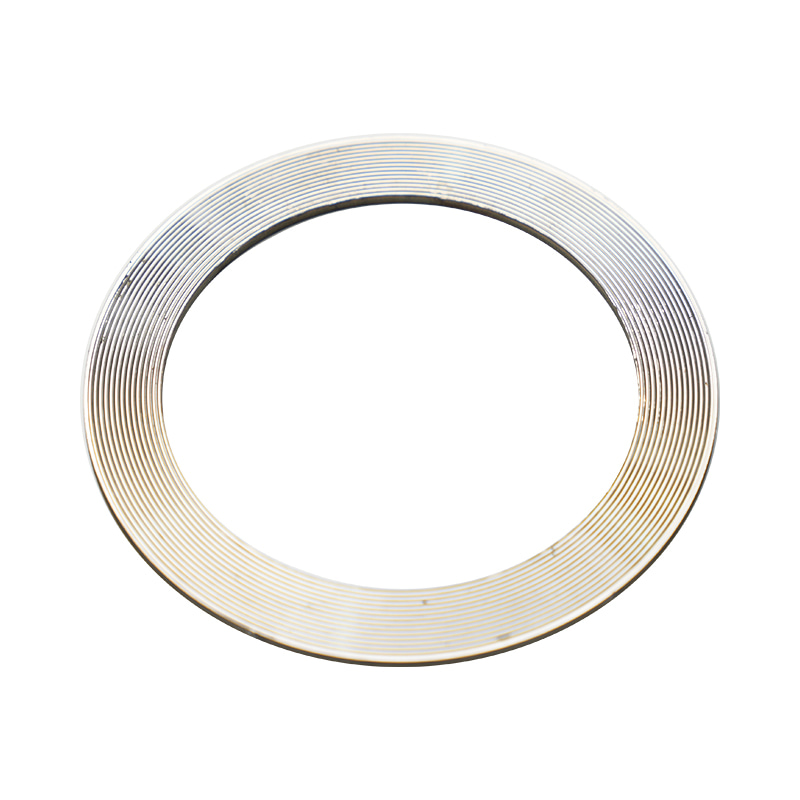
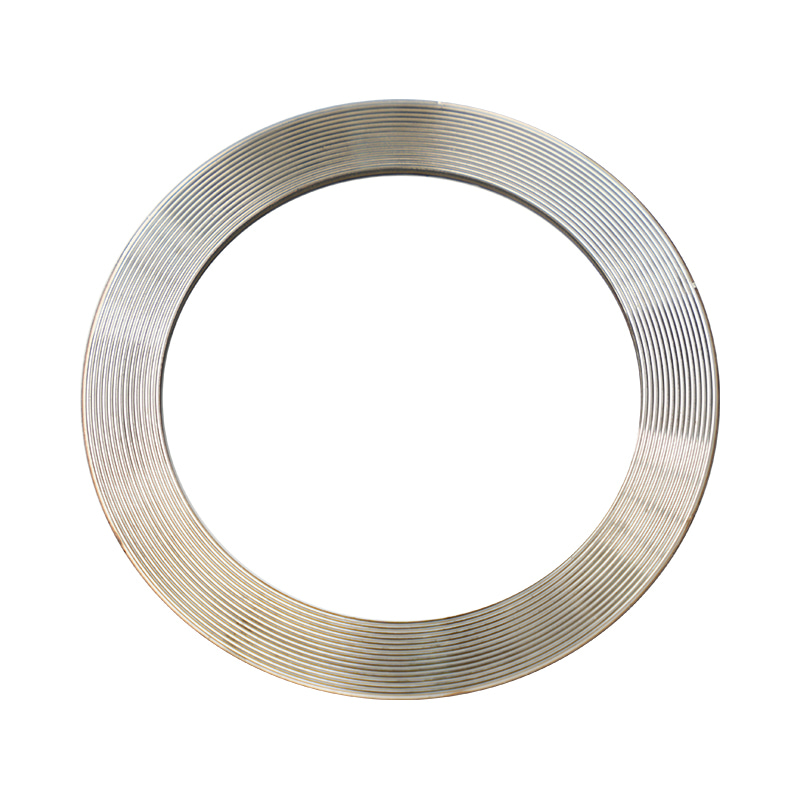
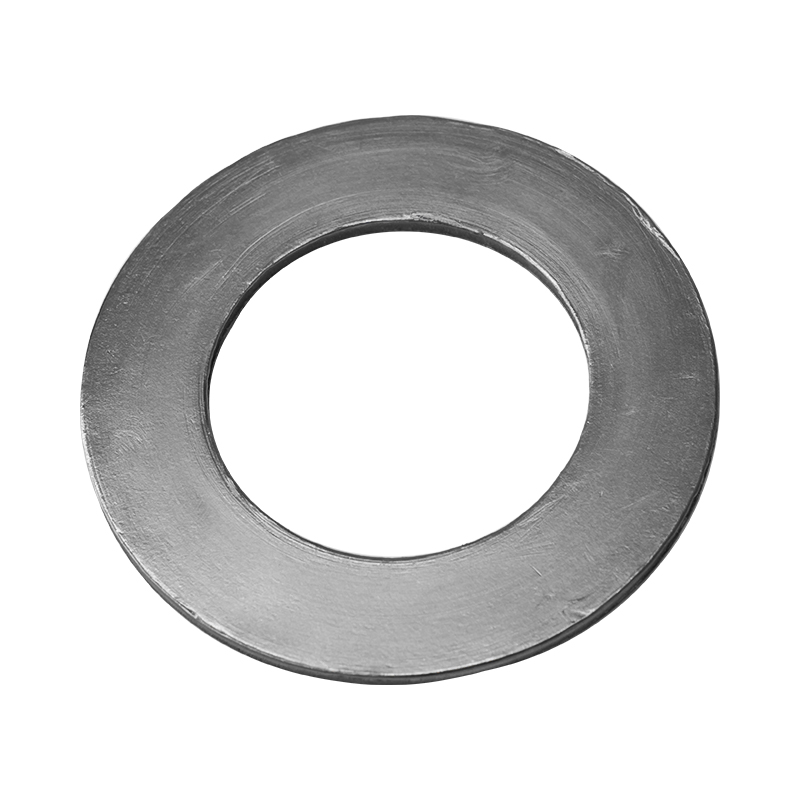
The fundamental question many technicians ask is: what is the difference between corrugated graphite gaskets and graphite sheets? A standard flexible graphite sheet is a homogenous material, excellent for conformability but limited in its ability to handle high bolt loads or thermal cycling. In contrast, a corrugated graphite gasket features a metallic core—usually stainless steel—that is chemically etched or mechanically corrugated into a "wavy" profile. This core is then laminated with high-purity graphite. This structural reinforcement allows the gasket to act like a spring, maintaining a seal even during flange rotation or vibration.
While sheets are easier to cut on-site, the corrugated design offers superior "spring-back" or recovery, making it far more resilient in dynamic piping systems.
| Technical Feature | Corrugated Graphite Gasket | Flexible Graphite Sheet |
| Mechanical Core | Stainless Steel (Corrugated profile) | None (May have foil insert) |
| Recovery (Spring-back) | High (Excellent for thermal cycles) | Low (Permanent deformation) |
| Blow-out Resistance | Superior (Metal core prevents migration) | Moderate (Prone to extrusion at high P) |
2. Performance Under Pressure and Temperature Extremes
When evaluating how to improve the sealability of corrugated graphite gaskets, engineers look at the surface stress concentration. The peaks of the corrugations create high-sealing stress areas with lower bolt torque. This is a critical factor for high pressure corrugated graphite gasket applications, such as in steam turbines or high-pressure heat exchangers. Jiangsu Jintai Sealing Technology Co., Ltd. ensures that our Nofstein products pass rigorous testing, including CCS classification society identification, to guarantee performance in these critical zones.
Standard sheets require higher initial bolt loads to reach the same level of sealability, which can lead to flange damage over repeated maintenance cycles.
| Condition | Corrugated Gasket Performance | Flexible Sheet Performance |
| Thermal Cycling | Maintains seal through expansion/contraction | High risk of leakage after cooling |
| Surface Irregularities | Compensates via graphite thickness & metal peaks | Requires very flat flange surfaces |
| Maximum Pressure | Up to 100+ bar (Depending on design) | Typically limited to lower pressure classes |
3. Long-Term Cost-Effectiveness: Beyond the Initial Price
One might ask, why are corrugated graphite gaskets preferred for steam systems? Steam systems are notorious for "thermal shock." While a corrugated graphite gasket has a higher initial purchase price than a simple sheet, its "Total Cost of Ownership" (TCO) is lower. It reduces the frequency of gasket replacements and minimizes unplanned downtime. Our professional foreign trade group at Jintai Sealing has observed that clients in the iron, steel, and chemical sectors report significantly longer service intervals when switching to Nofstein's corrugated designs.
Chemical and Environmental Compatibility
For those investigating is a corrugated graphite gasket chemical resistant, the answer is found in the graphite purity. Both gaskets use expanded graphite, which is resistant to almost all media (pH 0-14, excluding strong oxidizers). However, the metal core in the corrugated version provides an extra layer of protection against "leaching" or material erosion in high-velocity fluid streams.
- Reduced Fugitive Emissions: The concentrated stress at the corrugation peaks ensures a tighter seal to meet environmental standards like the CiT test.
- Safety in Shipping: CCS identification ensures these seals withstand the constant vibration of marine engines.
- Material Efficiency: Nofstein adopts advanced manufacturing processes to maximize material yield and environmental protection.
4. Technical Best Practices for Installation
A frequent query from the field is: how to install a corrugated graphite gasket correctly? Unlike standard sheets, corrugated gaskets are sensitive to over-compression. If the corrugations are completely flattened, the spring-back effect is lost. It is essential to use calibrated torque wrenches and follow a multi-stage tightening pattern. Understanding what is the maximum temperature for a corrugated graphite gasket is also vital; while the graphite can withstand 450°C in oxidizing atmospheres (and much higher in inert ones), the metal core's limits must also be considered.
Frequently Asked Questions (FAQ)
1. Are corrugated graphite gaskets reusable?
Generally, no. For high-pressure industrial applications, gaskets should be replaced once the flange is opened to ensure a fresh seal. However, their long service life means you replace them far less often than standard sheets.
2. Can these gaskets handle uneven or pitted flanges?
Yes. The graphite layers on the corrugated graphite gasket flow into surface pits, while the metal core provides the structural "push" to maintain contact in uneven areas.
3. Are they suitable for asbestos-free requirements?
Absolutely. Jiangsu Jintai Sealing Technology Co., Ltd. specializes in environment-friendly asbestos-free gaskets. Graphite is the industry standard for high-temperature, asbestos-free sealing.
4. Do I need to use a sealant or grease during installation?
No. Graphite is naturally self-lubricating and conformable. Using additional sealants can actually interfere with the graphite's ability to bond with the flange surface.
5. What sizes are available for Nofstein corrugated gaskets?
We can manufacture to all major standards (ASME, DIN, JIS) and provide custom designs up to large diameters in our Sealing Technology Industrial Park.
Industry References
- ASME B16.21: Nonmetallic Flat Gaskets for Pipe Flanges.
- FSA-G-604: Standard Test Method for Gasket Material Recovery.
- China Classification Society (CCS): Rules for Classification of Sea-Going Steel Ships.
- Technical Research Archives: Jiangsu Jintai Sealing Technology Co., Ltd. (2004-2025).

 Home
Home +86 152 4020 4398
 zdjt004@jsjtmf.vip
 No.2 Xingyuan East Road, Yuanzhu Town Industrial Park, Taixing City, Jiangsu Province, China
Copyright © 2024. Jiangsu Jintai Sealing Technology Co., Ltd. All rights reserved. Custom Sealing Gaskets, Sealing Packing, Rubber Products
