Picking the wrong gasket on a high-pressure flange does not fail quietly — it fails as a leak, a shutdown, or worse. Comparing a corrugated metal gasket against a spiral wound gasket on structure, recovery, and installation demands settles the question before the flange is ever bolted together.
01Structure: Corrugated Waves vs Spiral Layers
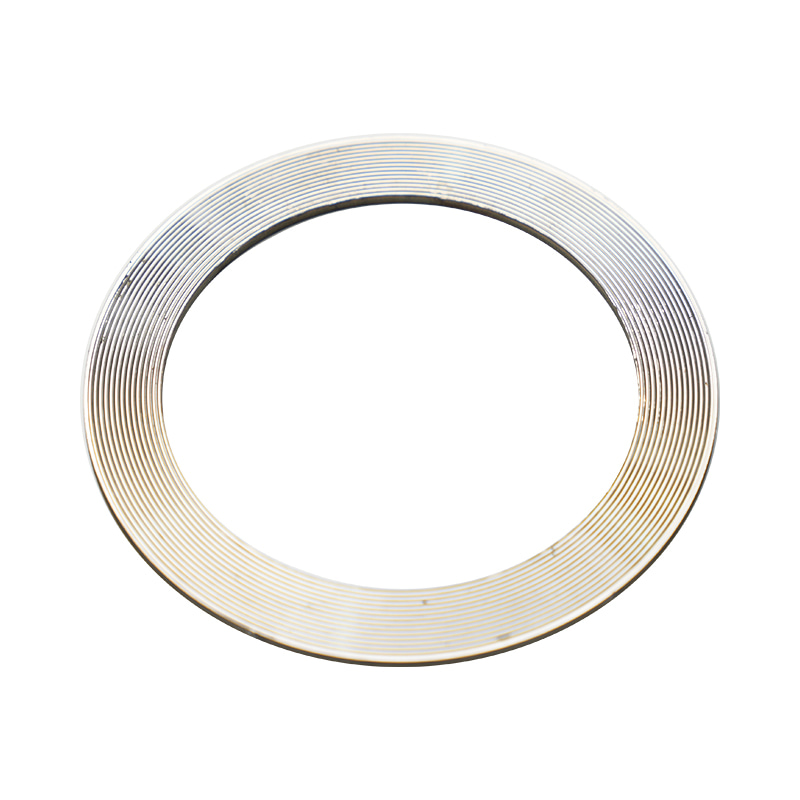
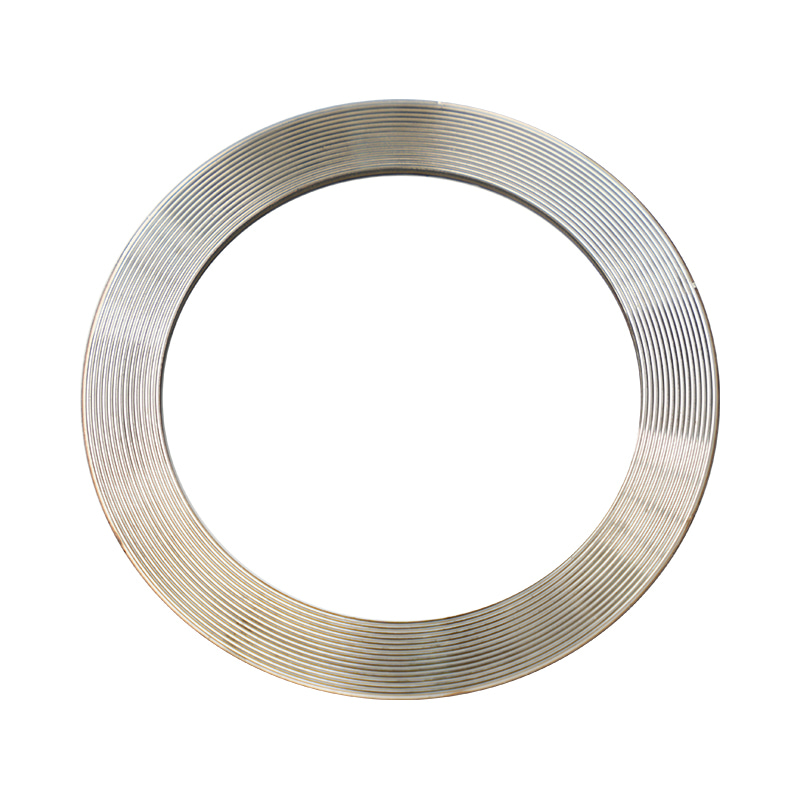
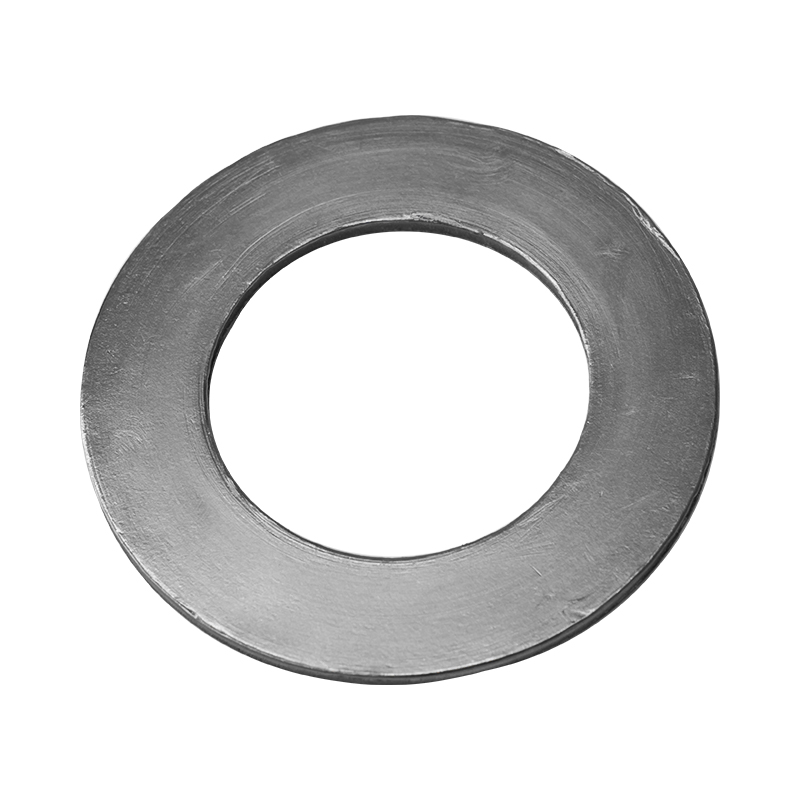
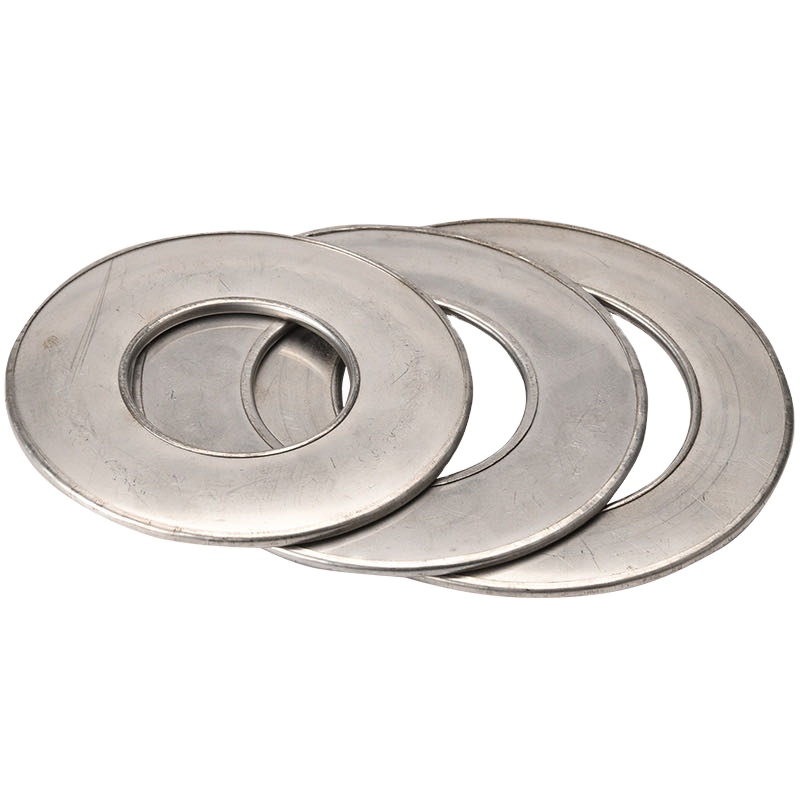
A corrugated metal gasket is built from a single metal core pressed into concentric corrugated waves, which act like small springs to distribute load evenly across the sealing face. A spiral wound gasket instead winds alternating layers of metal strip and soft filler — commonly graphite or PTFE — into a continuous spiral, combining metallic strength with a compressible sealing layer.
A gasket's sealing capability is defined less by material grade and more by how consistently it maintains contact stress as the flange heats, cools, and shifts under load.
02Sealing Performance Under Pressure and Heat
The corrugated metal gasket seals through direct metal-to-flange contact, which holds up well across repeated thermal cycling and suits large, flat sealing surfaces such as heat exchanger channels. A spiral wound gasket seals primarily through compression of its filler material, backed by the metal windings, giving it stronger recovery when pressure spikes or drops suddenly.
High Corrugated gasket load uniformity
Very High Spiral wound recovery after pressure swings
Excellent Both types under sustained high temperature
03Compression, Recovery, and Flange Movement
Corrugations behave as controlled springs, letting the gasket compensate for minor flange unevenness and thermal expansion without losing seal integrity. Spiral wound gaskets take this further with strong resilience, springing back after pressure fluctuations more reliably than a solid corrugated profile, which is why they dominate systems with frequent pressure cycling.
- Corrugated metal gasket: stable compression, ideal for steady operating pressure
- Spiral wound gasket: high resilience, ideal for pressure that rises and falls often
- Corrugated metal gasket: simpler single-material construction, fewer supply variables
- Spiral wound gasket: metal plus filler combination tuned for chemical exposure
04Installation and Long-Term Maintenance
Installing a corrugated metal gasket is comparatively straightforward: align the gasket, tighten bolts evenly, confirm flange surface condition, and the job is largely done. Spiral wound gaskets demand careful centering and controlled compression during installation, since uneven torque can crush the filler unevenly and undercut sealing performance from day one.
| Feature |
Corrugated Metal Gasket |
Spiral Wound Gasket |
| Structure |
Corrugated metal profile |
Spiral metal and filler layers |
| Recovery Ability |
Good |
Excellent |
| Installation Complexity |
Lower |
Higher |
| Leakage Control |
Good |
Excellent |
| Common Applications |
Heat exchangers, pressure vessels |
Pipelines, refineries, chemical plants |
05Which Gasket Fits Your Application
Choose a corrugated metal gasket when the priority is strong metallic sealing on large, flat surfaces like heat exchangers, where temperature cycles are steady rather than sudden. Choose a spiral wound gasket for pipelines, refineries, and chemical systems where pressure fluctuates and recovery after each cycle matters more than raw simplicity.
For steady-state heat exchangers and pressure vessels, a corrugated metal gasket delivers reliable sealing with simpler installation. For fluctuating pipelines and critical chemical process lines, a spiral wound gasket's recovery performance justifies the extra installation care.
Frequently Asked Questions
Which gasket handles thermal cycling better?
Corrugated metal gaskets perform reliably under repeated thermal cycling thanks to their spring-like corrugated profile, making them a strong fit for heat exchangers and similar equipment.
Is a spiral wound gasket better for high-pressure pipelines?
Yes. The combination of metal winding and compressible filler gives spiral wound gaskets excellent recovery and leakage control under high and fluctuating pressure, which is why refineries and petrochemical plants rely on them.
Are corrugated metal gaskets easier to install?
Generally yes. Corrugated metal gaskets require straightforward alignment and even bolt tightening, while spiral wound gaskets need careful centering and controlled compression to avoid uneven filler crushing.
Can either gasket type handle corrosive chemicals?
Both can, provided the metal and filler materials are matched to the specific fluid. Spiral wound gaskets offer more filler options such as graphite or PTFE, giving added flexibility for aggressive chemical exposure.



 Eng
Eng 
 русский
 Home / News / Industry News / Corrugated Metal Gasket vs Spiral Wound Gasket: Key Differences Explained
  2026.08.05
 Industry News

 Home
Home +86 152 4020 4398
 zdjt004@jsjtmf.vip
 No.2 Xingyuan East Road, Yuanzhu Town Industrial Park, Taixing City, Jiangsu Province, China
