


 Eng
Eng 
 русский

Gland Packing: What It Is, Why It's Used & How It Works
 2026.05.18
 Industry News
Article Directory
- 1 What Gland Packing Is — Construction and Core Concept
- 2 Why Gland Packing Is Used — Applications and Advantages
- 3 What Does a Packing Gland Do — Mechanical Function Explained
- 4 Gland Packing Material Types and Selection
- 5 How to Install Gland Packing Correctly
- 6 Gland Packing vs Mechanical Seal — Choosing the Right Sealing Solution
What Is Gland Packing?
Why Is It Used?
What Does It Do?
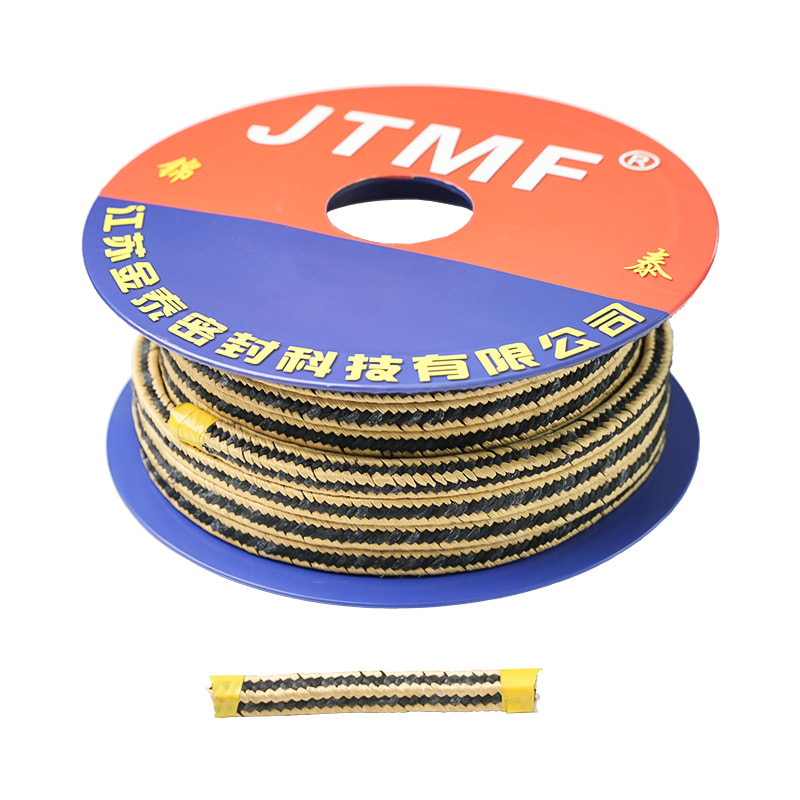
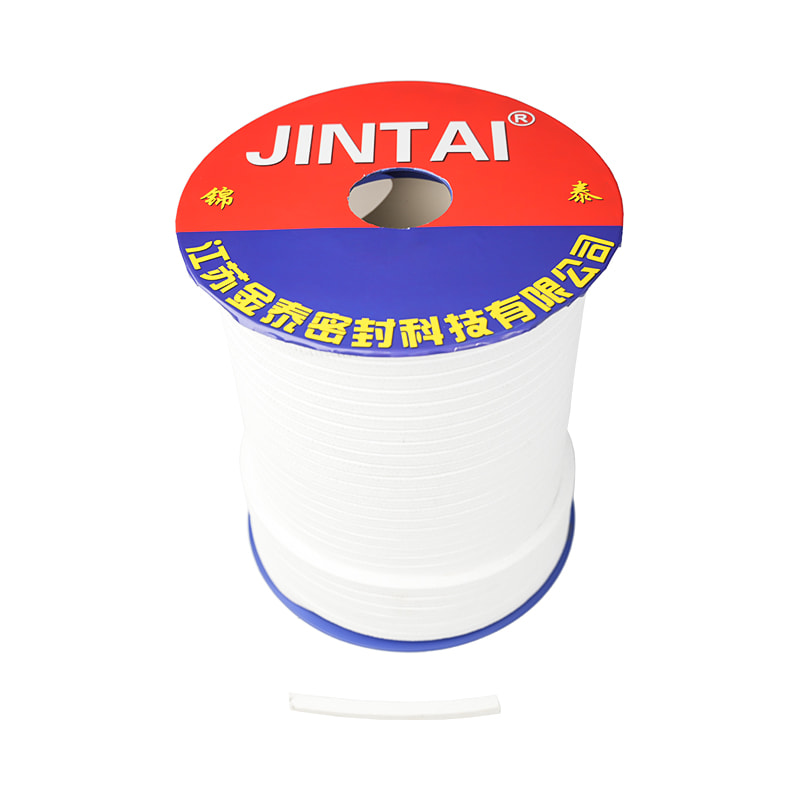
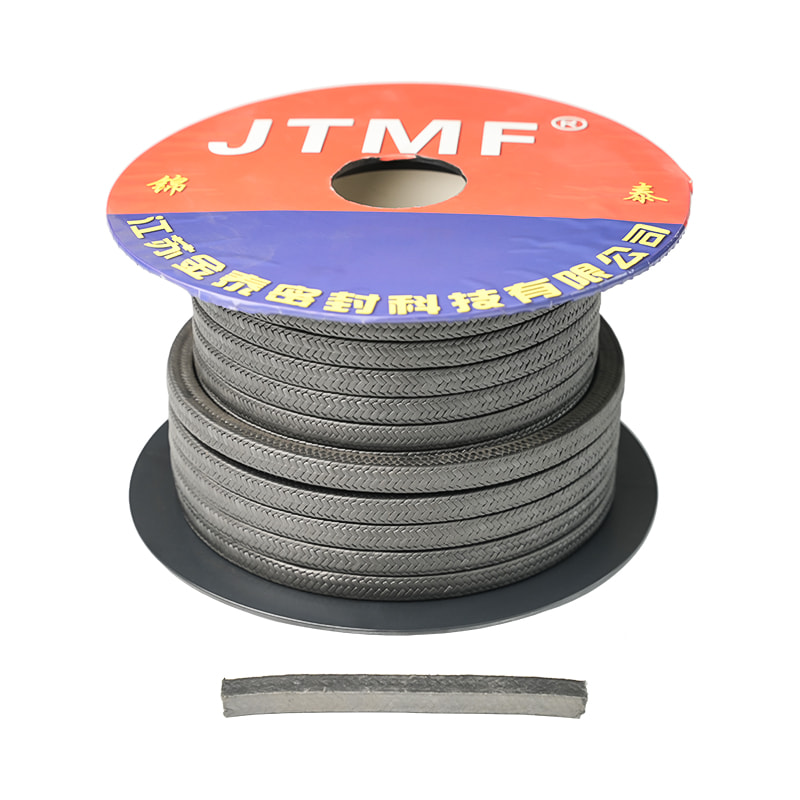
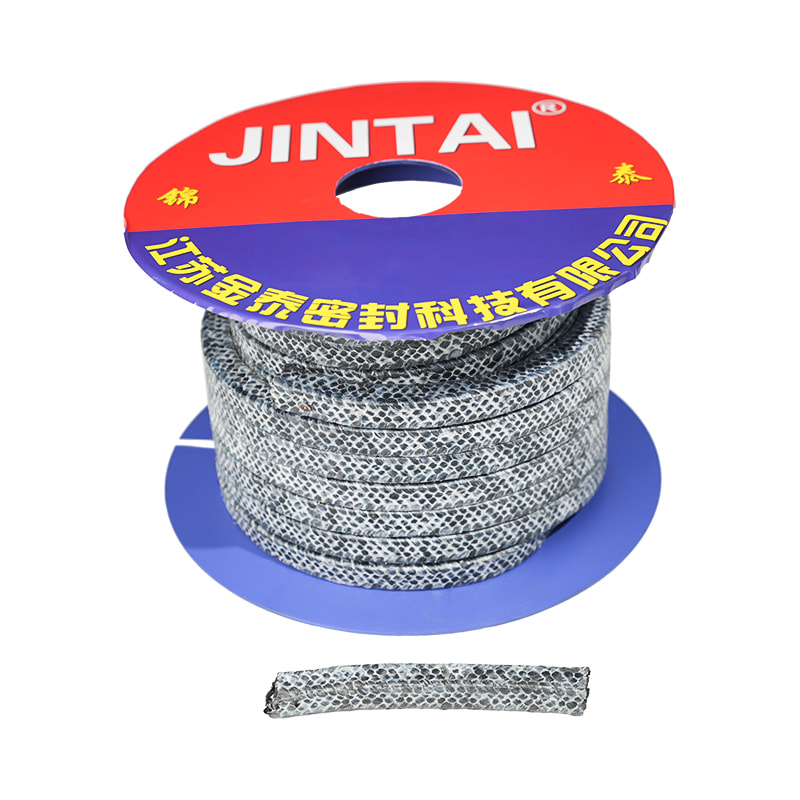
Gland packing is a soft, compressible sealing material — braided, twisted, or formed into rope-like rings — that is packed into the stuffing box of a pump, valve, or rotating shaft to prevent fluid from leaking along the shaft to atmosphere. It is used because it provides an adjustable, field-serviceable seal that accommodates shaft movement, misalignment, and surface imperfection without requiring precision machined components. What it does is create a controlled barrier: compressed by a gland follower, the packing material conforms tightly to both the shaft surface and the stuffing box bore, reducing leakage to a controlled drip that lubricates the packing and prolongs its life.
What Gland Packing Is — Construction and Core Concept
Gland packing operates on a simple mechanical principle: a flexible, deformable material pressed radially against a rotating or reciprocating shaft creates a sealing interface that limits fluid escape. The term "gland" refers to the mechanical assembly — the stuffing box, the packing rings inside it, and the gland follower (gland nut or gland plate) that compresses the packing. The term "packing" refers to the sealing material itself.
The sealing mechanism works as follows: when the gland follower is tightened, it applies axial compressive force to the stack of packing rings. Because the packing material is softer than both the shaft and the stuffing box wall, this axial compression causes the packing to expand radially inward (against the shaft) and outward (against the bore), creating a sealing contact on all surfaces simultaneously. The key characteristic that distinguishes gland packing from other sealing methods is its controlled leakage design — a correctly adjusted gland packing does not achieve zero leakage. Instead, it is adjusted to allow a small, deliberate drip rate that flushes heat away from the packing and shaft interface and maintains a thin lubricating film between the packing fibres and the rotating shaft surface.
The accepted drip rate for a correctly adjusted centrifugal pump gland packing is 40–60 drops per minute — approximately 3–5 mL per minute — which is enough to provide cooling and lubrication without constituting a wasteful or environmentally problematic leak. If a gland is tightened to zero drip, the packing runs hot, the shaft surface wears rapidly, and the packing itself carbonises and hardens within hours of operation.
Why Gland Packing Is Used — Applications and Advantages
Gland packing remains in widespread use despite the development of more sophisticated sealing technologies (mechanical seals, lip seals, labyrinth seals) because it offers specific practical advantages in specific applications that newer technologies do not replicate:
01
Field adjustability: Gland packing can be re-adjusted and re-tensioned while the equipment is in service simply by tightening the gland nuts — no shutdown, no disassembly, no specialised tools. This is a critical advantage in continuous-process industries (chemical plants, power stations, water treatment facilities) where planned shutdowns are infrequent and emergency stops are costly.
02
Tolerance for shaft run-out and misalignment: Mechanical seals require shaft concentricity within 0.05–0.13 mm total indicated run-out (TIR) to function correctly. Gland packing tolerates run-out of 0.25–0.50 mm or greater, making it suitable for older equipment with worn bearings, agricultural pumps, irrigation equipment, and industrial machinery where precision shaft alignment is not maintained. Replacing mechanical seals on misaligned shafts results in rapid seal face failure — gland packing will simply adjust to the shaft movement.
03
Suitability for abrasive slurry service: Mechanical seal faces cannot tolerate hard abrasive particles between the seal faces without rapid face wear. In slurry pumps handling mining tailings, paper pulp, sand, or ore slurry, gland packing — particularly PTFE-impregnated packing with a lantern ring and flush water supply — remains the standard sealing method. The packing material wears in service but is easily replaced without precision fitting.
04
Low initial cost and simple replacement: A set of gland packing rings for a standard centrifugal pump costs £5–£50 depending on material and size. A mechanical seal for the same pump costs £50–£500 or more. For small irrigation pumps, portable water pumps, and low-duty industrial applications, the capital cost difference justifies gland packing selection. Replacement requires no lapping equipment, no seal face inspection tools, and no precision handling — a trained maintenance technician can re-pack a pump stuffing box in under 30 minutes.
05
High temperature and high pressure capability: Certain gland packing materials — graphite-impregnated braids, pure graphite expanded rings — operate continuously at temperatures up to 650°C and pressures above 300 bar in valve stem applications. No elastomeric mechanical seal material matches this range. High-temperature steam valves, high-pressure gate valves, and nuclear plant valve packing rely on graphite gland packing as the only practical sealing solution at extreme service conditions.
What Does a Packing Gland Do — Mechanical Function Explained
The packing gland (the assembly, not just the material) performs four simultaneous functions that together maintain the sealing system through the operational life of the equipment:
- Compresses the packing rings: The gland follower — a flanged ring or threaded nut that bears against the top ring of the packing stack — applies adjustable axial compression to the packing. This compression is the source of the radial sealing force. As the packing wears and compresses over time, the gland follower is periodically advanced (gland nuts tightened) to maintain the correct sealing pressure. The gland follower should be tightened in small increments (1/6 to 1/4 turn) allowing 15–20 minutes between adjustments for the packing to redistribute and the drip rate to stabilise.
- Maintains a controlled leakage path: The stuffing box is designed with a specific depth and bore diameter that determines the number and size of packing rings it accommodates. The geometry of the stuffing box — combined with the gland follower travel range — controls the compression ratio achievable with the installed packing. A stuffing box that allows the gland follower to be tightened until it is flush with or entering the bore is being over-compressed; the packing is then carrying excessive radial load, heating the shaft, and consuming packing life at an accelerated rate.
- Houses the lantern ring (quench ring) where applicable: In pumps handling hot fluids, volatile liquids, or abrasive slurries, a lantern ring — a slotted or grooved spacer ring — is positioned between the packing rings to allow an external fluid (flush water or quench fluid) to be injected into the centre of the packing stack. This injection cools the packing, provides clean lubricating fluid to the shaft interface, and — in slurry applications — prevents abrasive process fluid from migrating into the packing zone from the pump side. The lantern ring must align with the external fluid injection port in the stuffing box wall, which requires packing ring installation in a specific sequence.
- Provides a controlled wear surface for the shaft: The shaft sleeve — a hardened cylindrical sleeve fitted over the pump shaft in the stuffing box zone — provides a replaceable wear surface for the packing to run against. When packing is correctly adjusted, shaft sleeve wear is gradual and predictable. A shaft sleeve running under correct gland packing typically lasts 12,000–25,000 operating hours before requiring replacement. Shaft sleeves are significantly less expensive than replacing the shaft itself, which is why the renewable sleeve design is used universally in industrial pump construction.
Gland Packing Material Types and Selection
The performance of a gland packing installation is determined primarily by the material selected for the service conditions. Selecting the wrong packing material is the leading cause of premature packing failure, shaft sleeve wear, and excessive leakage in industrial pump applications.
| Material | Max Temp (°C) | Max Pressure (bar) | Fluid Compatibility | Primary Use |
|---|---|---|---|---|
| PTFE (virgin or filled) | 260 | 200 | Near-universal chemical resistance | Chemical pumps, valves, food processing |
| Expanded graphite (die-formed) | 650 (oxidising), 3000+ (inert) | 300+ | Steam, hot water, hydrocarbons | Steam valves, power generation, refinery |
| Graphite-impregnated braided | 450 | 250 | Steam, water, hydrocarbons, mild acids | Industrial pumps and valves, general service |
| Acrylic fibre (PTFE-impregnated) | 120 | 30 | Water, sea water, mild chemicals | Marine, irrigation, water utilities |
| Aramid / Kevlar (corner rings) | 280 | 150 | Abrasive slurries, acids | Slurry pumps, mining, paper mills |
| Carbon fibre braided | 400 | 200 | Hydrocarbons, hot water, steam | Refinery, petrochemical, power plant |
| GFO (Gore fibre over braid) | 280 | 100 | Broad chemical, abrasive service | Versatile industrial and process pump |
For most general industrial pump applications handling water, cooling water, or light process fluids below 120°C, a PTFE-impregnated braided acrylic or pure PTFE packing is the cost-effective standard. For steam valve applications — the most demanding service in terms of temperature and the highest consequence of leakage — die-formed expanded graphite rings are the industry benchmark, specified by valve manufacturers including Flowserve, Crane, and Velan as the primary packing material for Class 600 and above steam valves.
How to Install Gland Packing Correctly
Incorrect packing installation is responsible for more packing failures and shaft sleeve damage than packing material selection errors. The following installation sequence applies to centrifugal pump stuffing boxes and represents standard industry practice:
- Remove the old packing completely: Use a packing hook or extractor to remove all old packing rings individually. Never leave partial rings in the stuffing box — compressed residual packing hardens and creates a hard backing that causes the new packing to load unevenly, producing hot spots on the shaft. Clean the stuffing box bore and shaft sleeve thoroughly; any debris or hardened residue will cause premature wear on the new installation.
- Measure and cut new rings to exact length: Wrap a strip of the packing material once around the shaft at the correct diameter, cut to give a butt joint with zero gap (not an overlap). Do not cut rings off the coil by eye or by counting turns — length error of more than 3% causes either a gap (leak path) or an overlap (localised pressure concentration that cuts the shaft). Use a mandrel of the same diameter as the shaft sleeve for cutting if the shaft is inaccessible.
- Install rings one at a time with staggered joints: Insert each ring individually, seating it firmly to the bottom of the stuffing box with a split bushing or tamping tool before inserting the next ring. Stagger each ring's butt joint by 90 degrees from the previous ring (for a four-ring set: joints at 12, 3, 6, and 9 o'clock positions). Staggered joints prevent a straight leakage path forming through the packing stack.
- Position the lantern ring correctly: Where a lantern ring is specified, install the correct number of packing rings behind it (toward the pump impeller) first, then the lantern ring, then the remaining rings. Confirm the lantern ring is centred over the flush port in the stuffing box wall before tightening the gland follower — a misaligned lantern ring blocks the flush water supply and causes the inboard packing to run dry and overheat.
- Tighten the gland follower to finger-tight plus one flat: At initial assembly, tighten the gland nuts to finger-tight then advance by one nut flat (approximately 1/6 turn). Start the pump and observe the drip rate. Allow 15–20 minutes of operation for the packing to bed in and the drip rate to stabilise before making any adjustment. The target drip rate is 40–60 drops per minute. If drip rate is excessive, advance the gland nuts by 1/6 turn and wait another 15 minutes. Do not tighten to zero drip — zero drip means the packing is in full contact with no lubrication, generating heat and wear immediately.
Gland Packing vs Mechanical Seal — Choosing the Right Sealing Solution
The choice between gland packing and a mechanical seal is not a quality comparison — it is an application match. Each technology has a defined performance envelope and a set of conditions where it is the preferred solution. The decision matrix below summarises the key factors:
| Factor | Gland Packing | Mechanical Seal |
|---|---|---|
| Shaft run-out tolerance | High — up to 0.5 mm TIR | Low — max 0.05–0.13 mm TIR |
| Leakage to atmosphere | Controlled drip (3–5 mL/min) | Near-zero (under 0.1 mL/hr) |
| Initial cost | Low (£5–£50 per set) | Medium to high (£50–£1,000+) |
| Maintenance skill required | Low — adjustable in service | Medium — requires seal face handling skill |
| Abrasive slurry service | Suitable with flush water | Problematic — face wear accelerated |
| High temperature / pressure valves | Preferred (graphite packing) | Not applicable for valve stems |
| Hazardous / toxic fluids | Not recommended — drip to drain required | Preferred — near-zero emission |
| Power loss to friction | Higher — 1–3% of shaft power | Lower — 0.1–0.5% of shaft power |
In applications involving toxic, carcinogenic, or volatile organic compounds — where any atmospheric leakage is unacceptable under environmental regulations such as the EU Industrial Emissions Directive or US EPA LDAR (Leak Detection and Repair) requirements — mechanical seals or bellows seals are mandatory and gland packing is not a permissible alternative. In all other applications, the choice depends on the practical factors above rather than a general preference for one technology over the other.

 Home
Home +86 152 4020 4398
 zdjt004@jsjtmf.vip
 No.2 Xingyuan East Road, Yuanzhu Town Industrial Park, Taixing City, Jiangsu Province, China
Copyright © 2024. Jiangsu Jintai Sealing Technology Co., Ltd. All rights reserved. Custom Sealing Gaskets, Sealing Packing, Rubber Products
