


 Eng
Eng 
 русский
 Home / News / Industry News / Professional Guide to Gland Packing: Materials, Design, and Maintenance
 Professional Guide to Gland Packing: Materials, Design, and Maintenance
 2026.05.15
 Industry News
Article Directory
gland packing is a fundamental mechanical seal used in rotating and reciprocating equipment to manage fluid containment. Unlike mechanical seals that aim for zero leakage, gland packing is designed for controlled leakage. This specific design allows a small amount of process fluid to pass between the packing and the shaft, which acts as a vital lubricant and cooling agent. Without this minimal leak (typically 10-12 drops per minute), friction-generated heat would rapidly destroy both the packing material and the expensive shaft or sleeve.
What is Gland Packing Made From?
The selection of gland packing materials is a critical engineering decision based on the "STAMPS" criteria: Size, Temperature, Application, Media, Pressure, and Speed. Modern industrial requirements have evolved beyond natural fibers into advanced composite materials.
Synthetic Yarn & Aramid
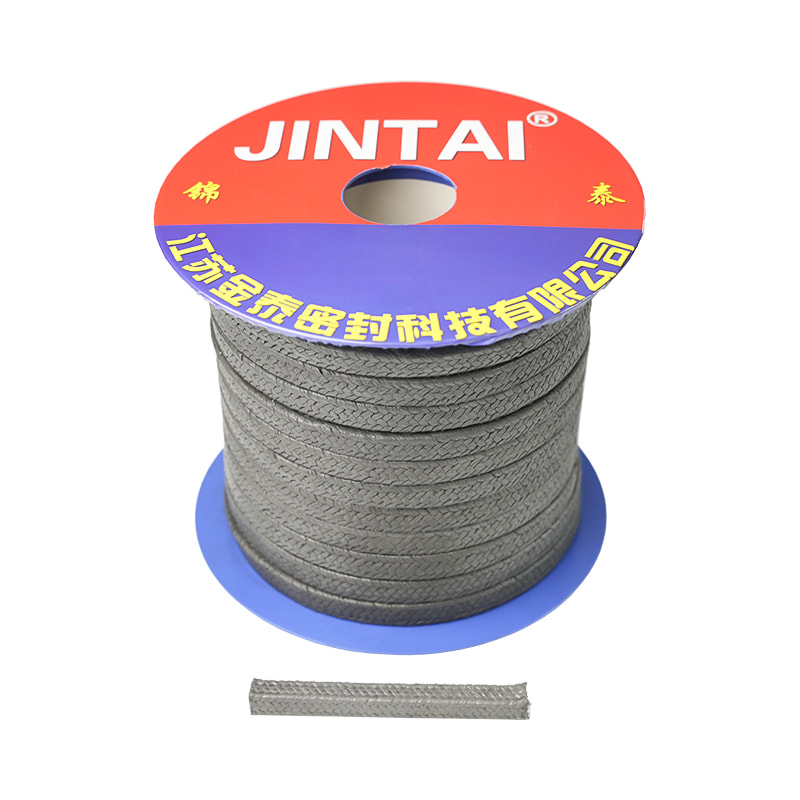
Aramid fibers, such as Kevlar, are utilized for their immense structural integrity. These are the preferred choice for abrasive slurries in mining or paper pulp processing. They offer high tensile strength but must be used with hardened sleeves (at least 450 BHN) to prevent abrasive wear on the shaft.
Expanded Graphite
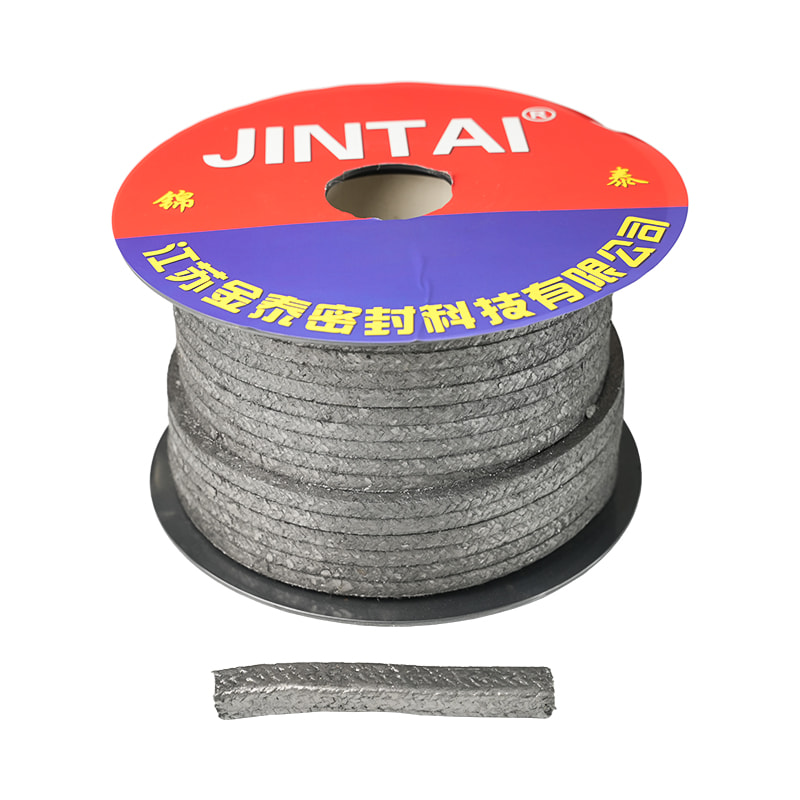
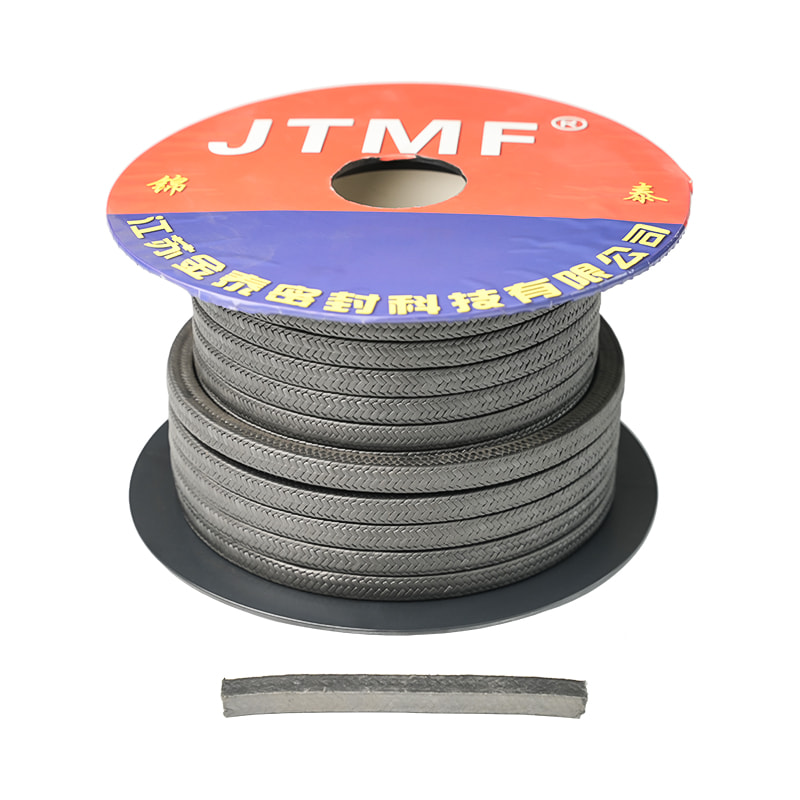
Composed of high-purity carbon, expanded graphite is ideal for high-temperature steam and chemical services. It has excellent thermal conductivity (drawing heat away from the shaft) and is chemically inert across the 0-14 pH range (excluding strong oxidizers).
PTFE & ePTFE
Polytetrafluoroethylene (PTFE) is used where chemical resistance is paramount, such as in food processing or pharmaceutical manufacturing. Expanded PTFE (ePTFE) with embedded graphite provides better heat dissipation while maintaining chemical immunity.
Anatomy of a Packing Gland Assembly
To visualize a packing gland, imagine a "stuffing box" built into the pump casing. It is not just a single piece of rope but a sophisticated assembly of components working in unison.
| Component Name | Physical Appearance & Function |
| Stuffing Box | A deep, cylindrical cavity surrounding the shaft. It acts as the housing for the packing rings. |
| Lantern Ring | A H-shaped or perforated metal/plastic ring placed in the middle of the packing stack. It provides a port for external flush water to lubricate the center rings. |
| Gland Follower | A metal flange or "pusher" that sits at the entrance of the stuffing box. It is the primary interface for manual adjustment. |
| Gland Bolts/Studs | Heavy-duty threaded rods on either side of the follower used to apply even compressive force. |
The Precision Process of Tightening a Packing Gland
Tightening gland packing is an iterative process. Over-tightening is the most common cause of premature failure. Follow these industrial standards for optimal performance:
1. Initial Installation and Seating
After cutting the rings (preferably at a 45-degree angle) and staggering the joints by 90 degrees, seat each ring individually using a tamping tool. Once the box is full, tighten the gland nuts until the follower makes firm contact with the packing.
2. The "Break-in" Period
Start the pump with the gland nuts only finger-tight. There should be a steady stream of leakage initially. This is essential to prevent the packing from "glazing" (burning) due to initial friction. Let the pump run for 10-15 minutes.
3. Incremental Tightening
Tighten each nut evenly by one "flat" (1/6 of a turn). Wait 10 minutes between adjustments. The goal is to reach a steady drip rate that keeps the packing and shaft cool to the touch. If the stuffing box becomes too hot to touch comfortably, the gland is too tight and must be backed off immediately.
Troubleshooting Common Gland Issues
- Excessive Leakage: Often caused by worn shaft sleeves or "bottomed out" glands where no further compression is possible.
- Rapid Packing Wear: Usually indicates the lantern ring is misaligned with the flush port, starving the center of the packing of lubrication.
- Shaft Scoring: Caused by using a packing material that is too hard for the shaft metallurgy or failure to maintain the required flush pressure.

 Home
Home +86 152 4020 4398
 zdjt004@jsjtmf.vip
 No.2 Xingyuan East Road, Yuanzhu Town Industrial Park, Taixing City, Jiangsu Province, China
Copyright © 2024. Jiangsu Jintai Sealing Technology Co., Ltd. All rights reserved. Custom Sealing Gaskets, Sealing Packing, Rubber Products
