


 Eng
Eng 
 русский
 Home / News / Industry News / How to Choose Corrugated Gaskets for Sealing Performance in Industrial, Automotive and Pipeline Applications
 How to Choose Corrugated Gaskets for Sealing Performance in Industrial, Automotive and Pipeline Applications
 2026.07.03
 Industry News
Article Directory
Sealing reliability in a pipeline flange, heat exchanger, or pressure vessel often comes down to a single component: the gasket. Corrugated Gaskets are engineered to combine the resilience of a metal core with the conformability of a soft facing layer, allowing them to seal against surface irregularities while resisting the compressive loads of high-pressure bolted joints. For engineers specifying sealing systems across oil and gas, chemical processing, and power generation, understanding how corrugation type, facing material, and installation practice interact is essential to avoiding leak paths and unplanned downtime.
01
Types of Corrugated Gaskets
Corrugated gaskets vary by core metal and facing material, and each combination is suited to a different pressure, temperature, and chemical exposure profile.
Core Type
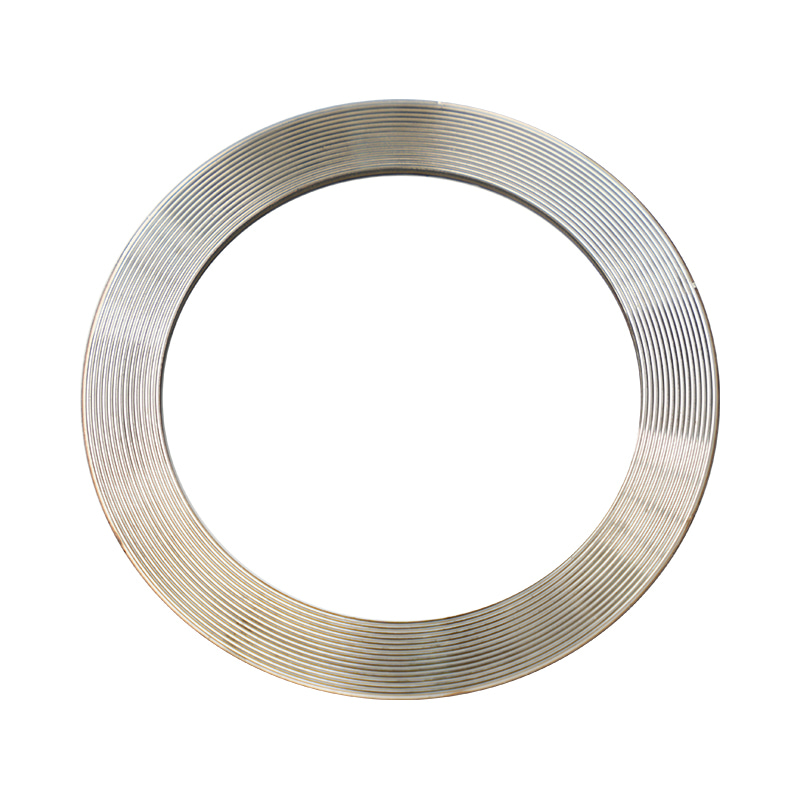
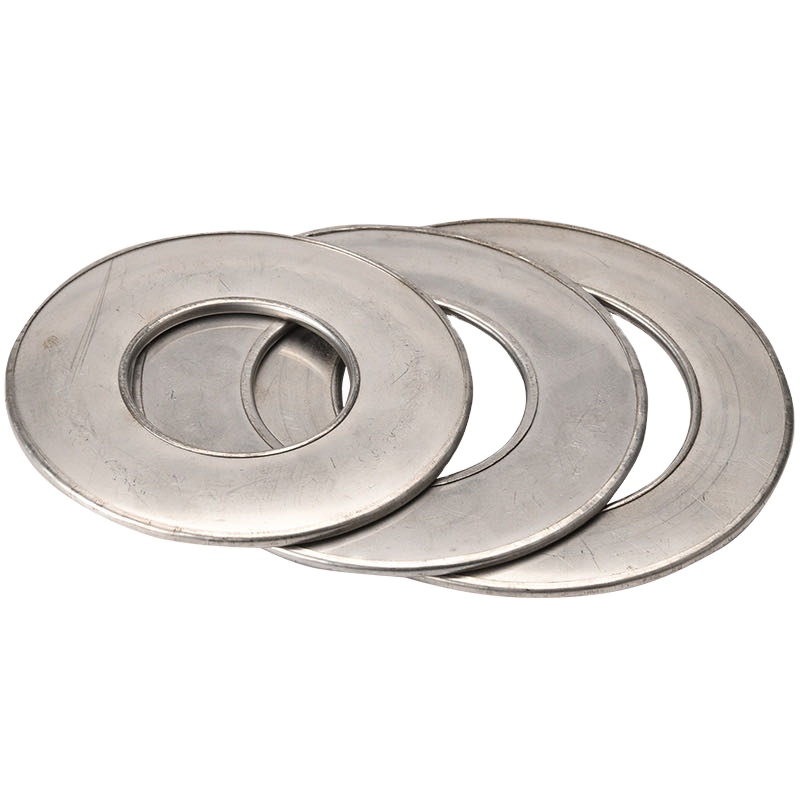
Metal Corrugated Gasket
A wave-form metal core, typically without a soft facing, used where high mechanical strength and recovery under load are the priority.
Facing Option
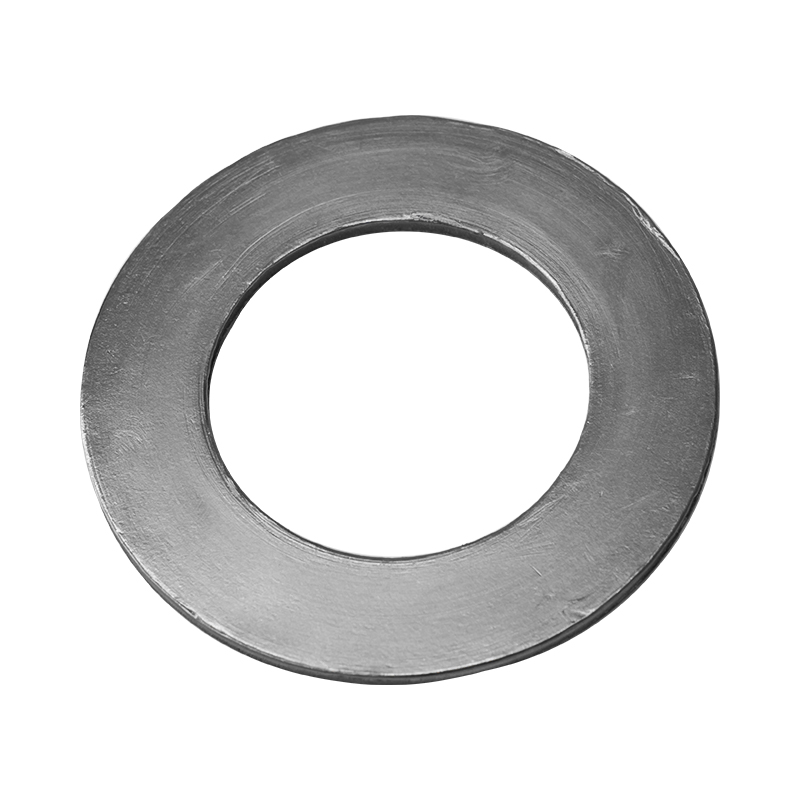
Graphite Corrugated Gasket
Pairs a corrugated metal core with graphite facing layers, improving conformability and sealing at lower bolt loads than bare metal designs.
Material Grade
Stainless Steel Corrugated Gasket
Offers strong corrosion resistance for chemical and marine-adjacent environments, commonly specified where process fluids are aggressive.
Comparison
Spiral Wound Gasket Alternative
Corrugated designs are often evaluated against spiral wound gaskets, offering a different balance of compressibility, cost, and recovery characteristics.
For high-temperature service, gasket selection also depends on the facing material's thermal rating. A high temperature gasket built around a corrugated metal core with graphite facing can maintain sealing integrity across a wide operating range, provided the flange and bolting are rated to match.
| Gasket Type | Core / Facing | Typical Use Case |
|---|---|---|
| Metal Corrugated Gasket | Bare metal core | High strength, moderate temperature joints |
| Graphite Corrugated Gasket | Metal core + graphite facing | High temperature, lower bolt load systems |
| Stainless Steel Corrugated Gasket | Stainless core | Corrosive chemical process environments |
02
Applications of Corrugated Gaskets
Corrugated gaskets are specified wherever bolted joints need to seal against pressure, temperature cycling, or flange surface imperfections.
Pipeline
Pipeline Flange Sealing
Bolted flange joints along transmission and process pipelines rely on corrugated gaskets to maintain a seal through pressure and thermal cycling.
Chemical
Chemical Processing Equipment
Reactors, columns, and piping in chemical plants require gaskets compatible with aggressive media and consistent recovery under repeated thermal cycles.
Oil & Gas
Oil and Gas Systems
Upstream and midstream equipment uses corrugated gaskets at flange connections where pressure ratings and leak prevention are critical.
Power
Power Plant Sealing Systems
Steam lines and turbine-adjacent piping benefit from gaskets rated for high temperature and thermal cycling stability.
Heat Transfer
Industrial Heat Exchangers
Heat exchanger flanges combine thermal cycling with tight space constraints, favoring gaskets with strong recovery characteristics.
03
Key Performance Properties Buyers Should Evaluate
Compression
Resistance to permanent deformation under bolt load
Thermal
Stability across the system's operating temperature range
Corrosion
Material resistance to the specific process media
Recovery
Ability to maintain seal as bolt load relaxes over time
Compression Resistance
A gasket's ability to resist compression set determines whether it maintains sealing contact as bolt tension naturally relaxes over the joint's service life. Corrugated metal cores are chosen in part for their resistance to permanent deformation compared to fully compressible soft gasket materials.
Thermal Stability
Facing material and core metal both need to be rated for the system's full temperature range, including any startup or upset conditions that may briefly exceed normal operating temperature.
Corrosion Resistance
The core and facing materials should be compatible with the specific process fluid, since corrosion at the gasket can compromise sealing long before the surrounding piping shows visible wear.
Sealing Recovery Performance
Recovery describes how well a gasket springs back to maintain contact pressure as the joint experiences thermal expansion, vibration, or minor flange movement during operation.
- Confirm compression and recovery ratings match the joint's expected bolt load range
- Verify facing material compatibility with process temperature and chemical exposure
- Review corrosion resistance data specific to the process fluid, not general ratings
- Ask for recommended torque values alongside gasket performance specifications
04
Installation and Maintenance Considerations
Even a correctly specified gasket can leak if installation practices are inconsistent. The following factors most commonly affect field sealing performance.
Step 01
Flange Alignment
Verify flange faces are parallel and free of debris before positioning the gasket, since misalignment concentrates stress unevenly across the sealing surface.
Step 02
Torque Tightening
Follow a proper bolt tightening sequence and torque value, tightening gradually in stages rather than fully torquing bolts in sequence around the flange.
Step 03
Surface Finish Check
Flange surface finish should match the gasket manufacturer's specification, since a surface that is too smooth or too rough can both compromise sealing.
Step 04
Replacement Cycle
Establish a replacement schedule based on service conditions rather than reusing gaskets indefinitely, particularly in high-temperature or cyclic-load systems.
05
FAQ
What are corrugated gaskets?
Corrugated gaskets are sealing components with a wave-form metal core, sometimes paired with a soft facing layer, designed to seal bolted flange joints under pressure and temperature.
What are corrugated metal gaskets used for?
They are used at flange connections in pipelines, chemical processing equipment, oil and gas systems, and heat exchangers where reliable sealing under pressure and thermal cycling is required.
Are corrugated gaskets reusable?
Generally not recommended for reuse after removal, since compression and recovery properties degrade once the gasket has been loaded and released.
What is the difference between corrugated and spiral wound gaskets?
Corrugated gaskets use a wave-form metal core, while spiral wound gaskets are built from alternating layers of metal winding and filler material, giving each design a different compressibility and recovery profile.
Can corrugated gaskets handle high temperature?
Yes, particularly graphite-faced designs, though the specific temperature rating depends on the facing material and core metal selected for the application.
How can gasket leakage in pipelines be prevented?
Correct flange alignment, proper torque sequencing, matching surface finish requirements, and following a defined replacement cycle all reduce the risk of leakage.
Selecting the right corrugated gasket means balancing core and facing material against the system's pressure, temperature, and chemical exposure profile, then reinforcing that selection with correct installation practice. A well-specified gasket that is poorly installed can still leak, just as a well-installed gasket that is mismatched to process conditions will eventually fail. Sealing reliability comes from getting both sides of that equation right.

 Home
Home +86 152 4020 4398
 zdjt004@jsjtmf.vip
 No.2 Xingyuan East Road, Yuanzhu Town Industrial Park, Taixing City, Jiangsu Province, China
Copyright © 2024. Jiangsu Jintai Sealing Technology Co., Ltd. All rights reserved. Custom Sealing Gaskets, Sealing Packing, Rubber Products
