Industrial sealing demands precision, durability, and reliability across extreme environments. The corrugated metal gasket represents one of the most trusted solutions in petrochemical plants, power generation facilities, and oil and gas operations worldwide. Unlike elastomer-based alternatives, a corrugated metal gasket delivers exceptional performance in high-temperature and high-pressure applications where conventional seals fail. This comprehensive guide explores how to select, evaluate, and deploy corrugated metal gaskets for your industrial flange systems.
What is a Corrugated Metal Gasket and How Does It Work in Sealing Systems?
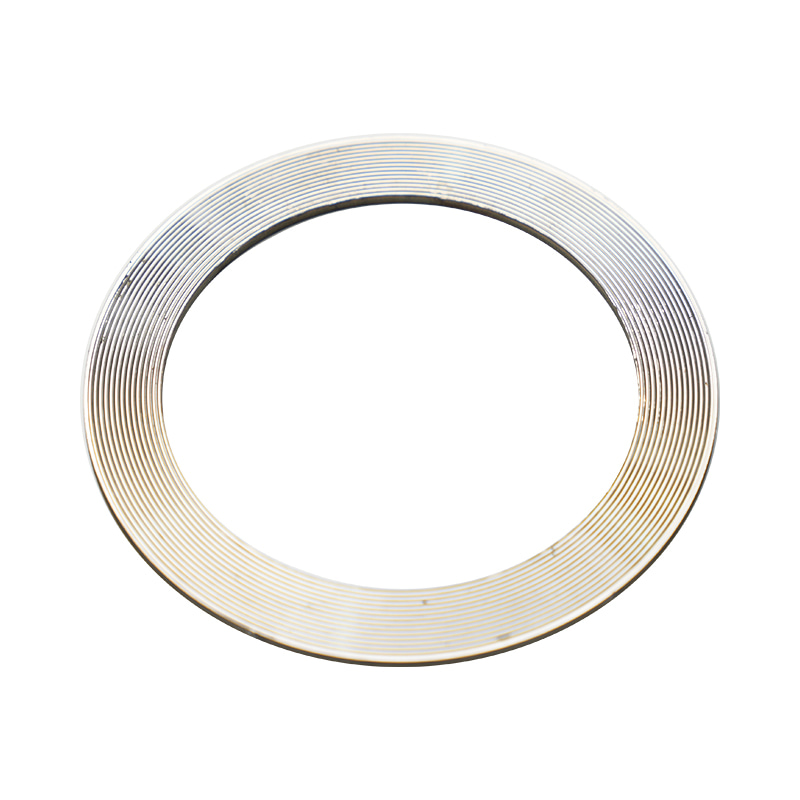
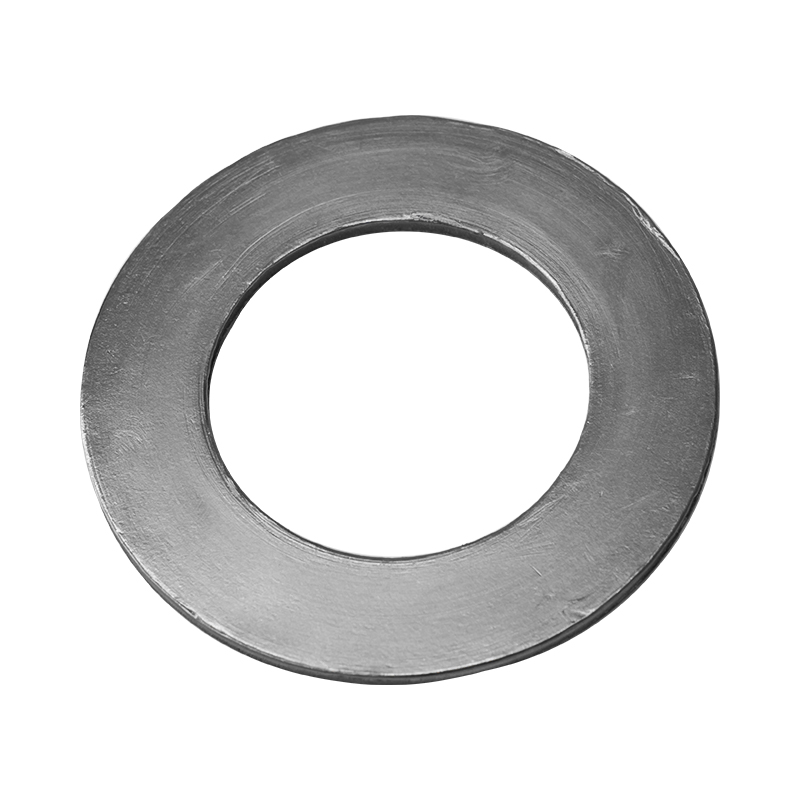
A corrugated metal gasket is a thin, precisely engineered metallic sealing component designed for use in industrial flanged connections. The term "corrugated" refers to the wavy, undulating surface pattern that characterizes these gaskets—a distinctive feature that defines their structural and functional properties.
Technical Definition: A corrugated metal gasket is a metallic sealing device manufactured from stainless steel, mild steel, or specialty alloys, featuring a series of parallel corrugations that allow for mechanical compression and recovery. The corrugated surface pattern enables the gasket to distribute load evenly across the flange interface, creating a leak-proof seal in high-pressure and high-temperature environments.
The sealing mechanism operates through three fundamental principles. First, the corrugated ridges provide contact points that conform to minor irregularities in flange surfaces. Second, the corrugations create a mechanical structure that resists permanent deformation, allowing the gasket to recover elasticity even after compression. Third, when two flanges compress the gasket, the corrugated waves flex and interlock with flange surface topography, forming a continuous seal barrier.
In contrast to rubber gaskets, which rely on elastomeric compression, a corrugated metal gasket maintains sealing integrity through metallic springback and elastic deformation. This fundamental difference explains why metallic sealing gaskets outperform rubber in high-temperature applications where elastomers degrade, creep, or lose resilience.
What Are the Main Types of Corrugated Metal Gaskets?
The industrial sealing market offers several variants of corrugated gaskets, each engineered for specific operational requirements and environmental conditions.
Uncoated Stainless Steel Corrugated Gaskets
Pure stainless steel construction (typically 304 or 316 grade) provides excellent corrosion resistance and mechanical strength. These gaskets excel in chemical plants, refineries, and marine applications where corrosive media contact the flange system directly.
Graphite-Coated Metal Gaskets
A thin graphite coating applied to corrugated metal substrates enhances sealing performance at elevated temperatures. Graphite improves conformability and reduces flange surface sensitivity, making these gaskets ideal for steam systems and power plant heat exchangers.
Serrated Metal Sealing Gaskets
Featuring sharper, more pronounced surface ridges than standard corrugations, serrated gaskets bite into flange surfaces and provide superior sealing performance in applications with rough or damaged flange faces.
Composite Metal Gaskets
These hybrid designs combine metal outer rings with elastomer or graphite sealing faces, offering the structural rigidity of metal with the conformability of rubber. They represent a middle ground between pure metal and pure elastomer solutions.
Comparison: Spiral Wound Gaskets vs. Corrugated Metal Gaskets
While both are metallic gaskets, their design philosophies and performance characteristics differ significantly:
| Construction |
Nested metal and elastomer tape layers |
Single corrugated metal sheet, optionally coated |
| Flange Sensitivity |
Moderate |
High (requires smooth surfaces) |
| Temperature Range |
-200°C to +600°C |
-100°C to +800°C |
| Installation Ease |
Moderate difficulty |
Requires precision alignment |
| Cost |
Moderate |
Higher initial cost |
| Reusability |
Limited |
Moderate (with flange refinishing) |
Where Are Corrugated Metal Gaskets Commonly Used?
Industrial applications for corrugated metal gaskets span multiple high-stakes sectors where sealing failures carry severe operational and safety consequences.
Petrochemical Piping Systems
Refineries deploy corrugated metal gaskets throughout hydrocarbon piping networks, distillation columns, and fractionation equipment. The gaskets withstand aggressive chemical media, fluctuating pressures, and temperatures exceeding 400°C in catalytic crackers and cokers.
Power Generation Heat Exchangers
Thermal power plants rely on corrugated metal sealing gaskets in superheater connections, economizer tubes, and steam system flanges. These systems operate at sustained pressures of 100+ bar with steam temperatures reaching 600°C, pushing sealing materials to their limits.
Oil and Gas Pipeline Infrastructure
Subsea production systems, topside processing modules, and high-pressure transmission pipelines depend on the corrosion resistance and mechanical stability that corrugated metal gaskets provide. Offshore environments introduce additional challenges: seawater corrosion, pressure cycling, and thermal shock.
Boiler and Steam Equipment
Industrial boilers generating superheated steam demand gaskets capable of maintaining seals under prolonged thermal stress. Corrugated metal gaskets are the industry standard for drum connections, tube plate flanges, and header assemblies.
Industrial Compressor Systems
Reciprocating and rotary compressor cylinders compress gases to extreme pressures (up to 300 bar) while generating heat. Corrugated metal sealing gaskets in compressor flange connections must resist both mechanical loading and thermal cycling.
What Performance Properties Should a Corrugated Metal Gasket Provide?
Selecting the right corrugated metal gasket requires understanding the critical performance attributes that determine operational success.
How Are Corrugated Metal Gaskets Manufactured?
Manufacturing corrugated metal gaskets demands precision machinery, strict quality control, and engineering expertise to produce components meeting ASME B16.21 and other international standards.
1
Metal Stamping and Corrugation
The manufacturing process begins with high-strength stainless steel coils (typically 0.5–2.5 mm thick). Progressive stamping dies form the characteristic corrugated profile—parallel waves with precise depth and pitch. Multi-stage stamping ensures uniform corrugation geometry across the entire gasket blank.
2
Precision Die Cutting
Laser cutting or precision die punches shape the corrugated blank into the required outer diameter and inner bore diameter. Custom gasket geometries accommodate specific flange configurations and bolt hole patterns. Cutting tolerances typically maintain ±0.2 mm accuracy.
3
Coating and Surface Treatment
For graphite-coated variants, a thin graphite layer (15–50 microns) is applied via spray, electrodeposition, or lamination processes. The coating enhances sealing performance at elevated temperatures and reduces sensitivity to flange surface roughness. Surface finishing operations smooth edges and remove burrs.
4
Quality Inspection and Testing
Each corrugated metal gasket undergoes dimensional verification, thickness measurement, and hardness testing. Helium leak testing confirms seal integrity on high-specification applications. Batch certifications document material composition, mechanical properties, and traceability.
How Do Corrugated Metal Gaskets Compare with Rubber and Spiral Wound Gaskets?
Understanding the advantages and limitations of different gasket technologies enables engineers to optimize sealing solutions for specific operational conditions.
Metal vs. Rubber Gasket Comparison
Rubber Gaskets: Strengths
- Excellent conformability to flange irregularities
- Lower installation cost
- Forgiving of flange surface imperfections
- Easy removal and replacement
Rubber Gaskets: Limitations
- Temperature limited to ~150–200°C continuous exposure
- Chemical degradation from aggressive media
- Permanent set and relaxation over time
- Unsuitable for cryogenic applications
Corrugated Metal Gaskets: Strengths
- Exceptional high-temperature performance (600–800°C)
- Superior chemical and corrosion resistance
- Elastic recovery and minimal permanent set
- Suitable for extreme pressure cycling
Corrugated Metal Gaskets: Limitations
- Higher material and manufacturing cost
- Sensitivity to flange surface finish
- Requires precise installation alignment
- More difficult field removal
Decision Rule: Use rubber gaskets for low-temperature, low-pressure applications with forgiving flange conditions. Deploy corrugated metal gaskets in high-temperature, high-pressure systems where reliability supersedes cost considerations. Choose spiral wound gaskets when temperature and pressure demands exceed rubber capabilities but do not require the extreme performance of pure metal solutions.
What Are Common Problems or Limitations of Corrugated Metal Gaskets?
Despite their superior performance in demanding applications, corrugated metal gaskets present specific challenges that must be understood and managed during installation and operation.
Flange Surface Roughness Sensitivity
Unlike rubber gaskets that conform to surface irregularities, corrugated metal gaskets require smooth, well-finished flange faces. Surface finish requirements typically specify Ra 1.6–3.2 microns. Rough, damaged, or scored flange surfaces result in incomplete gasket compression and micro-leakage pathways.
Installation Alignment and Positioning
Misalignment between gasket bore diameter and flange bolt holes creates uneven compression. Improper centering causes localized stress concentrations and premature gasket failure. Field installation demands precision and care that exceeds typical rubber gasket procedures.
Limited Elasticity in Rigid Materials
While corrugated metal provides excellent elastic recovery compared to plastically deforming rubber, the material exhibits limited flexibility compared to elastomers. In applications with minor misalignment or thermal expansion differential, this rigidity can create edge lifting and loss of compression.
Surface Damage Risk During Assembly
The corrugated surface geometry creates sharp ridge peaks vulnerable to gouging or deformation during flange assembly. Improper handling, dropped bolt washers, or careless installation practices damage the delicate corrugation profile and compromise sealing performance permanently.
Higher Material and Manufacturing Cost
Premium stainless steel, precision manufacturing, and quality testing drive gasket costs significantly higher than rubber alternatives. For applications tolerating rubber seals, the cost premium of metal gaskets remains economically unjustifiable.
What Is the Future Trend of Corrugated Metal Gasket Technology?
The sealing industry continues advancing corrugated metal gasket technology through material innovations, manufacturing breakthroughs, and performance enhancements addressing emerging industrial demands.
Advanced Composite Sealing Materials
Next-generation gaskets combine corrugated metal substrates with advanced sealing faces—ceramic composites, polymer-matrix compounds, and nano-reinforced coatings. These hybrids improve sealing efficiency, reduce flange surface sensitivity, and extend service life in corrosive environments.
Nano-Coating Gasket Technology
Nanotechnology enables ultrathin protective coatings (10–100 nm) that enhance corrosion resistance without adding significant thickness or cost. Graphene-enhanced coatings, ceramic nano-layers, and atomic layer deposited (ALD) films represent emerging possibilities for superior sealing performance.
High-Performance Industrial Seal Development
Specialized alloys—super-duplex stainless steels, nickel-based superalloys, and titanium composites—extend gasket performance beyond traditional limits. These materials enable sealing solutions for deepwater subsea systems, concentrated solar thermal plants, and next-generation nuclear reactors.
Energy-Efficient Sealing System Design
Modern gasket engineering focuses on minimizing bolt preload requirements while maintaining reliable seals. Lower preload stresses reduce flange deformation, extend component life, and decrease installation labor. Corrugated metal gasket geometry optimization through computational fluid dynamics and finite element analysis drives these improvements.
Corrosion-Resistant Alloy Innovation
Development of enhanced stainless steel grades with superior pitting and crevice corrosion resistance addresses subsea and deepwater challenges. Alloyed materials with higher molybdenum and nitrogen content significantly improve performance in chloride-rich, anaerobic offshore environments.
Frequently Asked Questions About Corrugated Metal Gaskets
What is a corrugated metal gasket used for?
Corrugated metal gaskets seal flanged connections in industrial systems requiring high-temperature, high-pressure, or chemically aggressive environments. Primary applications include petrochemical plants, power generation facilities, oil and gas systems, boiler equipment, and industrial compressors. The gasket's corrugated surface provides the mechanical compliance and elastic recovery necessary to maintain leak-proof seals under extreme operating conditions where rubber gaskets fail.
Where are metal gaskets commonly used in industry?
Metal gaskets excel in petrochemical refineries (distillation columns, catalytic crackers, hydrotreating units), power plants (superheater connections, steam systems, heat exchangers), subsea production systems, pipeline transportation infrastructure, and high-pressure industrial compressors. Any application exceeding 200°C continuous temperature or 100 bar pressure typically benefits from corrugated metal gasket sealing solutions over elastomer alternatives.
Are corrugated metal gaskets reusable?
Corrugated metal gaskets offer moderate reusability advantages compared to one-time-use rubber gaskets, but they are not indefinitely reusable. After compression and flange separation, a metal gasket may be reinstalled if the flange faces are refinished to proper surface finish specifications and no permanent deformation exists. However, each reuse cycle introduces risk of gasket degradation. Industry best practice recommends replacing corrugated metal gaskets during critical maintenance rather than attempting reuse.
What is the difference between rubber and metal gaskets?
Rubber gaskets provide excellent conformability, lower cost, and easier installation but are limited to applications below approximately 150–200°C. Metal gaskets withstand temperatures exceeding 600°C, exhibit superior chemical resistance, and maintain sealing integrity over extended service life. Rubber gaskets undergo permanent set and relaxation over time; metal gaskets recover elastically. For low-temperature, low-pressure applications with forgiving flange conditions, rubber gaskets prove more economical. For extreme environments, corrugated metal gaskets are the superior choice.
Can corrugated metal gaskets handle high temperature?
Yes, corrugated metal gaskets manufactured from premium stainless steel, nickel alloys, or specialty materials maintain structural integrity and sealing performance at temperatures ranging from –100°C to +800°C. Superior performance at elevated temperatures represents a defining advantage over rubber and many elastomer-based sealing solutions. Metal gasket material selection and coating specification determine the specific upper temperature limit for each application.
How long do corrugated metal gaskets last?
Service life depends on operating conditions, material selection, and installation quality. In stable, moderate-severity applications, corrugated metal gaskets commonly provide 10+ years of reliable sealing. In extreme temperature cycling or harsh chemical environments, replacement may become necessary after 3–5 years. Proper flange preparation, careful installation, and periodic bolt re-tightening extend gasket service life significantly. Gasket degradation occurs gradually through corrosion, stress concentration, or thermal cycling damage rather than sudden failure.



 Eng
Eng 
 русский
 Home / News / Industry News / How to Choose Corrugated Metal Gaskets for High Temperature Sealing, Industrial Flange Systems and Pressure Applications
  2026.07.09
 Industry News

 Home
Home +86 152 4020 4398
 zdjt004@jsjtmf.vip
 No.2 Xingyuan East Road, Yuanzhu Town Industrial Park, Taixing City, Jiangsu Province, China
