Jiangsu Jintai Sealing Technology Co., Ltd. Home / News / Industry News / How to Choose the Right Corrugated Metal Gasket for Industrial Applications

How to Choose the Right Corrugated Metal Gasket for Industrial Applications

Jiangsu Jintai Sealing Technology Co., Ltd. 2026.07.23
Jiangsu Jintai Sealing Technology Co., Ltd. Industry News

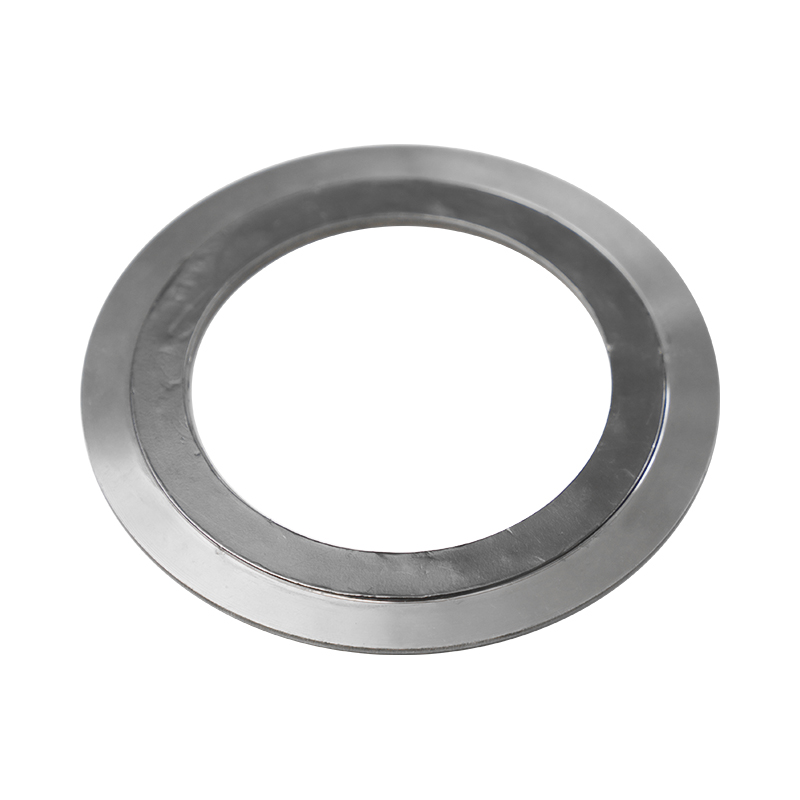
A flange leak at high temperature and pressure rarely comes from a bad flange — it comes from a gasket that could not keep up with thermal cycling and vibration. A corrugated metal gasket is built specifically for that environment, using a wave-formed metal core to keep sealing contact even as the flange expands and contracts.

Structure and Sealing Principle

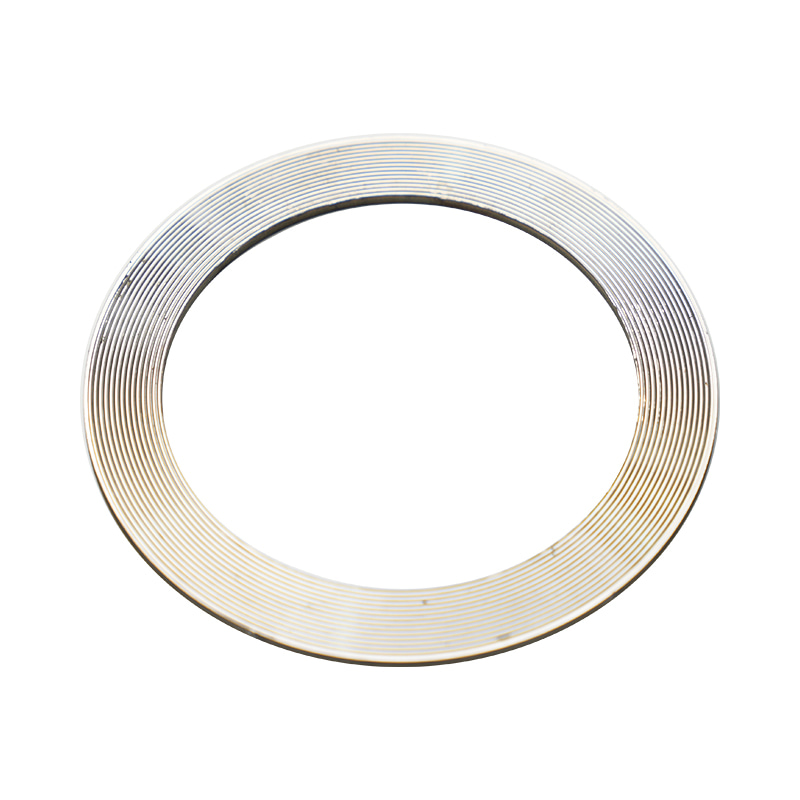
A corrugated metal gasket uses a thin metal core formed into concentric waves, which compress under bolt load to create multiple sealing contact lines rather than a single flat surface. Many designs add a soft filler layer to fill microscopic surface irregularities on the flange face.

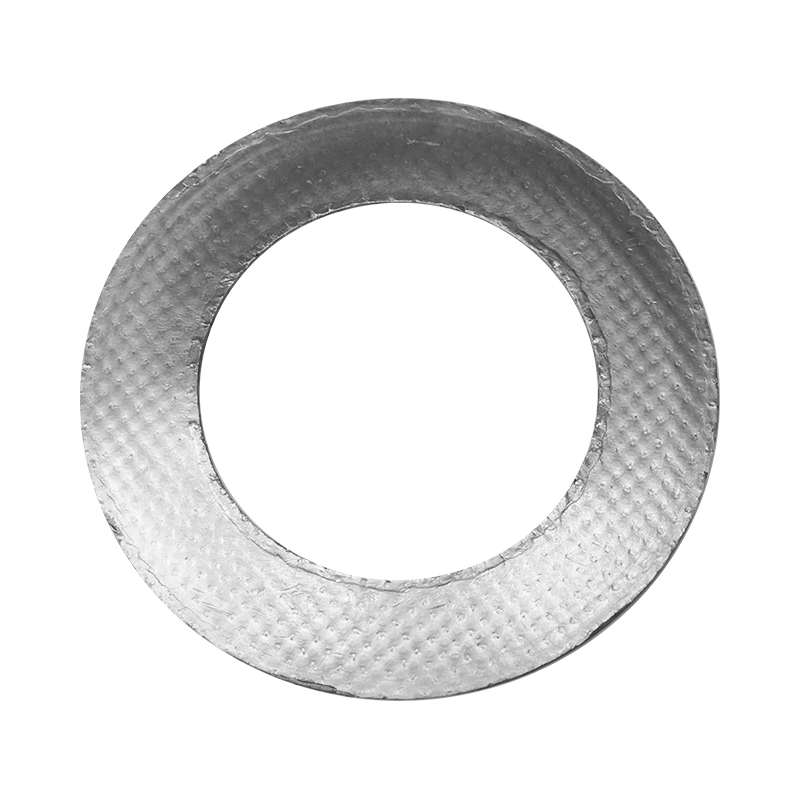
Filler layer (graphite or PTFE)
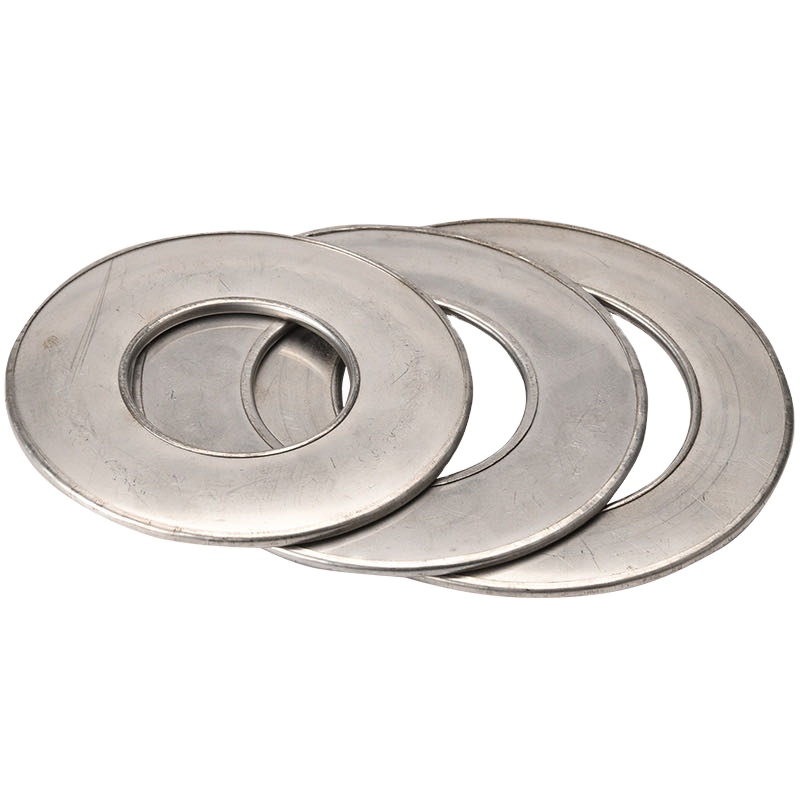
Corrugated metal core
Reinforcement layer (multi-layer designs)
Filler layer (graphite or PTFE)

This layered structure is what allows a corrugated metal gasket to hold a seal across repeated thermal cycles that would crack a rigid flat gasket or extrude a soft one.

Performance Ratings That Matter

800°C+high temperature rating
2500+ psipressure resistance
1-3typical layer count
10+ yrsservice life in flange service

Beyond raw temperature and pressure numbers, a well-specified corrugated metal gasket holds up under vibration and thermal cycling without losing bolt load, which is the failure mode that causes most in-service leaks long before the rated pressure is ever reached.

Material and Filler Options

Material Temperature Range Best Fit
Stainless steel Up to 800°C Chemical and corrosive media
Carbon steel Up to 400°C General industrial, non-corrosive service
Nickel alloy Up to 1000°C+ Extreme heat, power generation
Graphite/PTFE filler Application dependent Improved microsealing on rough flanges
Common corrugated metal gasket materials and filler combinations

Applications Across Industrial Equipment

Petrochemical and chemical processing

Handles corrosive media and high-pressure process lines reliably over long service intervals.

Power generation systems

Seals turbine and boiler flanges under sustained high temperature operation.

Heat exchangers and pressure vessels

Maintains sealing integrity across repeated thermal expansion cycles.

Oil and gas equipment

Provides dependable pipeline and flange sealing in demanding field conditions.

Corrugated vs Spiral Wound vs Rubber Gaskets

Gasket Type Temperature Typical Use
Corrugated metal High Thermal cycling, moderate flange finish
Spiral wound High Critical high pressure flanges
Rubber Low to moderate Low pressure, non-critical service
Comparing corrugated metal gaskets with common alternative sealing types

Frequently Asked Questions

What temperature can a corrugated metal gasket withstand?

Depending on the base metal, ratings typically range from around 400°C for carbon steel up to 1000°C or higher for nickel alloy constructions.

Does a corrugated metal gasket need a filler material?

Not always, but adding a graphite or PTFE filler layer improves microsealing on flange faces that are not perfectly smooth.

How is a corrugated metal gasket different from a spiral wound gasket?

Both handle high temperature and pressure well, but corrugated designs use a formed metal core while spiral wound gaskets wind metal and filler strips together, generally at higher cost for critical service flanges.

Can corrugated metal gaskets be custom made for specific flanges?

Yes, manufacturers routinely produce custom dimensions, materials, and filler combinations to match specific flange designs and process conditions.