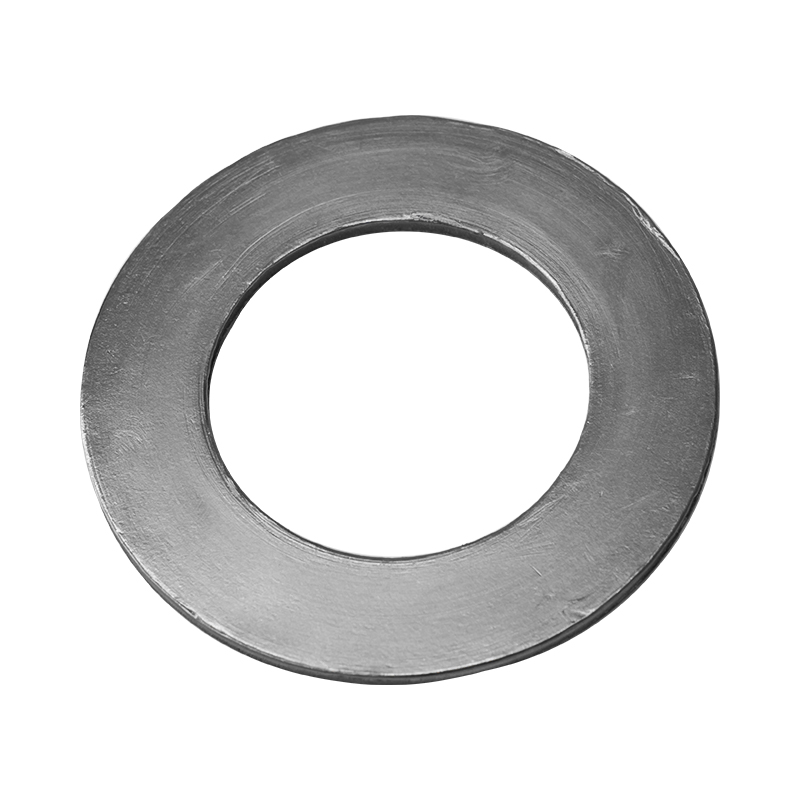
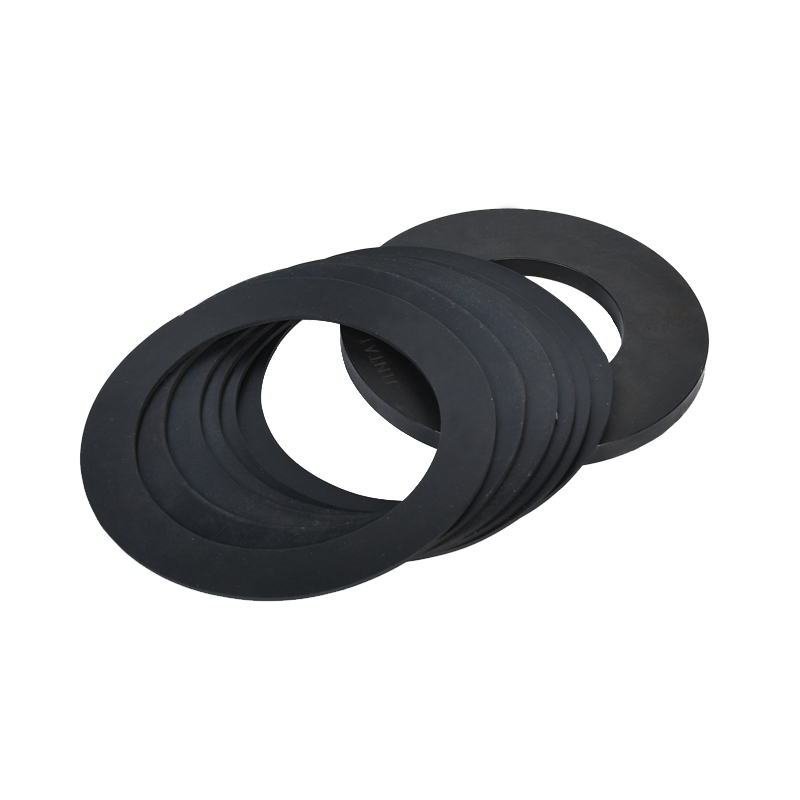
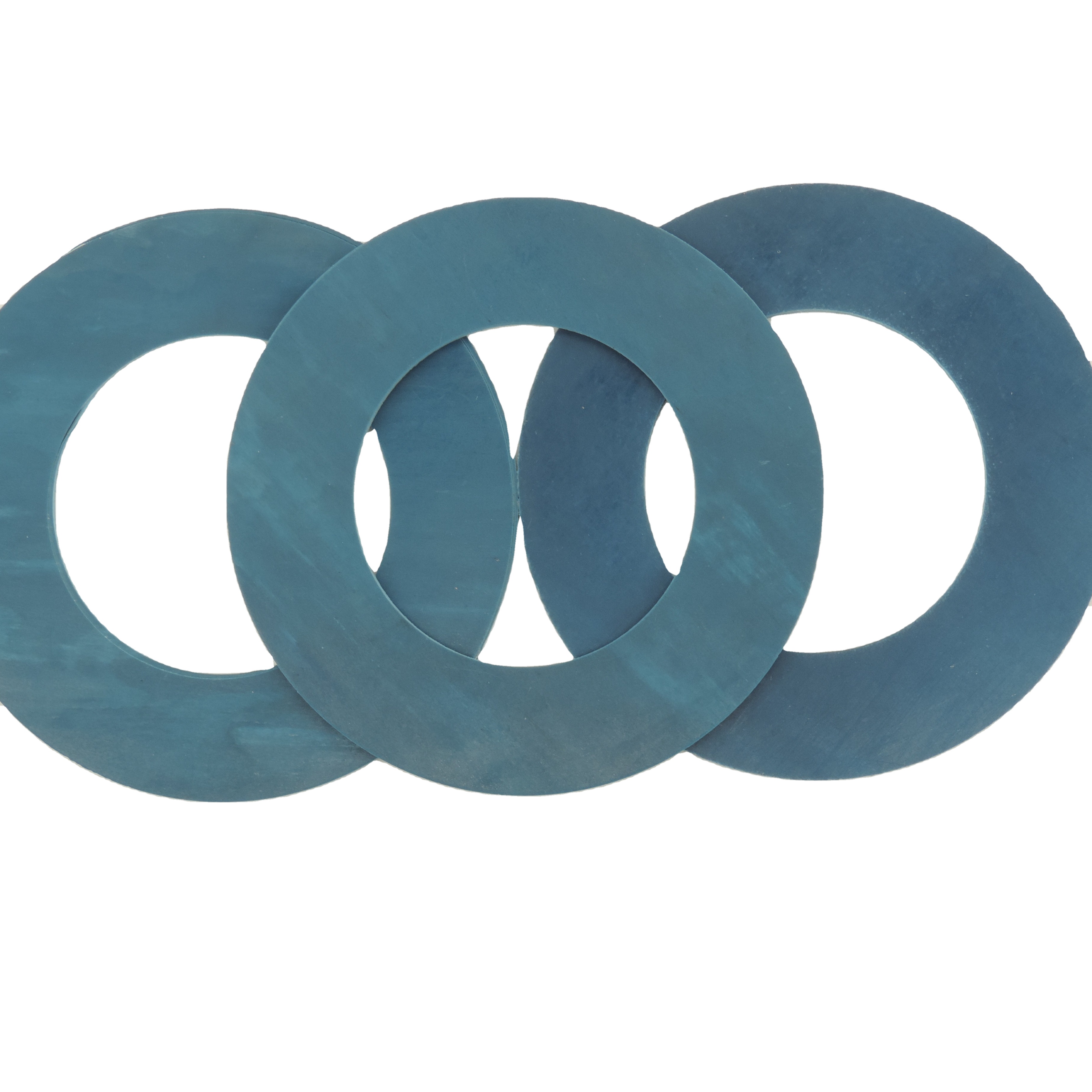
A corrugated metal gasket is a wave-formed metal sealing component built to survive conditions that destroy conventional soft gaskets: sustained heat above 400°C, cyclical pressure swings, and aggressive process chemicals. Its corrugated core flexes under bolt load, holding a tight seal even as flanges expand and contract during operation.
1000°Ctypical max service temperature for stainless steel cores
2xlonger service life vs. compressed soft gaskets in cyclic service
3layers in a standard design: metal core, sealing facing, coating
What a Corrugated Metal Gasket Actually Is
A corrugated metal gasket is a thin metal sheet, usually stainless steel, carbon steel, or a nickel alloy, formed into a repeating wave pattern and often paired with a graphite or soft-metal facing layer. The waves act like miniature springs: when the flange bolts are tightened, each ridge deforms slightly and pushes back, keeping constant contact pressure against both sealing faces.
This spring-like behavior is the core difference from flat soft gaskets, which rely on the bulk compression of a single soft material and lose sealing force once that material relaxes or extrudes under heat.
Why Sealing Failures Are So Costly
A single leaking flange can force an unplanned shutdown, and unplanned downtime in continuous-process industries routinely runs into tens of thousands of dollars per hour once lost production, cleanup, and safety response are counted. Reliable gaskets address three operational priorities at once:
- Worker and site safety — preventing uncontrolled release of hot fluids, steam, or hazardous chemicals.
- Production continuity — avoiding the unplanned shutdowns that a failed seal triggers.
- Lifecycle cost control — fewer replacements mean less scheduled maintenance and less scrap material.
How the Corrugated Design Performs Under Load
During installation, bolting force compresses the corrugated ridges, which deform elastically and generate distributed sealing pressure across the entire gasket face rather than a single compression point. As temperature or pressure shifts during operation, the ridges continue to flex, maintaining contact instead of leaving a gap the way a fully compressed flat gasket would.
A corrugated metal gasket does not just resist heat and pressure — it actively compensates for flange movement caused by thermal expansion, which is why it is standard in equipment that cycles between hot and cold operating states.
Where Corrugated Metal Gaskets Are Used Most
01
Heat exchangers — repeated thermal cycling demands a gasket that keeps re-sealing itself.
02
Oil and gas pipelines and valves — high pressure combined with hydrocarbon exposure.
03
Chemical reactors and storage systems — corrosion resistance is non-negotiable.
04
Boilers and steam turbines — sustained high temperature and pressure in power generation.
Corrugated Metal Gasket vs. Traditional Soft Gasket
| Factor |
Corrugated Metal Gasket |
Soft Gasket |
| Temperature resistance |
Excellent, often 800°C+ |
Limited, typically under 250°C |
| Pressure resistance |
High |
Moderate |
| Behavior under thermal cycling |
Self-compensating |
Loses seal as material relaxes |
| Typical service life |
Longer |
Shorter, more frequent replacement |
| Best fit |
Heavy-duty, high-heat systems |
Low-pressure, general-purpose use |
Selecting the Right Corrugated Metal Gasket for Your System
Choosing correctly comes down to four checks before ordering:
- Operating temperature range, including peak excursions, not just average conditions.
- System pressure rating, matched against the flange class it will be installed on.
- Chemical compatibility of the metal core and facing with the process fluid.
- Flange surface finish and bolt load, since a mismatched finish undermines even the best gasket.
Frequently Asked Questions
Is a corrugated metal gasket suitable for high-pressure service?
Yes. The metal core distributes load evenly across the sealing face, which is why these gaskets are standard in pipelines, valves, and pressure vessels rated well above what soft gaskets can safely handle.
What determines how long a corrugated metal gasket lasts?
Service life depends primarily on correct material selection for the operating temperature and chemical environment, accurate bolt torque during installation, and how often the system cycles through temperature or pressure changes.
Can one gasket design work across different flange types?
No. Flange class, surface finish, and bolt pattern all affect gasket performance, so the design should be matched to the specific flange rather than treated as universal.



 Eng
Eng 
 русский
 Home / News / Industry News / Why Corrugated Metal Gaskets Are Widely Used in Modern Industrial Sealing Applications
  2026.07.16
 Industry News

 Home
Home +86 152 4020 4398
 zdjt004@jsjtmf.vip
 No.2 Xingyuan East Road, Yuanzhu Town Industrial Park, Taixing City, Jiangsu Province, China
