


 Eng
Eng 
 русский

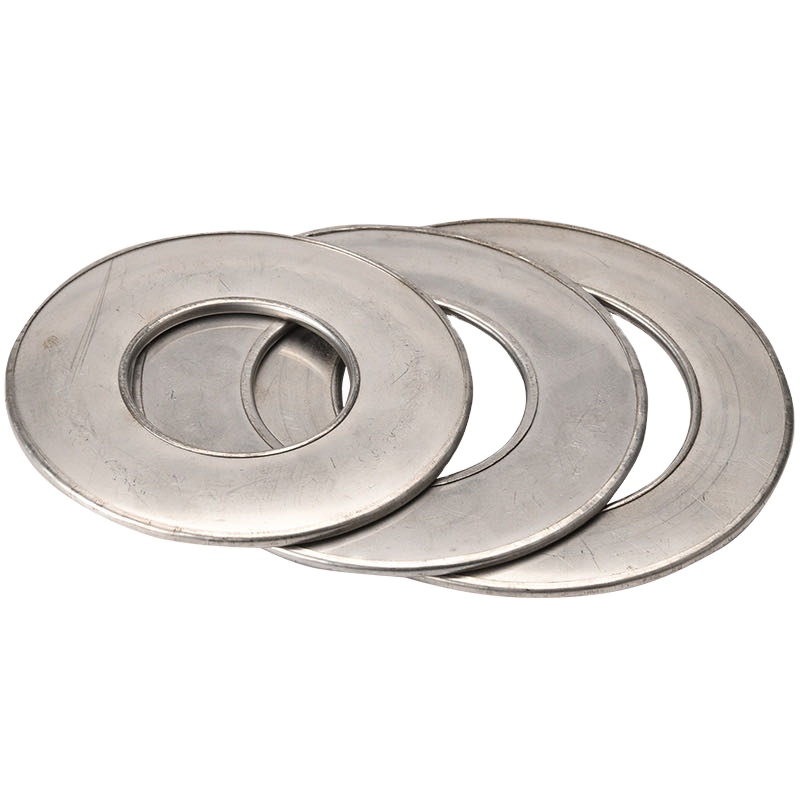
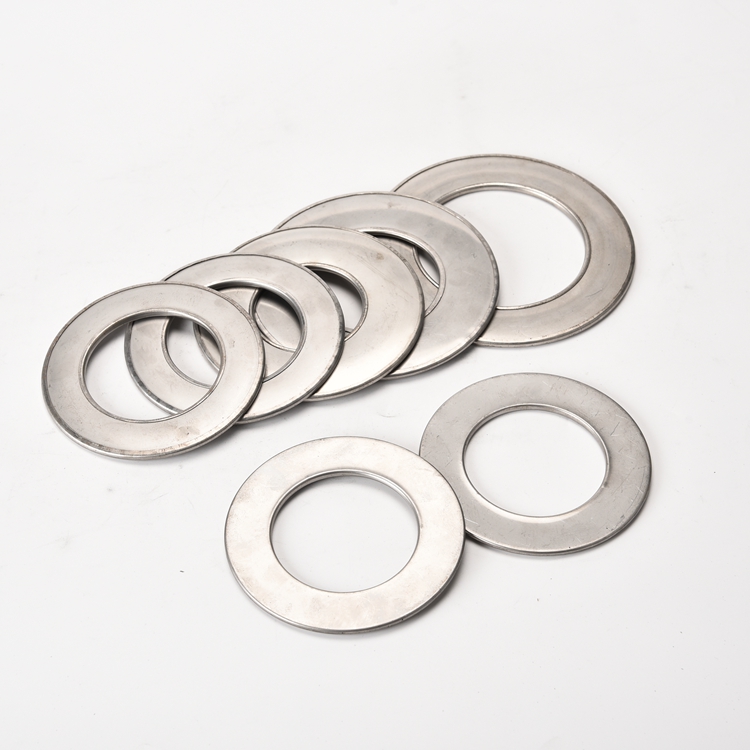
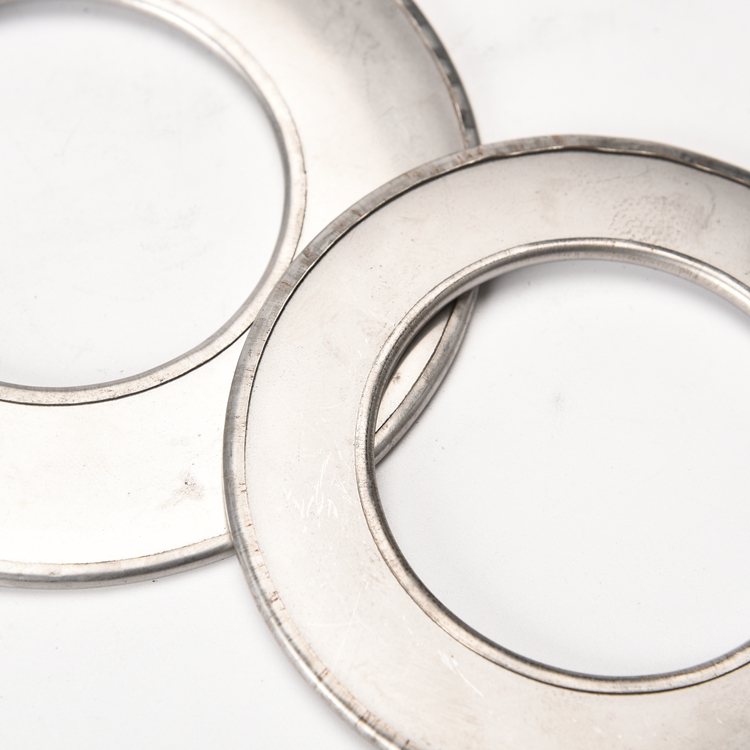
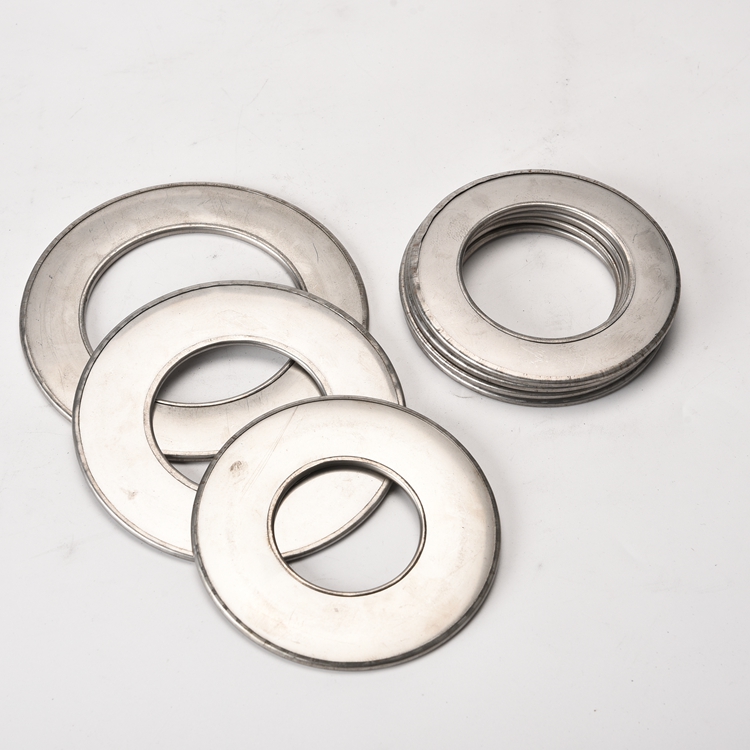
Graphite 304 Stainless Steel Metal Cladding Gasket
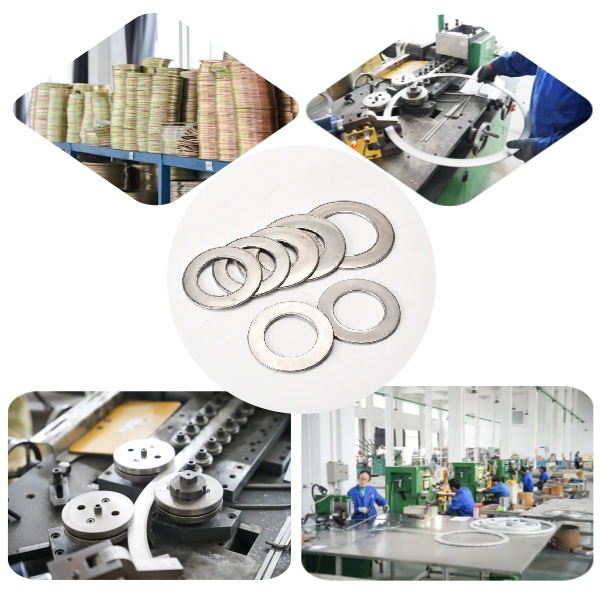
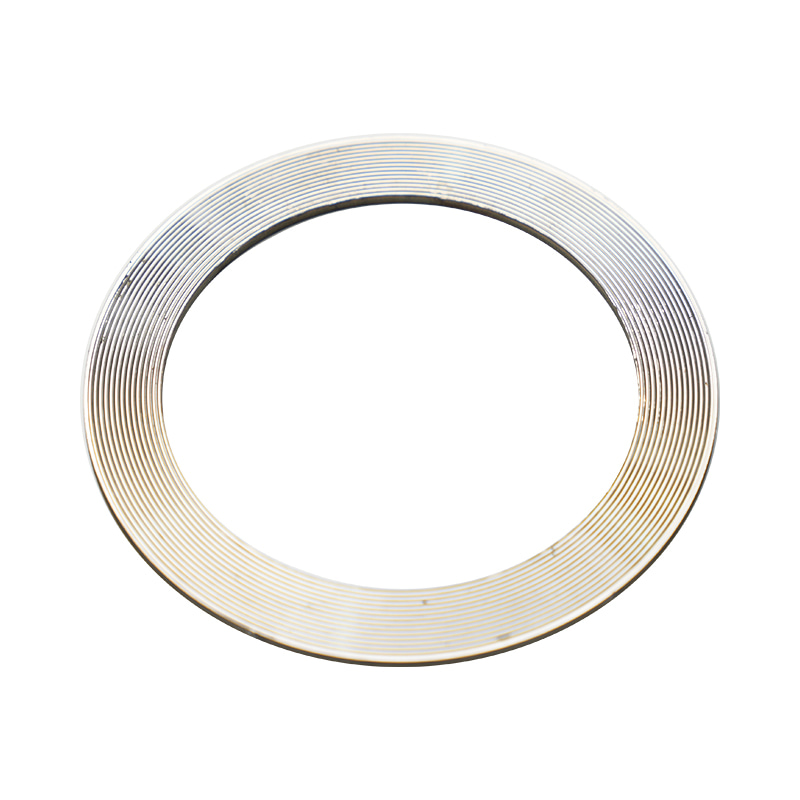
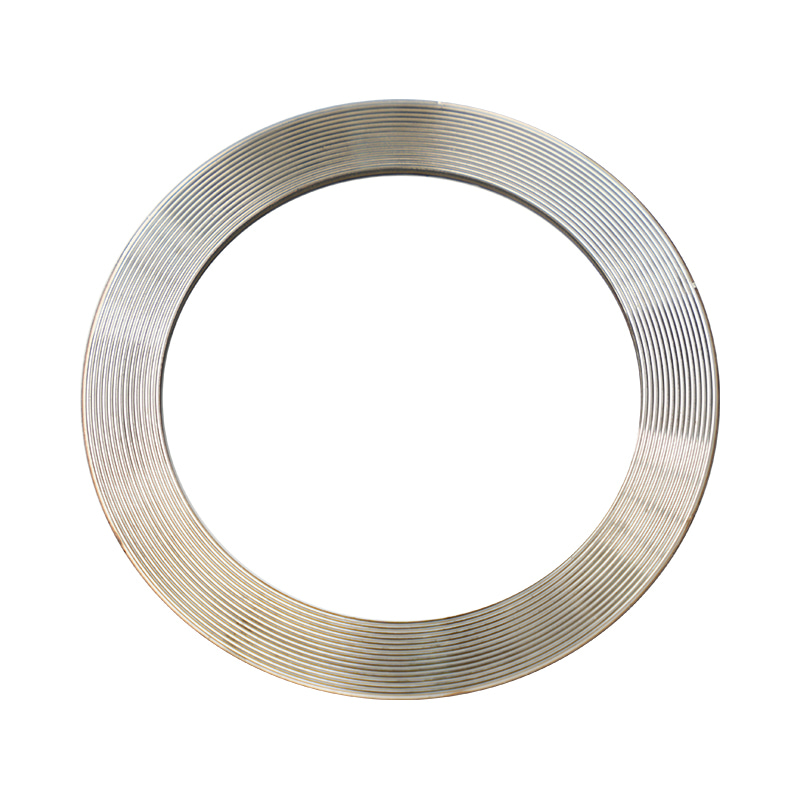
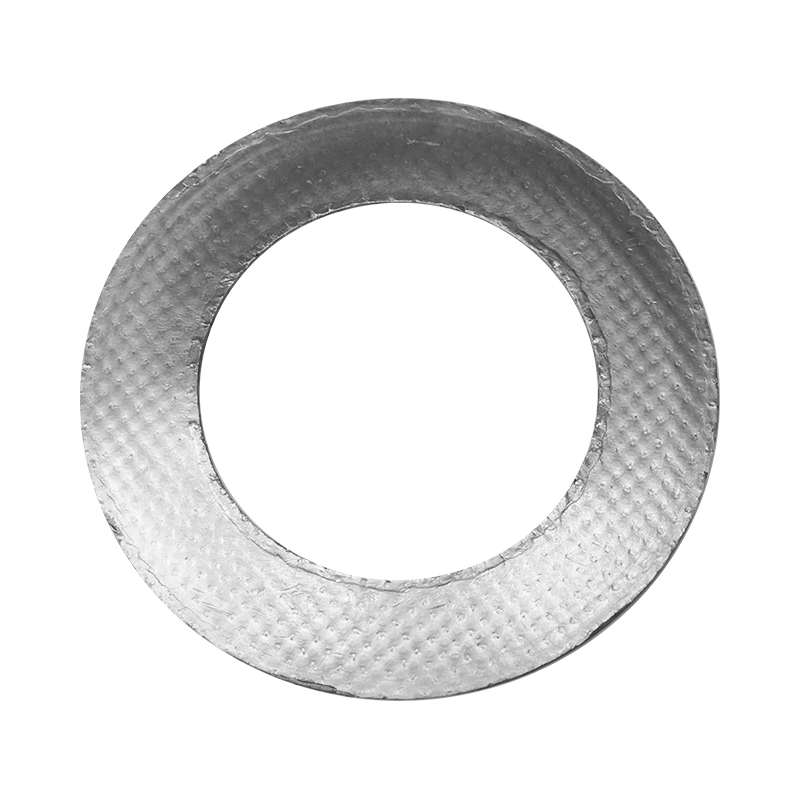
The coated gasket is a product produced by a thin layer of metal-coated soft inorganic sealing filler with high heat resistance. The composite sheet is made of non-metallic materials (flexible graphite, polytetrafluoroethylene, asbestos rubber sheets, ceramic fibers, etc.) on the inside and metal sheets on the outside using a specific cold working process.

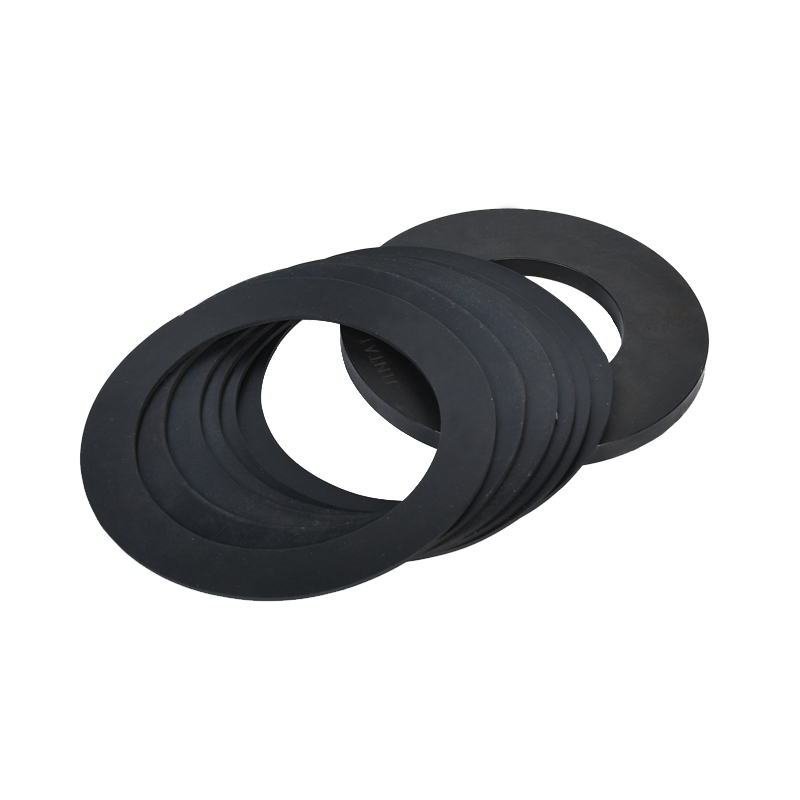
The Graphite 304 Stainless Steel Metal Cladding Gasket, also known as a metal jacketed gasket, consists of a soft, heat-resistant non-asbestos filler material fully or partially enclosed in a 304 stainless steel metallic shell. This specific construction combines the mechanical strength and corrosion resistance of the metal cladding with the excellent compressibility and recovery properties of the flexible graphite core. These gaskets are engineered for sealing applications in heat exchangers, pressure vessels, and large-diameter flanges where bolting stress is limited.
Technical Specifications and Material Properties
The selection of SS304 cladding provides a robust barrier against chemical degradation, while the graphite internal structure ensures effective micro-sealing on flange surfaces with minor irregularities.
| Material Parameter | Standard Specification | Unit / Value |
| Metal Shell Material | 304 Stainless Steel (SS304) | ASTM / DIN Standard |
| Internal Filler Material | Flexible Graphite | High Purity |
| Maximum Operating Temperature | 450 - 550 | °C |
| Maximum Operating Pressure | 6.4 - 10.0 | MPa |
| Gasket Thickness | 3.2 / 4.5 / 5.0 | mm |
| Compression Rate | 20 - 30 | % |
| Recovery Rate | ≥ 15 | % |
 Structural Features and Performance Benefits
- Mechanical Stability: The metal jacket prevents filler blowout and provides structural integrity during handling and installation, specifically for narrow-width flange gaskets.
- High-Temperature Resilience: The combination of graphite filler and stainless steel allows for stable operation in thermal cycling environments without significant relaxation.
- Chemical Compatibility: Resistance to a wide range of media including steam, oil, and various chemical solvents used in petrochemical and power generation sectors.
- Custom Geometry: Available in circular, oval, and complex shapes with pass-bar partitions for multi-pass heat exchanger sealing.
Industrial Applications
Our 304 stainless steel jacketed gaskets are primarily utilized in refining systems, boiler manhole covers, and exhaust manifolds. They serve as a critical component for maintaining vacuum or pressure in autoclaves and gas turbines where conventional soft gaskets might fail due to the high-pressure differential.
Frequently Asked Questions (FAQ)
What are the primary advantages of using graphite-filled 304 stainless steel cladding gaskets in heat exchangers?
The Graphite 304 Stainless Steel Metal Cladding Gasket is specifically designed for heat exchanger flange sealing because it can withstand high bolt loads while the graphite core compensates for the flange's thermal expansion and contraction. Unlike solid metal gaskets, the jacketed design requires lower seating stress. Jiangsu Jintai Sealing Technology Co., Ltd., founded in 2004 in Taixing, Jiangsu Province, has spent decades refining the manufacturing processes for these components. Through our high-end brand Nofstein, we utilize advanced materials to ensure these gaskets meet the rigorous demands of shipping, power, and chemical industries. Our production facilities, established in the sealing technology industrial park since 2013, allow us to maintain CCS classification society quality system identification for all metal cladding products.
How do I select the correct metal jacketed gasket for high-pressure chemical environments?
Selection depends on the chemical medium, temperature, and flange facing. For most corrosive environments, 304 or 316L stainless steel cladding is recommended to prevent jacket failure. The flexible graphite filler is preferred for its chemical inertness and high-temperature tolerance. Jiangsu Jintai Sealing Technology Co., Ltd. provides comprehensive sealing solutions backed by sound quality management manuals and monitoring systems. As a large comprehensive sealing technology enterprise, we have collaborated with global brands like Garlock and Flexitallic, integrating international technical standards into our Nofstein product line. Our gaskets have passed the CiT test for environmental protection and national nonmetal tests, ensuring reliability in complex pneumatic and hydraulic systems across Eastern Europe, Southeast Asia, and Africa.
Can these gaskets be customized for non-standard equipment dimensions?
Yes, metal cladding gaskets are highly customizable regarding shape and the inclusion of ribs (pass bars). This is essential for specialized machinery and large-scale industrial vessels. Jiangsu Jintai Sealing Technology Co., Ltd. specializes in researching and manufacturing various types of seals and specialized rubber material products. With our professional and vigorous foreign trade group and decades of manufacturing experience, we are capable of undertaking major projects that require precision-engineered, non-standard dimensions. Whether for iron and steel plants or machinery manufacturing, our accumulated scientific experiments ensure that every custom Nofstein gasket provides a durable seal under specific operational parameters.
Specifications
Model
|
Name |
Profile |
serial number |
|
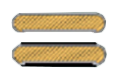
Single-layer coating type |
|
JINTAI 2700 JINTAI 2701 |
|
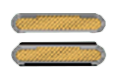
Double layer coating |
|
JINTAl 2702 JINTAI 2703 |
|
Wave covered type |
|
JINTAI 2704 |

Material properties
|
Metallic material |
Filler |
Filling material temperature limit |
|
Soft iron |
Graphite |
500℃ |
|
304 SS |
Asbestos free |
250℃ |
|
316 SS |
Asbestos |
500℃ |
|
321 SS |
PTFE |
250℃ |
|
410 SS |
Ceramics 1100℃ Note: Please consult when using temperatures above 500°C. |
|
|
Copper |
||
|
Aluminum |
||
|
MONEL 400 |
||
|
Lead |
||
|
Titanium |
||
|
Nickel 200 |
||
KEEP IN TOUCH
About Us
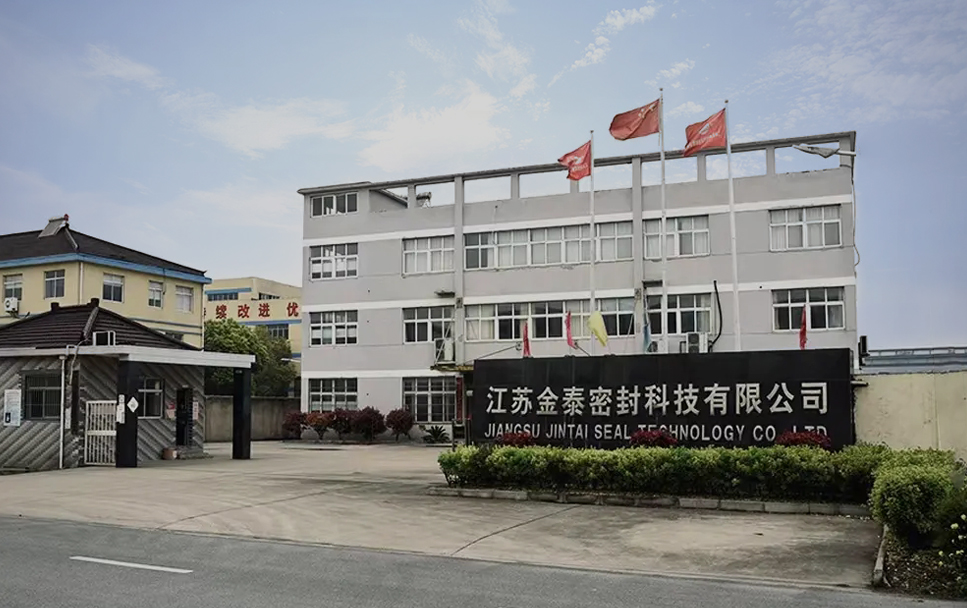
Jiangsu Jintai Sealing Technology Co., Ltd.
Jiangsu Jintai Sealing Technology Co., Ltd. is China Graphite 304 Stainless Steel Metal Cladding Gasket Manufacturers and
Wholesale Graphite 304 Stainless Steel Metal Cladding Gasket Factory, we are a large comprehensive sealing technology enterprise, we specialize in researching, manufacturing and selling various types of seals, environment-friendly asbestos-free gaskets, specialized rubber material products and parts insulation materials for pneumatic and hydraulic systems. Moreover, we have formed a complete set with many industries such as shipping, power, iron and steel, chemistry, and machinery for many successive years.
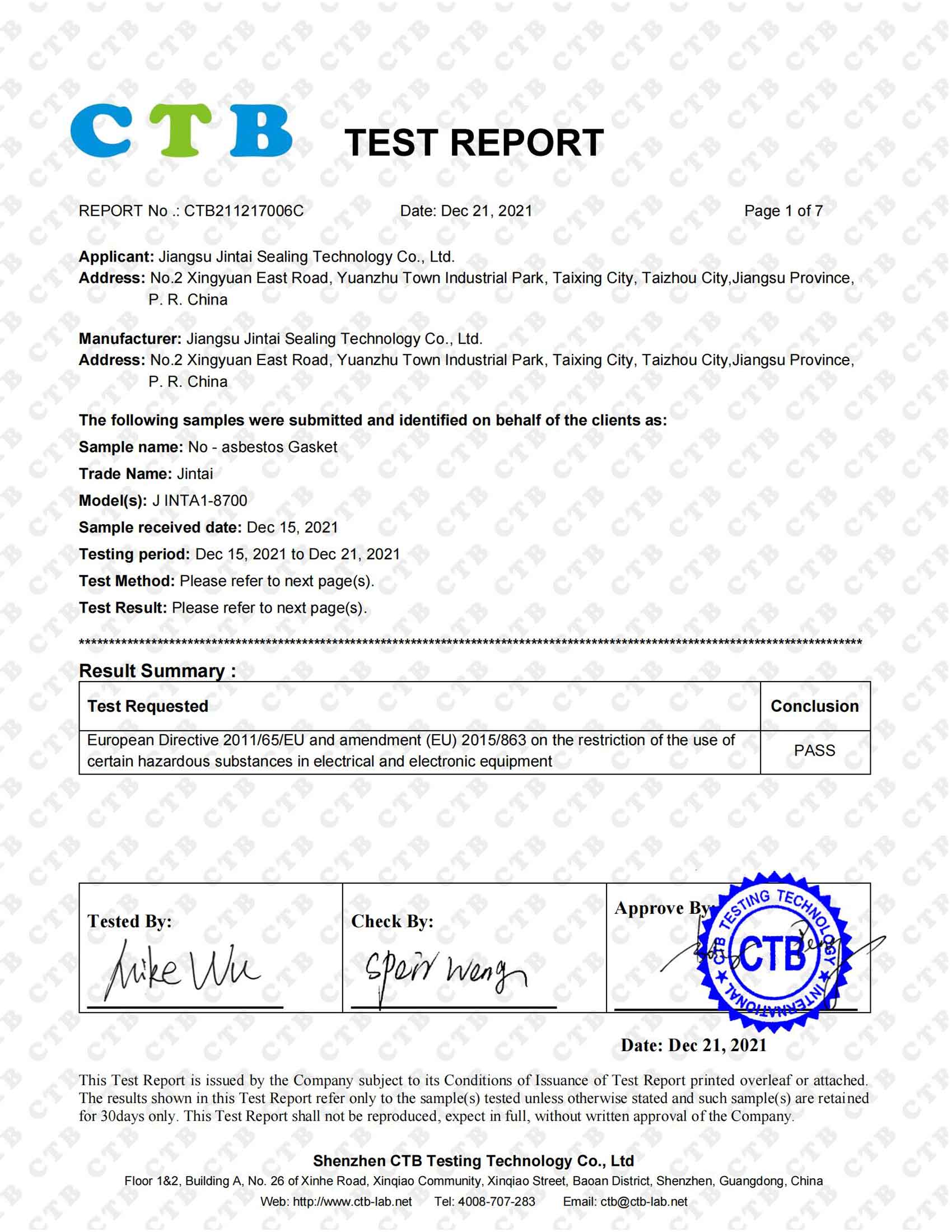
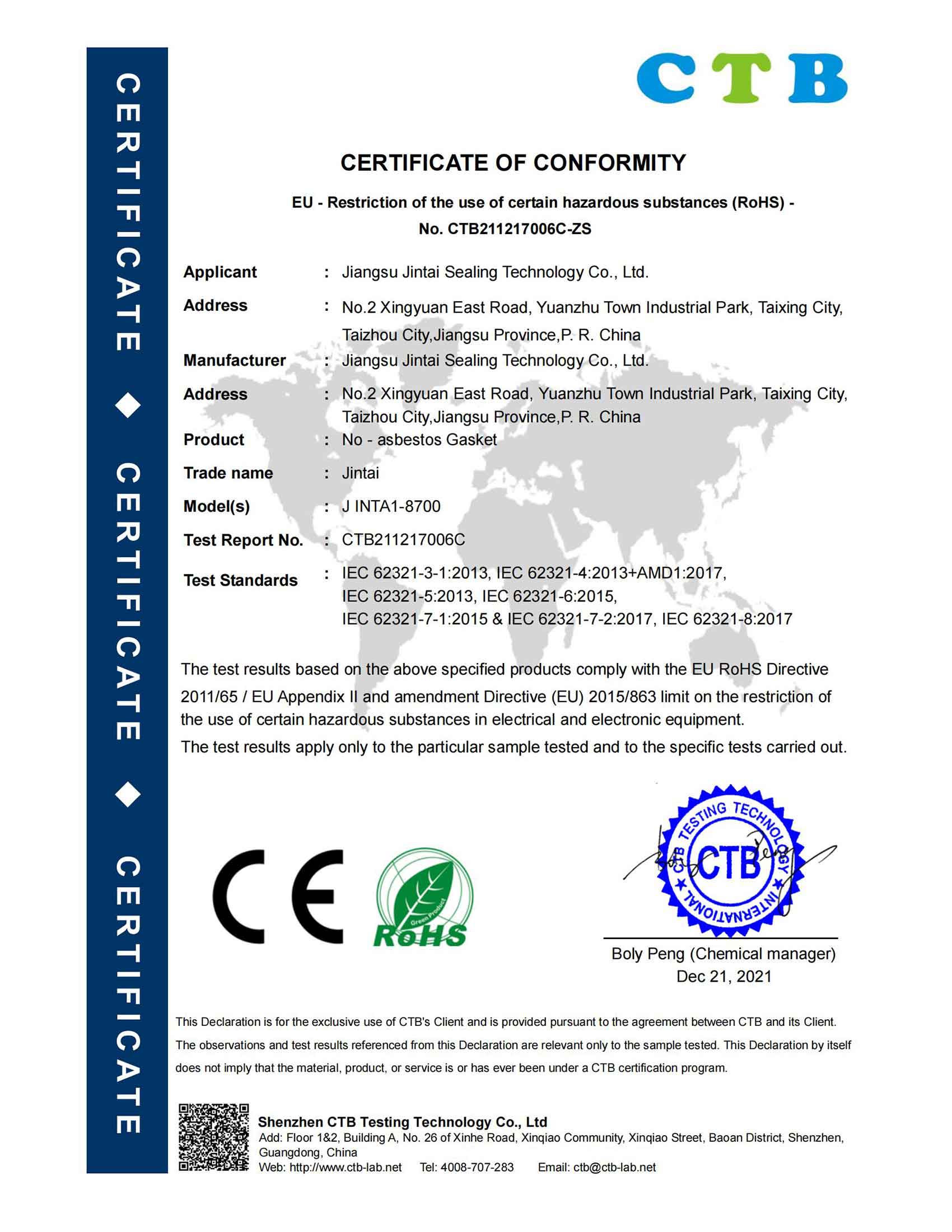
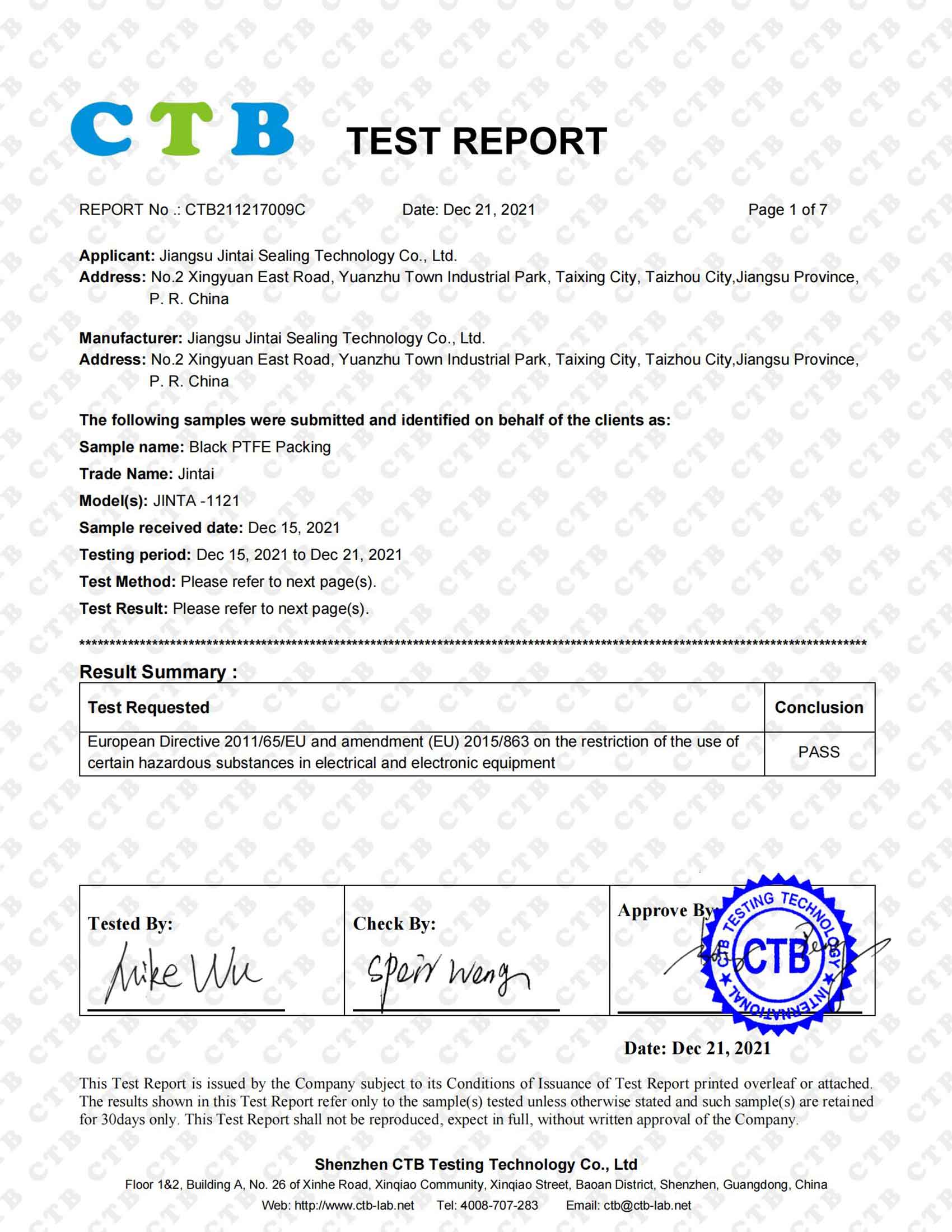
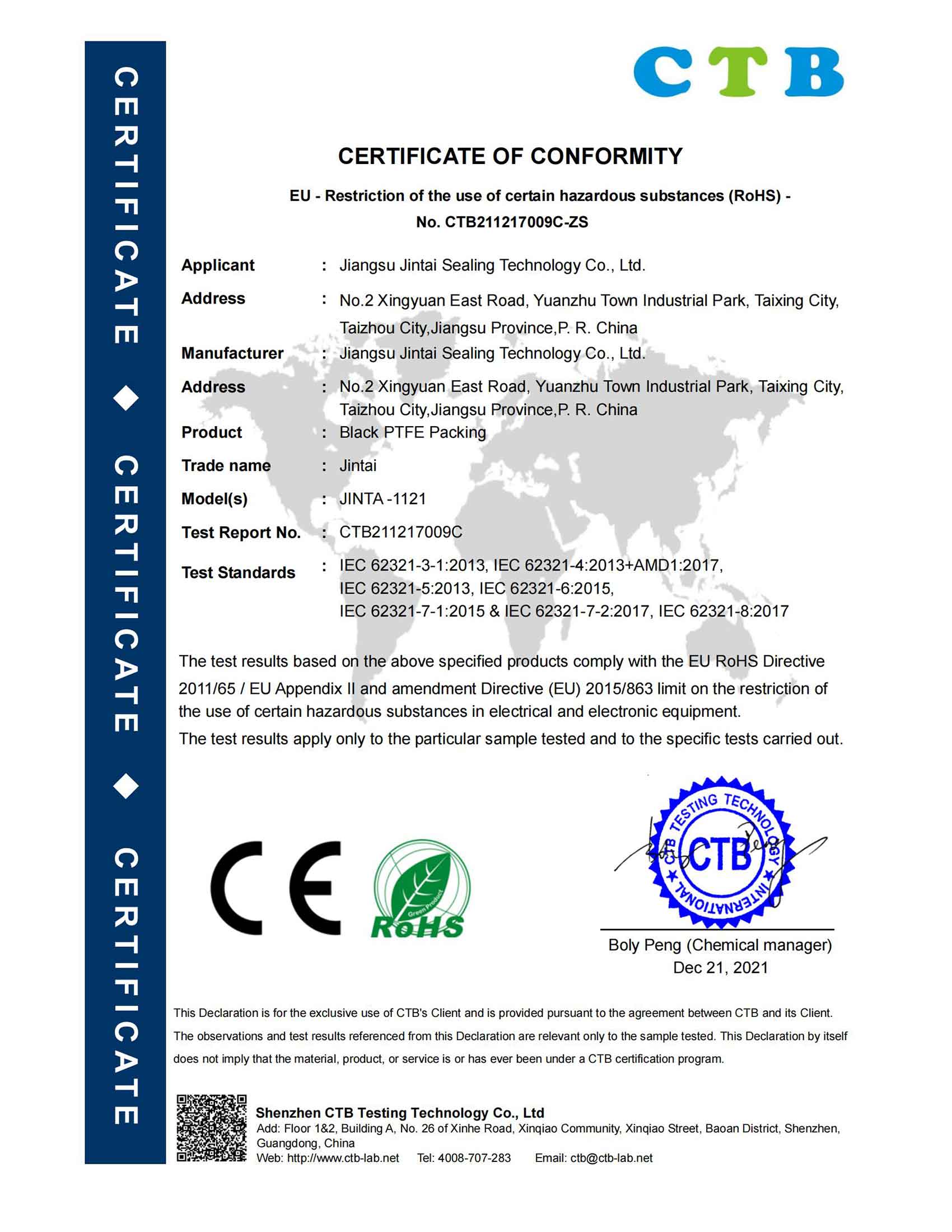
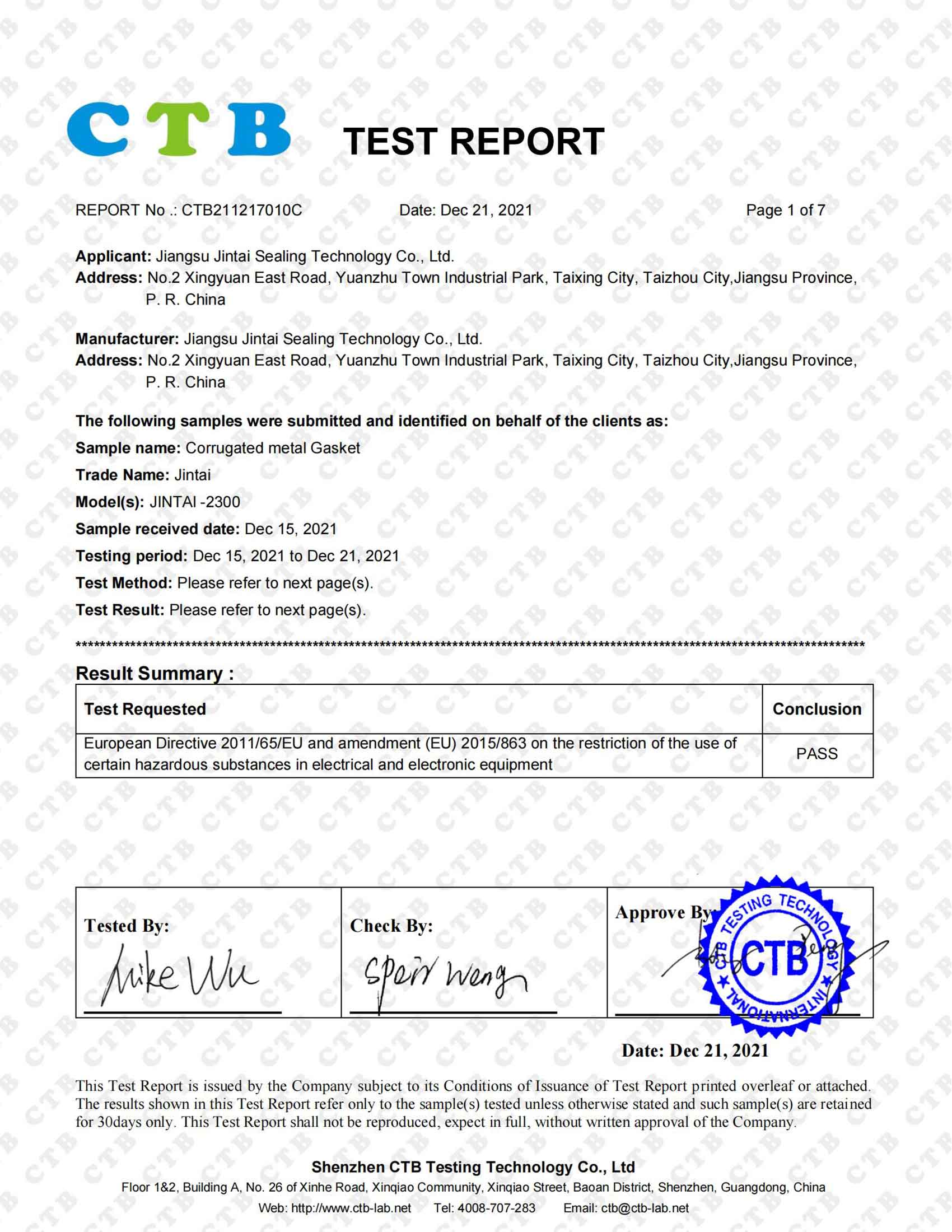
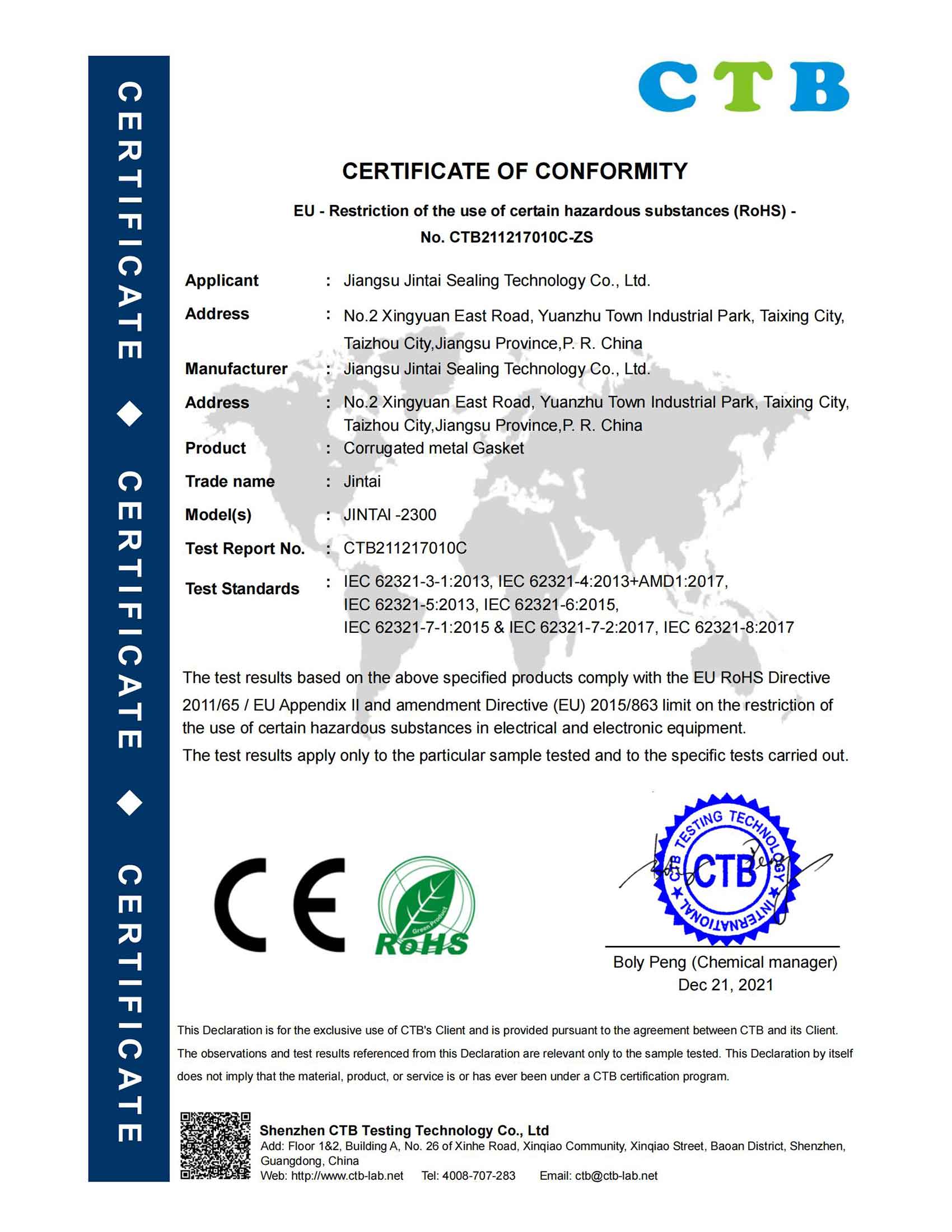
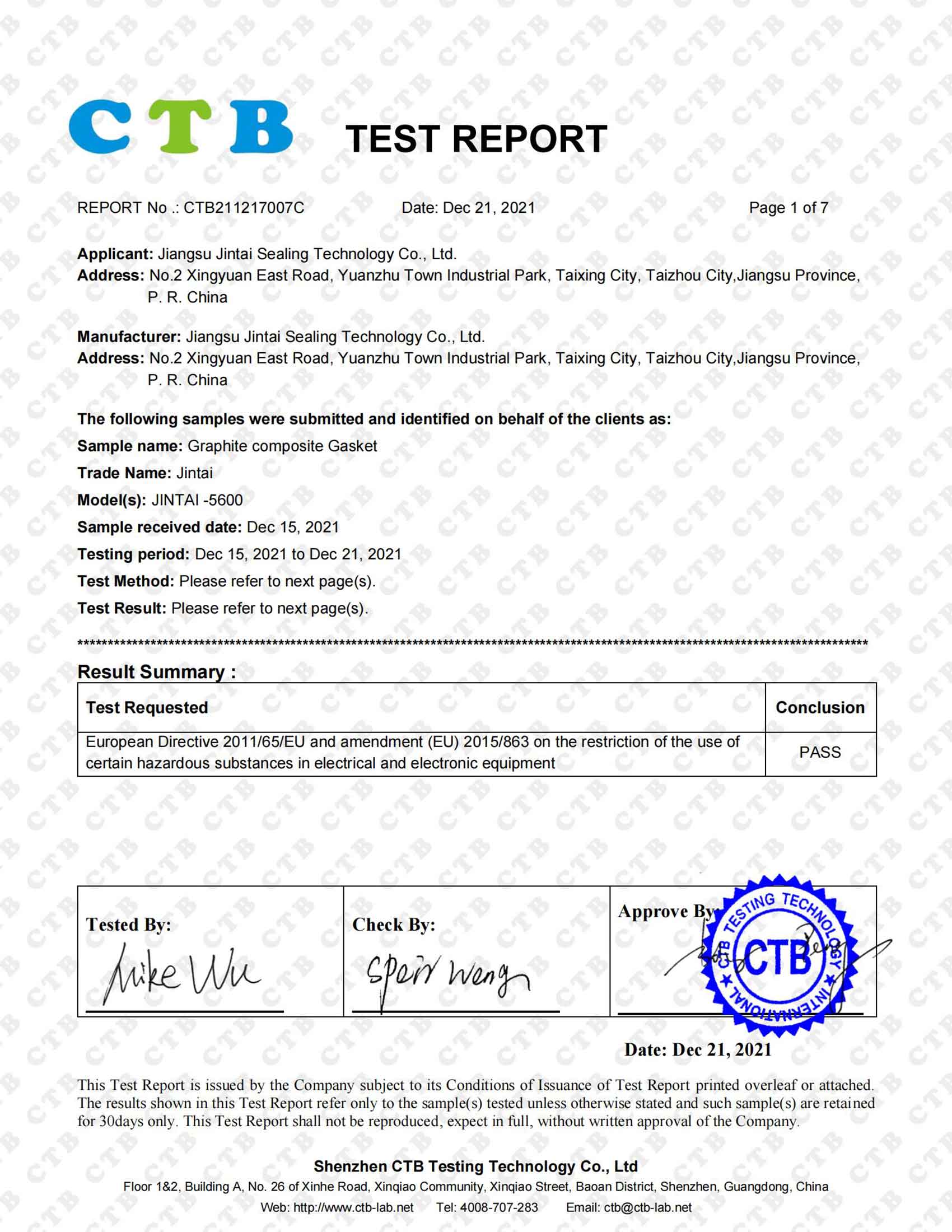
Certificate Of Honor
News
-
Graphite gland packing is the definitive solution for high-performance sealing in industrial pumps, valves, and agitators, specifically designed to withstand extreme temperatures and corrosive environ...
READ MORE -
The operational reliability of centrifugal pumps and high-pressure valves depends heavily on the integrity of the stuffing box seal. Utilizing carbon gland packing is a standard requirement for applic...
READ MORE -
Stress Relaxation and Creep in High-Temperature Environments Mechanical Degradation: A primary cause of metal gasket seal failure is stress relaxation, where the initial bolt load decreases over time...
READ MORE
Graphite 304 Stainless Steel Metal Cladding Gasket Industry knowledge
The Rising Star of Industrial Sealing: Exploring the Versatility of Metal-Jacketed Gaskets?
In a complex and ever-changing industrial environment, sealing technology is a key link to ensure the stable operation of equipment and prevent medium leakage. Its importance is self-evident. With the advancement of science and technology and the increasing diversification of industrial needs, traditional sealing materials can no longer meet the needs of all application scenarios. Against this background, Metal cladding gaskets came into being. With their unique structure and excellent performance, they have shown strong vitality in many industries such as shipping, electricity, steel, chemicals, machinery, etc., and have become an important part of modern industrial sealing technology.
Metal cladding gaskets are a composite sealing material that tightly combines metal sheets with soft inorganic high-heat-resistant sealing fillers. This unique structural design combines the strength, rigidity and corrosion resistance of metal materials with the flexibility and sealing of soft fillers, achieving complementary advantages and providing an ideal solution for sealing needs under various extreme working conditions. The inner layer is usually made of non-metallic materials such as flexible graphite, polytetrafluoroethylene, asbestos rubber sheet or ceramic fiber, which have good high temperature resistance, chemical corrosion resistance and good compression resilience; the outer layer is covered with a layer of metal sheet, such as stainless steel, aluminum, copper, etc., to enhance the overall strength, wear resistance and impact resistance of the gasket.
Excellent sealing performance: The inner soft filler can fit the sealing surface tightly and effectively fill the tiny gaps. Even under high temperature, high pressure or highly corrosive media, it can maintain a stable sealing effect.
Good adaptability: Metal-clad gaskets are suitable for various irregular or complex flange sealing surfaces. Through cold processing and forming technology, they can accurately match various sealing requirements.
High strength and corrosion resistance: The addition of the outer metal sheet significantly improves the overall strength and corrosion resistance of the gasket, extends its service life and reduces maintenance costs.
Wide range of applications: From low temperature to high temperature (up to hundreds of degrees Celsius), from low pressure to high pressure (including ultra-high pressure environment), metal-clad gaskets can perform well and meet the sealing requirements under different working conditions.
Environmentally friendly: With the improvement of environmental awareness, many metal-clad gaskets use asbestos-free materials as the inner layer, which meets the requirements of modern industry for environmentally friendly products.
In the shipbuilding industry, metal-clad gaskets are widely used in the sealing of hull pipes, valves and pumps, effectively preventing the leakage of media such as seawater and fuel oil, and ensuring navigation safety. In the power industry, the sealing of key equipment such as high-temperature and high-pressure boilers and steam turbines is also inseparable from the support of metal-clad gaskets. In the steel, chemical and machinery manufacturing industries, facing the complex and changing media environment, metal-clad gaskets have become indispensable sealing elements with their excellent sealing performance and corrosion resistance.
With the advancement of Industry 4.0 and intelligent manufacturing, the requirements for sealing technology will become more stringent and diversified. As a representative of advanced sealing materials, the research and development and application of metal-clad gaskets will continue to deepen, and develop towards higher performance, wider scope of application, and more convenient installation and maintenance. For example, improving the performance of the inner layer filler through nanotechnology, or using smart materials to achieve real-time monitoring and self-adjustment of the gasket status will bring new development opportunities for metal-clad gaskets.
As an important innovative achievement in the field of industrial sealing, metal-clad gaskets provide efficient and reliable sealing solutions for multiple industries with their unique structure and excellent performance. With the continuous advancement of technology and the continuous expansion of applications, metal-clad gaskets will play a more important role in ensuring industrial production safety, improving equipment operation efficiency, promoting energy conservation and emission reduction, and become an important force in promoting industrial transformation and upgrading. Industry leaders such as Jiangsu Jintai Sealing Technology Co., Ltd. are leading the metal-clad gasket industry to a higher level through continuous technology research and development and market expansion.

 Home
Home +86 152 4020 4398
 zdjt004@jsjtmf.vip
 No.2 Xingyuan East Road, Yuanzhu Town Industrial Park, Taixing City, Jiangsu Province, China
Copyright © 2024. Jiangsu Jintai Sealing Technology Co., Ltd. All rights reserved. Wholesale Graphite 304 Stainless Steel Metal Cladding Gasket Manufacturers
