


 Eng
Eng 
 русский

Graphite Gland Packing: High-Temp Sealing Specs & Installation
 2026.04.27
 Industry News
Article Directory
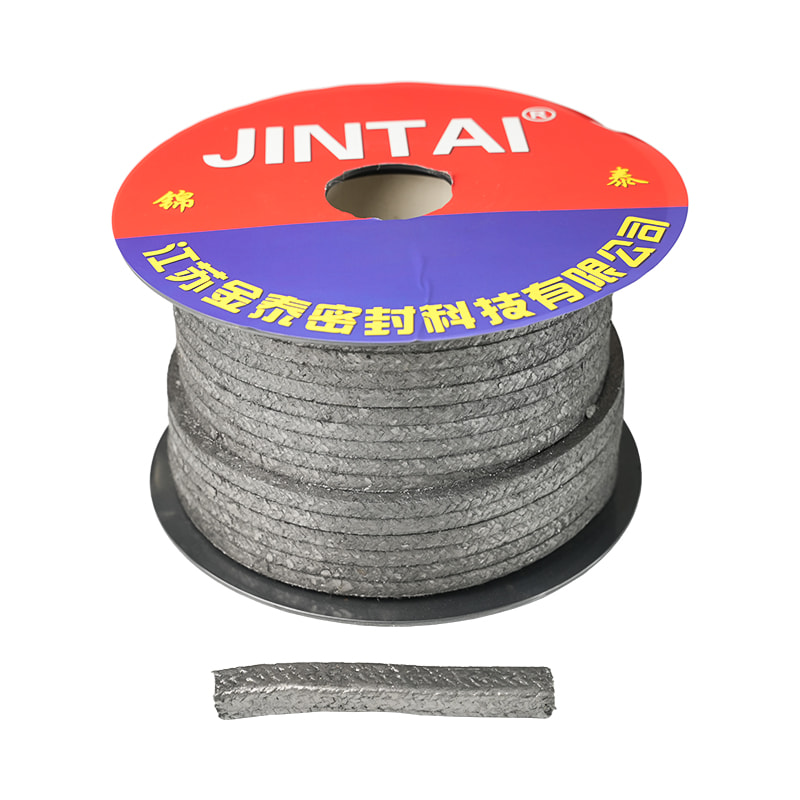
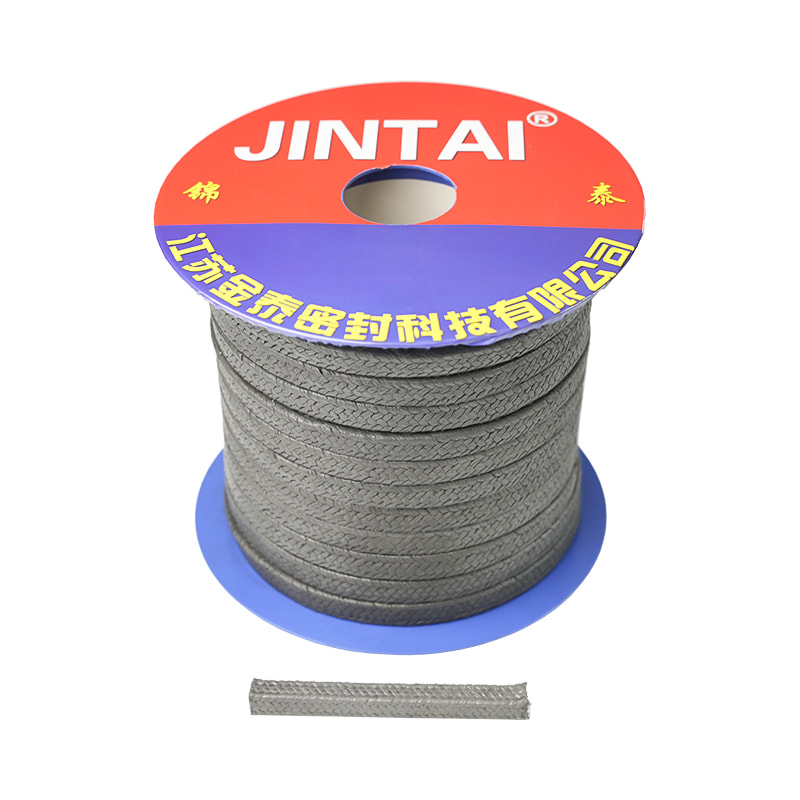
Graphite gland packing is the definitive solution for high-performance sealing in industrial pumps, valves, and agitators, specifically designed to withstand extreme temperatures and corrosive environments where traditional fibers fail. Its primary value lies in its high thermal conductivity and self-lubricating properties, which minimize friction-induced heat and protect expensive pump shafts from scoring. Whether in power generation or chemical processing, it remains the "gold standard" for maintaining a leak-free seal under grueling pressure.
Technical Specifications and Performance Metrics
The performance of graphite gland packing is defined by its ability to remain stable across a massive thermal and chemical spectrum. Unlike synthetic fibers that may melt or harden, flexible graphite maintains its elasticity and volume.
In oxidizing atmospheres, pure flexible graphite can typically handle temperatures up to 450°C (850°F). However, in non-oxidizing or inert environments, its threshold climbs significantly, often reaching up to 3000°C. Its chemical resistance is nearly universal, spanning the full pH scale of 0 to 14, with the exception of very strong oxidizers like fuming nitric acid or aqua regia.
| Property | Flexible Graphite (Pure) | Reinforced Graphite (Inconel/Wire) |
| Temperature (Oxidizing) | Up to 450°C | Up to 650°C |
| Pressure (Valves) | Approx. 200 Bar | Up to 450+ Bar |
| pH Range | 0 - 14 | 0 - 14 |
| Shaft Speed | Up to 25 m/s | Lower (optimized for static/valves) |
Common Variations and Material Grades
Not all graphite packing is created equal. The choice of grade depends heavily on whether the application is dynamic (pumps) or static (valves).
- Flexible Graphite Tape: Often used as a base, this is compressed into rings. It offers excellent conformability to slightly worn shafts.
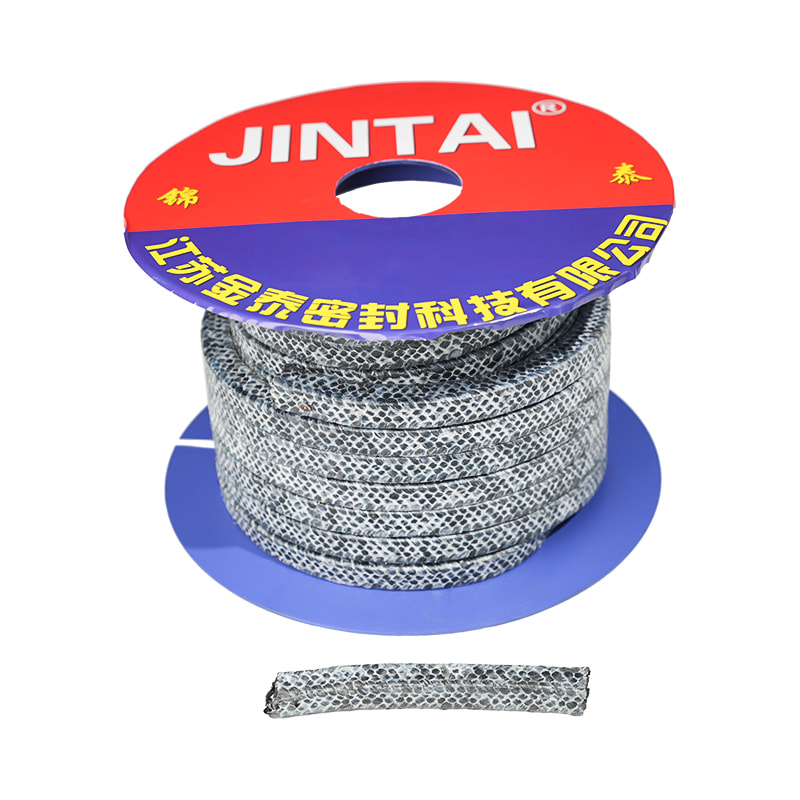
- Carbon Fiber Reinforced Graphite: By braiding carbon fiber into the corners, manufacturers increase the extrusion resistance of the packing, making it ideal for high-pressure piston pumps.
- Metallic Wire Reinforcement: Usually reinforced with Inconel or stainless steel wire, this grade is designed for high-pressure valve stems where structural integrity is more critical than shaft speed.
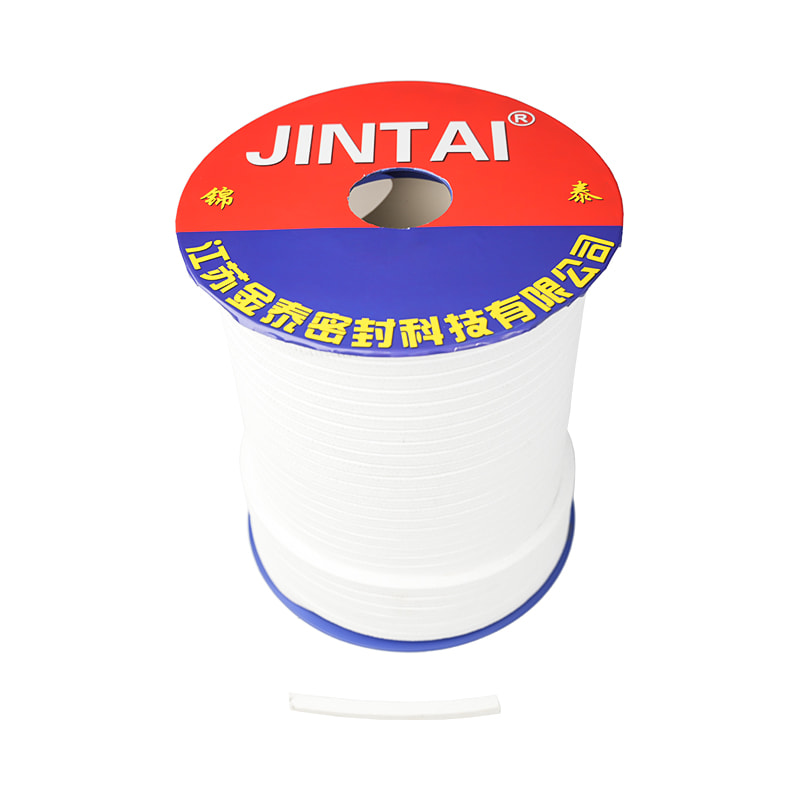
- PTFE-Impregnated Graphite: A hybrid approach where graphite is treated with PTFE to enhance chemical resistance and reduce initial break-in leakage in lower-temperature applications.
The Practical Benefits of Self-Lubrication
One of the most constructive reasons to choose graphite over materials like aramid or flax is its coefficient of friction. Graphite is naturally "slippery" at the molecular level. In a centrifugal pump, this means the packing requires less "flush water" to stay cool.
For example, a standard pump using synthetic fiber packing might require a friction-related power draw of 2-3% of the motor's output just to overcome the drag of the seal. Switching to high-purity graphite can reduce this parasitic load by nearly 50%, translating to measurable energy savings over a year of continuous operation. Furthermore, because graphite conducts heat away from the interface and into the stuffing box, the risk of "shaft sleeve" damage is drastically lowered.
Installation Best Practices for Maximum Seal Life
Even the highest quality graphite packing will fail if installed incorrectly. Because graphite is relatively soft, it requires a precise touch during the "re-packing" process.
- The 45-Degree Cut: Always cut the packing rings at a 45-degree angle (skive cut). This creates an overlapping joint that is far less likely to leak than a 90-degree butt joint.
- Staggered Joints: When inserting multiple rings into the stuffing box, ensure the joints are staggered by 90 to 120 degrees. This prevents a "straight-line" leak path from forming.
- Controlled Compression: Graphite expands when tightened. It is best to tighten the gland nuts finger-tight first, then start the pump and allow it to leak freely for a few minutes. Gradually tighten the nuts until the leak slows to the desired "drop-per-minute" rate. Over-tightening graphite too quickly can cause it to "glaze," losing its lubricating properties instantly.
- Sizing Accuracy: Ensure the packing cross-section matches the stuffing box gap exactly. Using a 10mm packing in a 10.5mm gap will lead to rapid extrusion and seal failure.
Constructive Applications in Heavy Industry
Graphite gland packing is not just a general-purpose sealer; it is a critical component in safety-sensitive sectors. In steam power plants, it handles superheated steam at pressures that would disintegrate rubber-based seals. In the pulp and paper industry, graphite's ability to resist "black liquor" and other harsh processing chemicals makes it indispensable for maintaining uptime in digesters and mixers.
By choosing a high-purity graphite (typically 99% carbon content or higher), facilities can avoid the "pitting" of stainless steel shafts—a common issue with lower-grade graphites that contain high levels of impurities like sulfur or chlorides.

 Home
Home +86 152 4020 4398
 zdjt004@jsjtmf.vip
 No.2 Xingyuan East Road, Yuanzhu Town Industrial Park, Taixing City, Jiangsu Province, China
Copyright © 2024. Jiangsu Jintai Sealing Technology Co., Ltd. All rights reserved. Custom Sealing Gaskets, Sealing Packing, Rubber Products
