Jiangsu Jintai Sealing Technology Co., Ltd. Home / News / Industry News / How to Choose Non Metallic Gaskets: Chemical Resistance, Thickness, and Performance Guide

How to Choose Non Metallic Gaskets: Chemical Resistance, Thickness, and Performance Guide

Jiangsu Jintai Sealing Technology Co., Ltd. 2026.06.07
Jiangsu Jintai Sealing Technology Co., Ltd. Industry News

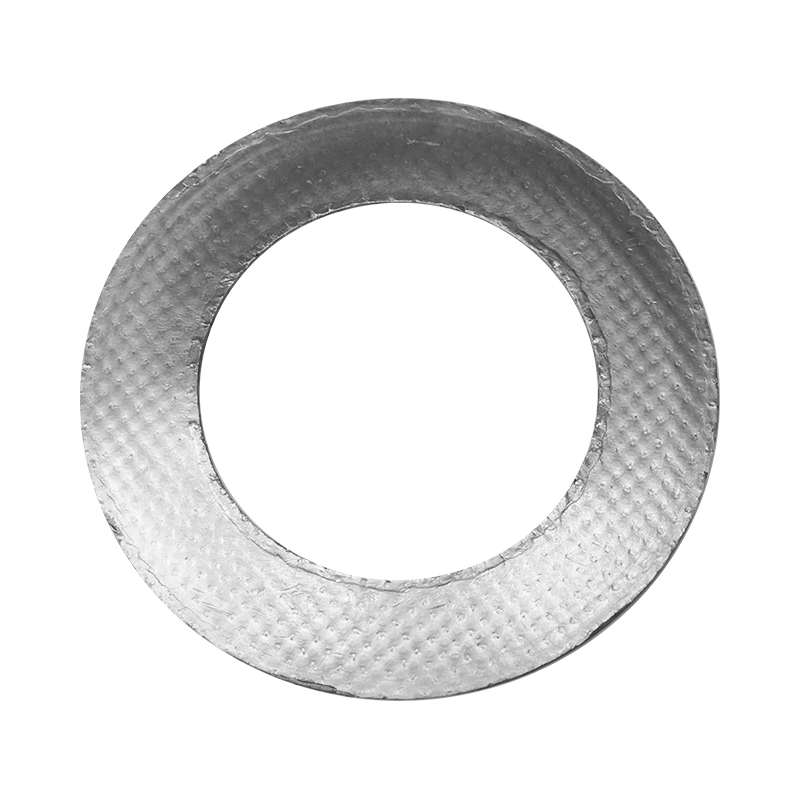
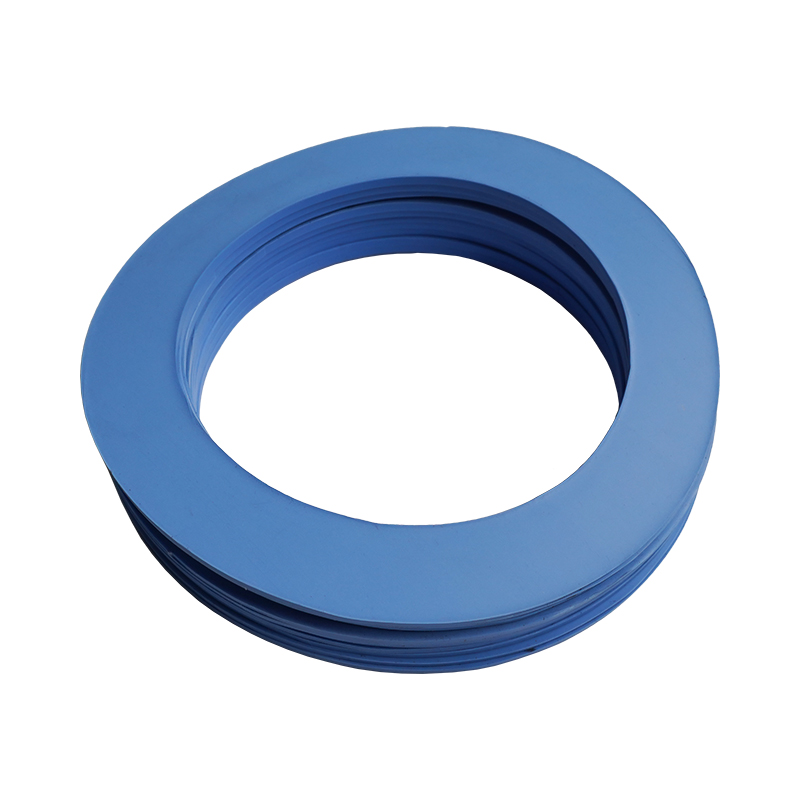
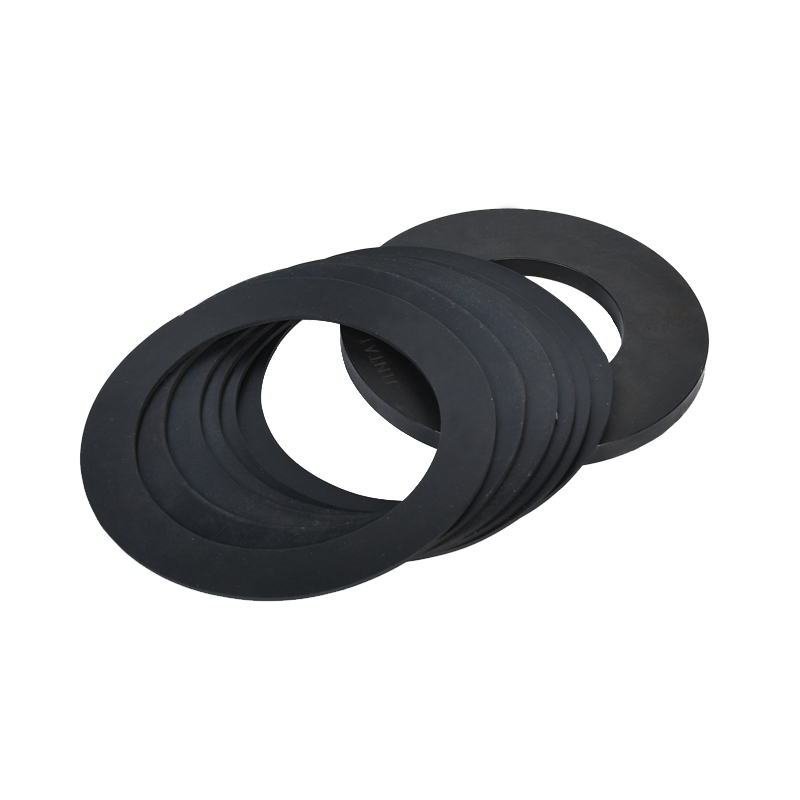
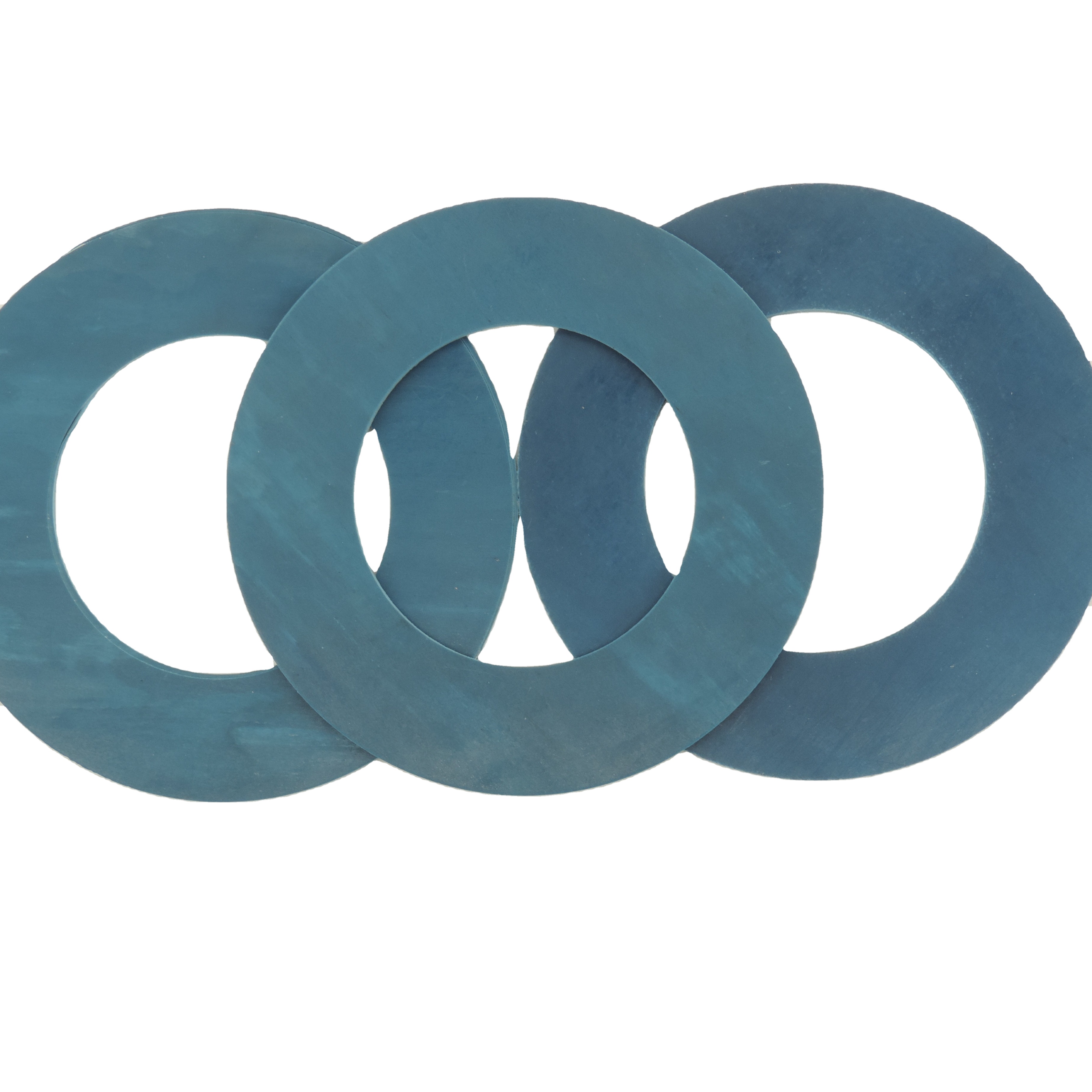
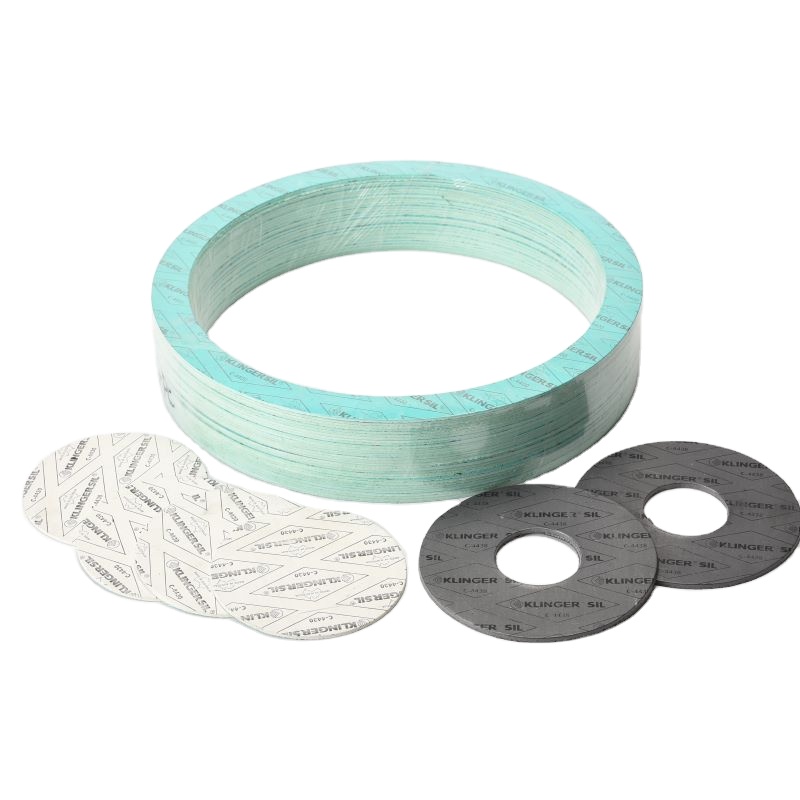
A Non Metallic Gasket is the sealing interface between two mating flanges — and its material specification determines whether a pipeline joint holds for twenty years or fails within months. Chemical compatibility, thermal range, compressibility, and creep resistance interact differently across PTFE, graphite, rubber, and compressed fibre grades. Choosing the wrong material in a corrosive or high-temperature application does not just cause leakage — it causes unplanned shutdowns, regulatory incidents, and replacement costs that dwarf the original gasket price. This guide resolves the four specification questions that drive most non-metallic gasket procurement decisions.

-200°C
to +260°C
Operating range of expanded PTFE gaskets
3,000+
psi bolt load
Minimum seating stress for compressed fibre grades
pH 0–14
full range
Chemical resistance envelope of virgin PTFE

Which Gasket Material Suits Chemical Applications?

Chemical compatibility is the primary filter in non-metallic gasket selection — a material that seals perfectly at ambient temperature may swell, harden, or dissolve within weeks when exposed to the process fluid. The table below maps the most common non-metallic gasket materials to their chemical resistance profiles.

Material Acids Alkalis Solvents Hydrocarbons Steam
Virgin PTFE Excellent Excellent Excellent Excellent Good
Expanded PTFE (ePTFE) Excellent Excellent Excellent Excellent Excellent
Flexible Graphite Good Good Good Excellent Excellent
NBR Rubber Limited Good Poor Good Poor
EPDM Rubber Good Excellent Poor Poor Good
Compressed Fibre (CAF) Limited Limited Limited Good Good
Strong Acids (H₂SO₄, HCl, HNO₃)

Virgin or expanded PTFE is the only material that withstands concentrated mineral acids across the full concentration range. NBR and CAF gaskets swell and lose compressive strength within 48–72 hours of exposure to concentrated sulphuric acid above 70%.

Caustic and Alkali Services

EPDM rubber performs reliably in sodium hydroxide and potassium hydroxide services up to 80°C. For caustic concentrations above 30% at elevated temperature, ePTFE is preferred — EPDM begins to lose tensile strength above this threshold in long-duration service.

Hydrocarbon and Oil Services

Flexible graphite and NBR rubber are the standard choices for oil, fuel, and hydrocarbon services. PTFE is chemically compatible but its low friction coefficient causes cold-flow under bolt load in high-pressure hydrocarbon flanges — specify glass-filled PTFE or ePTFE to counter this.

What Temperature Can Non Metallic Gaskets Handle?

Temperature governs both the upper service limit — above which the material loses sealing integrity — and the lower limit, below which embrittlement or stiffening prevents adequate compression under bolt load. The operating window must account for both steady-state process temperature and transient excursions during startup, shutdown, and process upsets.

Flexible Graphite
-200°C to +450°C (oxidising); to +3000°C (inert)
Highest thermal ceiling of any non-metallic gasket material. Oxidation above 450°C in air limits use without metal reinforcement.
Expanded PTFE (ePTFE)
-200°C to +260°C
Broadest chemical resistance across its thermal window. Cold-flow tendency requires controlled bolt load — torque to manufacturer's specified seating stress, not to feel.
Virgin PTFE
-200°C to +230°C
Lower creep resistance than ePTFE. Glass-filled (25% GF) or carbon-filled grades extend the effective load-bearing range and reduce cold-flow at elevated temperature.
EPDM Rubber
-50°C to +150°C
Steam-rated EPDM grades reach 160°C in intermittent service. Sustained temperatures above 150°C cause progressive hardening and loss of compression recovery.
Compressed Fibre (CAF)
-40°C to +400°C
Aramid-fibre grades (replacing legacy asbestos) handle steam, oil, and gas at elevated temperature with good bolt-load retention. Verify asbestos-free certification for all modern CAF supply.
NBR Rubber
-30°C to +120°C
Cost-effective for ambient hydrocarbon services. Brittle below -30°C in standard grades — low-temperature NBR compounds extend the lower limit to -50°C for refrigeration and cryogenic-adjacent services.
Critical Temperature Rule

Always specify the gasket material for the maximum process excursion temperature — not the normal operating temperature. A steam line that normally runs at 120°C but peaks at 180°C during startup requires a material rated for 180°C with margin. A gasket failure at peak temperature is a gasket failure, regardless of steady-state performance.

How to Choose Non Metallic Gasket Thickness?

Gasket thickness is not a preference — it is a calculated parameter driven by flange surface finish, bolt load, operating pressure, and the material's compressibility characteristics. The thinnest gasket that achieves full flange face contact is almost always the correct specification.

Rule 1
Match Thickness to Flange Finish

Flanges with a smooth machined finish (Ra 3.2–6.3 µm) seat effectively with gaskets as thin as 0.8mm — the material fills micro-surface irregularities under bolt load without requiring excess thickness. Rough or corroded flanges (Ra above 12.5 µm) require 1.5–3.0mm thickness to accommodate surface variation without leakage paths. Never use a thin gasket to compensate for a poorly prepared flange face — resurface the flange instead.

Rule 2
Thinner Seals Better Under High Bolt Load

A thinner gasket achieves higher seating stress at equivalent bolt torque because less material must be compressed to fill the flange gap. For ASME Class 300 and above flanges with adequate bolt load, 1.5mm PTFE or 1.6mm flexible graphite outperforms 3.0mm equivalents in long-term bolt-load retention — the thicker material has more mass to creep under sustained compressive stress over time.

Rule 3
Standard Thickness by Application Type

Industry standard thickness selections by application: low-pressure water and HVAC flanges use 3.0mm rubber or CAF; process pipework at ASME Class 150–300 uses 1.5–2.0mm PTFE or graphite; high-pressure and high-temperature services above Class 600 specify 0.8–1.5mm with metal reinforcement inserts where required by the flange designer's calculation.

Rule 4
Account for Thermal Cycling Compression Loss

Every thermal cycle — heating and cooling the flange — relaxes bolt load through differential thermal expansion between the flange, bolts, and gasket. Materials with higher compressibility (rubber, CAF) accommodate this relaxation better than rigid materials. In flanges subject to frequent thermal cycling, specify a 10–15% thicker gasket than the steady-state minimum, or switch to a spring-energised ePTFE design that maintains sealing stress through the cycle.

Which Non Metallic Gasket Lasts Longest?

Service life in a non-metallic gasket is determined by how well the material resists the three primary degradation mechanisms: chemical attack, thermal ageing, and compression set. No single material leads on all three — longevity is always a function of matching the material to the specific service conditions.

Expanded PTFE — Longest Life in Chemical Services

ePTFE gaskets in chemical process flanges routinely achieve 10–15 year service lives without replacement in well-specified installations. The material's resistance to chemical degradation across pH 0–14, combined with its multi-directional fibre structure that resists creep better than virgin PTFE, makes it the benchmark for long-term chemical plant sealing. Documented installations in pharmaceutical and semiconductor facilities report first gasket replacement at 12–18 years under continuous service.

Flexible Graphite — Longest Life in High-Temperature Services

In steam, hot oil, and high-temperature gas services above 200°C, flexible graphite with stainless steel insert reinforcement consistently outperforms all other non-metallic options. It does not age, harden, or suffer compression set under sustained thermal load. Power station installations report graphite gasket service lives of 8–12 years between planned maintenance intervals — the gasket outlasts its scheduled replacement window in many cases.

EPDM Rubber — Longest Life in Water and Steam Services

In potable water, chilled water, and low-pressure steam flanges operating within EPDM's 150°C ceiling, quality EPDM gaskets achieve 7–10 year service lives. The material's excellent compression recovery — maintaining 85–90% of original thickness after 1,000 hours at operating temperature — keeps bolt load and sealing stress consistent across the installation interval without re-torquing.

What Shortens Gasket Life Regardless of Material

Four installation failures kill gaskets prematurely in every material category: insufficient bolt load at installation (below the material's minimum seating stress), over-torquing that crushes the material beyond its elastic limit, installing a gasket on a corroded or uneven flange face, and reusing a gasket that has already taken a compression set. New gasket on every flange break — without exception — is the single most effective longevity practice available.

Specifying the correct Non Metallic Gasket for each service condition — rather than defaulting to a single plant-wide standard — reduces annual gasket replacement volume by 40–60% in facilities that have conducted systematic flange audits. The unit cost of the gasket is trivial against the labour, downtime, and safety cost of a preventable seal failure.