


 Eng
Eng 
 русский
 Home / News / Industry News / What are the most common causes of metal gasket seal failure and how can you prevent them?
 What are the most common causes of metal gasket seal failure and how can you prevent them?
 2026.04.13
 Industry News
Article Directory
- 1 Stress Relaxation and Creep in High-Temperature Environments
- 2 Flange Surface Irregularities and Improper Seating Stress
- 3 Chemical Incompatibility and Galvanic Corrosion
- 4 Technical Parameters for High-Performance Metal Gaskets
- 5 Manufacturing Excellence and Global Partnership
- 6 Hardcore Technical FAQ
- 7 Technical References
Stress Relaxation and Creep in High-Temperature Environments
- Mechanical Degradation: A primary cause of metal gasket seal failure is stress relaxation, where the initial bolt load decreases over time due to thermal cycling. This is particularly prevalent in steam and chemical processing where temperatures exceed 400°C.
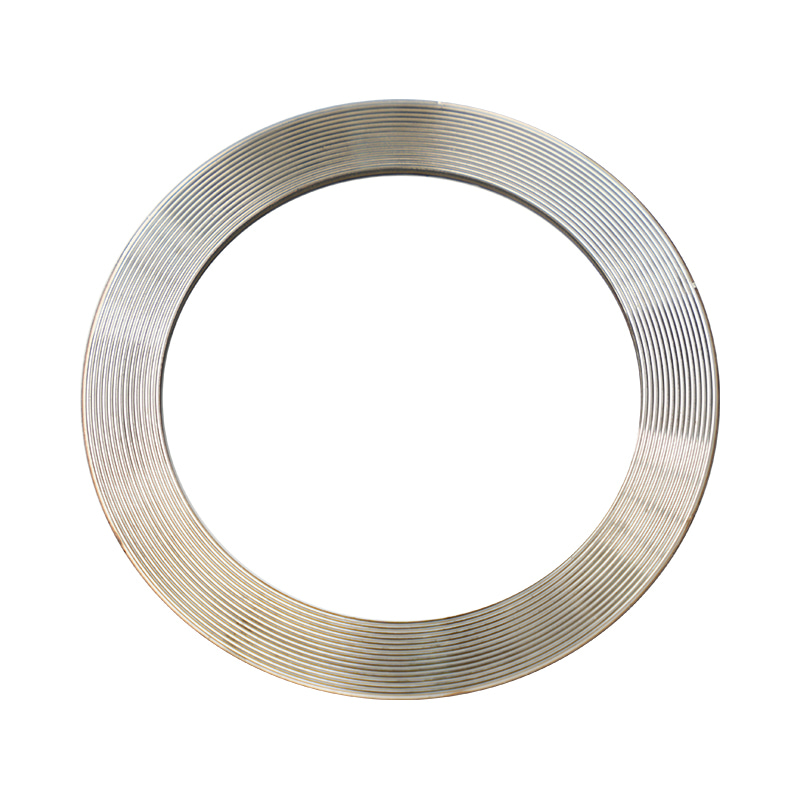
- Elastic Recovery Limitations: If the gasket material lacks sufficient spring-back capability, it cannot compensate for flange movement. The Nofstein brand utilizes advanced materials and manufacturing processes to optimize the elastic recovery of spiral wound and serrated gaskets.
- Prevention Strategy: Utilizing high-specification materials like Grade 316L stainless steel or Inconel, combined with periodic torque auditing, ensures that the industrial gasket failure risk associated with thermal creep is mitigated.
Flange Surface Irregularities and Improper Seating Stress
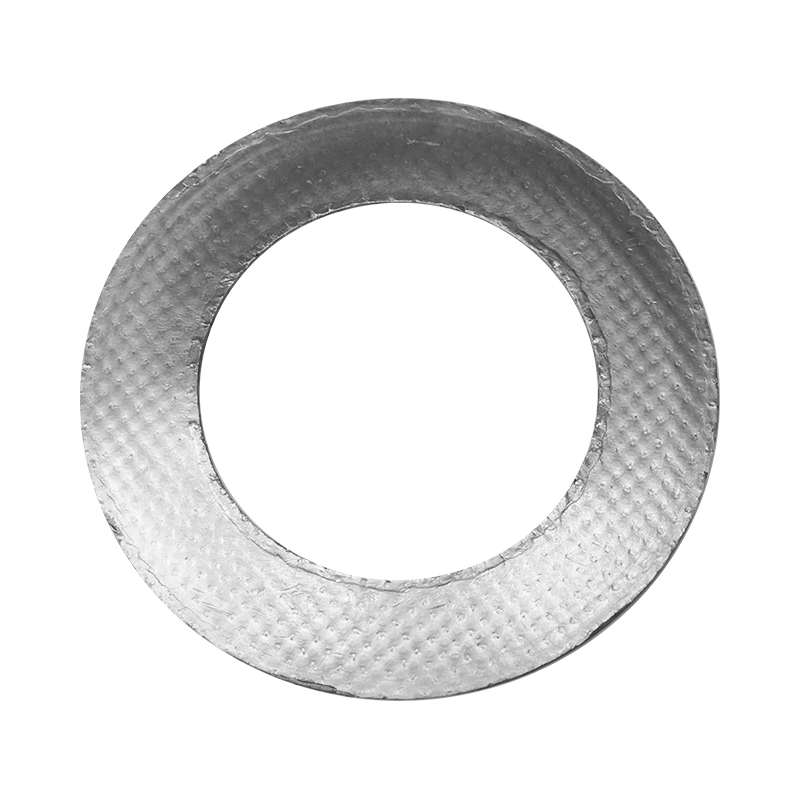
- Interfacial Leakage Paths: Failure often occurs when the metal gasket seal cannot conform to flange surface defects such as "gramophone" scratches or pitting. For a gas-tight seal, the seating stress must be significantly higher than the internal fluid pressure.
- Surface Finish Matching: Industrial standards (such as ASME B16.5) require a specific surface finish (Ra 3.2 to 6.3μm). If the flange is too smooth, the gasket may slip; if too rough, it won't seal micro-voids.
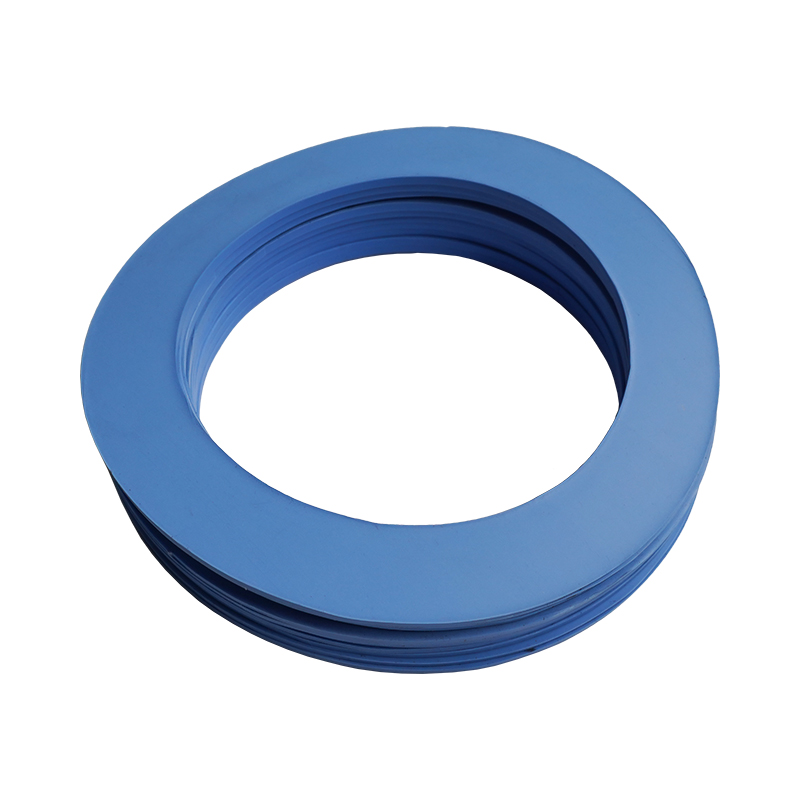
- Nofstein Sealing Solutions: Jiangsu Jintai Sealing Technology Co., Ltd. researches and manufactures specialized rubber-metal composite products designed to achieve high-integrity seals even on slightly irregular flange faces.
Chemical Incompatibility and Galvanic Corrosion
- Electrochemical Degradation: When a metal gasket seal is used with a different metal flange in a conductive fluid, galvanic corrosion can occur, eating away the seal interface. This is a common failure point in shipping and chemical machinery.
- Media Attack: Exposure to aggressive media (such as high-concentration acids or chlorine) can lead to stress corrosion cracking (SCC) in stainless steel gaskets.
- Material Validation: Our products have achieved CCS classification society quality system identification and passed CiT environmental protection tests to ensure material stability across diverse chemistry and power applications.
Technical Parameters for High-Performance Metal Gaskets
| Technical Parameter | Standard Stainless Steel (304) | High-End Nofstein Alloy (Inconel) |
| Max Operating Temperature | 550°C | 850°C - 1000°C |
| Minimum Seating Stress (y) | 70 MPa | 90 - 110 MPa |
| Gasket Factor (m) | 3.00 | 3.75 - 4.25 |
| Corrosion Resistance | General Industrial | Extreme Chemical / Marine |
Manufacturing Excellence and Global Partnership
- Quality Management Systems: Founded in 2004, Jiangsu Jintai Sealing Technology Co., Ltd. possesses sound quality management manuals and monitoring systems, including a dedicated sealing technology industrial park established in 2012.
- Strategic Brand Cooperation: As a comprehensive sealing enterprise, we have cooperated with global brands such as Garlock and Flexitallic, enabling us to integrate world-class technology into our Nofstein sealing solutions.
- Export and Project Capability: With a professional foreign trade group, we export high-standard metal gasket seal products to Eastern Europe, Southeast Asia, and Africa, supporting major projects in the iron, steel, and machinery sectors.
Hardcore Technical FAQ
- What is the "m" and "y" factor in gasket design?: The "y" factor is the minimum design seating stress required to flow the gasket into the flange surface, while the "m" factor is the multiplier needed to maintain the seal against internal pressure.
- Can a metal gasket be reused after maintenance?: No, a metal gasket seal undergoes permanent plastic deformation during the initial bolt-up. Reusing it significantly increases the risk of catastrophic blowout.
- How does the "Nofstein" design improve performance?: We adopt advanced materials and manufacturing processes to develop new sealing designs that adapt to changing market needs and improve product recovery rates.
- What is the benefit of asbestos-free gaskets in pneumatic systems?: Environment-friendly asbestos-free gaskets provide excellent thermal stability without the health hazards, meeting modern safety and environmental standards.
- Does the CCS identification apply to all marine seals?: Our CCS classification society identification confirms that our manufacturing and QC processes meet the rigorous safety standards required for the shipping and offshore industries.
Technical References
- ASME B16.20: Metallic Gaskets for Pipe Flanges: Ring-Joint, Spiral-Wound, and Jacketed.
- EN 1591-1: Flanges and their joints - Design rules for gasketed circular flange connections.
- VDI 2200: Tightness of flange connections - Selection, calculation, design and assembly of bolted flange connections.

 Home
Home +86 152 4020 4398
 zdjt004@jsjtmf.vip
 No.2 Xingyuan East Road, Yuanzhu Town Industrial Park, Taixing City, Jiangsu Province, China
Copyright © 2024. Jiangsu Jintai Sealing Technology Co., Ltd. All rights reserved. Custom Sealing Gaskets, Sealing Packing, Rubber Products
