


 Eng
Eng 
 русский
 Home / News / Industry News / Metal Gasket Ring vs. Spiral Wound Gasket: Which Offers the Best ROI for Long-Term Refinery Maintenance?
 Metal Gasket Ring vs. Spiral Wound Gasket: Which Offers the Best ROI for Long-Term Refinery Maintenance?
 2026.03.19
 Industry News
Article Directory
- 1 1. Structural Integrity and High-Pressure Performance
- 2 2. Maintenance Lifecycle and ROI Analysis
- 3 3. Application-Specific Engineering Standards
- 4 Conclusion: Determining the Best Seal for Your Refinery
- 4.1 Frequently Asked Questions (FAQ)
- 4.1.1 1. Can a metal gasket ring be reused after inspection?
- 4.1.2 2. When should I choose a spiral wound gasket over a metal ring?
- 4.1.3 3. What are the best metal gasket ring for corrosive environments?
- 4.1.4 4. How to install metal gasket rings correctly to prevent leaks?
- 4.1.5 5. Do Jintai Sealing products meet international environmental standards?
- 4.2 Industry References
- 4.1 Frequently Asked Questions (FAQ)
In the high-pressure, high-temperature environment of modern oil refineries, the integrity of a flange connection is not merely a maintenance concern—it is a critical safety and financial imperative. Selecting between a metal gasket ring (such as a Ring Type Joint or RTJ) and a Spiral Wound Gasket (SWG) requires an engineering-grade analysis of total cost of ownership. Jiangsu Jintai Sealing Technology Co., Ltd., founded in 2004 in Taixing, has spent over two decades perfecting high-end sealing solutions under our premier brand, Nofstein. Our expertise in manufacturing metal gasket rings and environment-friendly gaskets has earned us CCS classification society identification and a global reputation for excellence. For refinery engineers, the goal is to maximize the interval between turnarounds. This guide explores the ROI of metal gasket rings vs spiral wound gaskets to determine the most effective long-term sealing strategy.
1. Structural Integrity and High-Pressure Performance
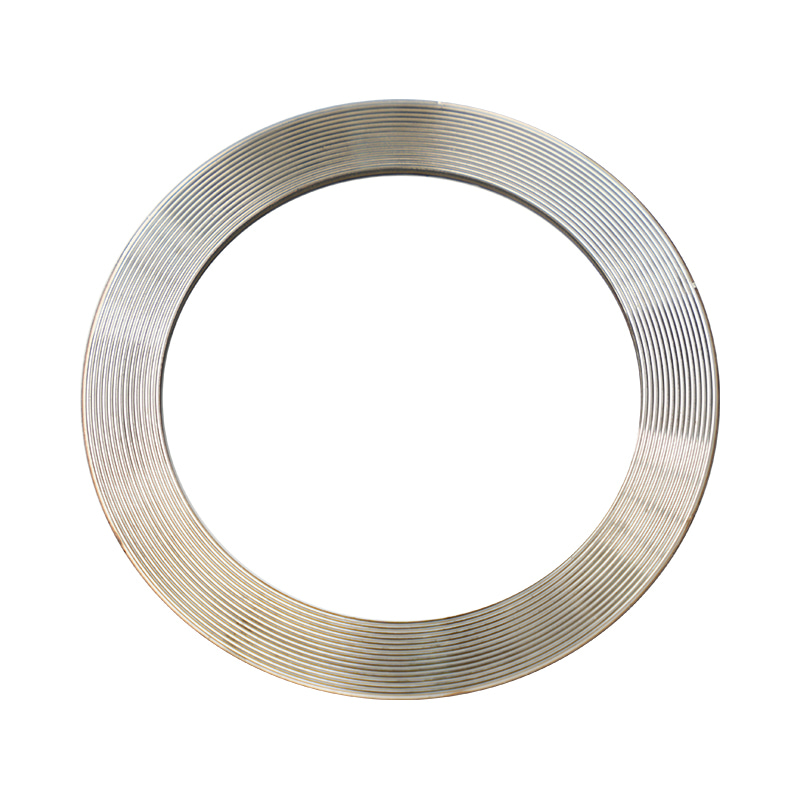
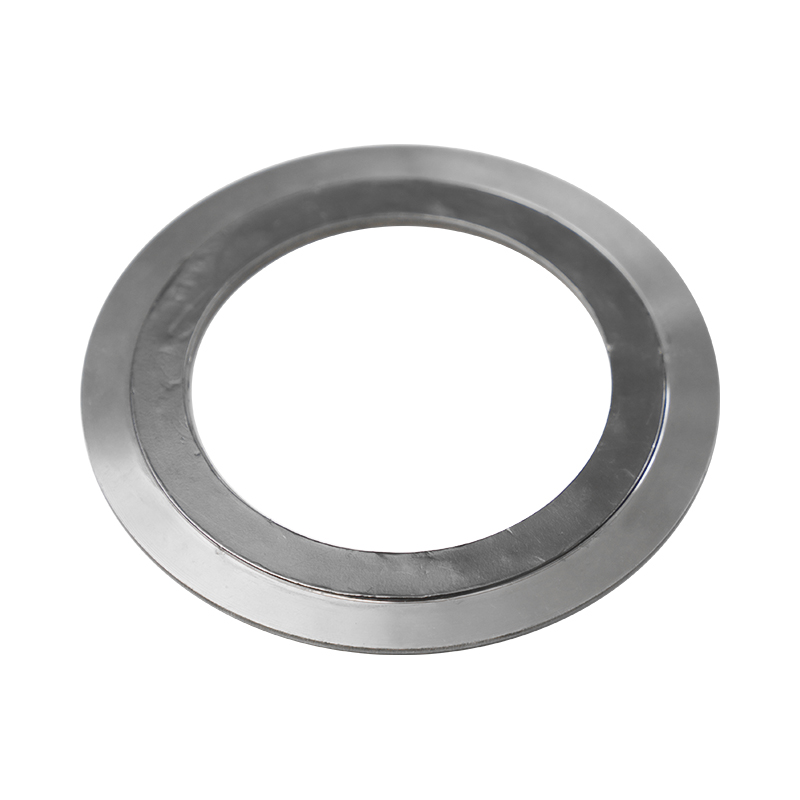
The metal gasket ring, specifically designed for high-pressure piping systems, relies on a metal-to-metal interference fit. This design is fundamentally different from the semi-metallic construction of an SWG. When comparing metal gasket ring vs spiral wound gasket, the solid metal ring excels in extreme pressures exceeding 10,000 PSI, whereas the SWG is favored for its "recovery" properties under fluctuating temperatures. However, for permanent refinery infrastructure, the high pressure metal gasket ring benefits include superior resistance to blowout and chemical erosion. Understanding how to choose metal gasket rings for refineries involves evaluating the flange groove geometry, as the solid metal gasket ring requires higher bolt loads to achieve plastic deformation and a gas-tight seal.
Technical Performance Comparison
- Metal Gasket Ring (RTJ): Solid cross-section (Oval or Octagonal); ideal for API 6A and ASME B16.5 high-pressure flanges.
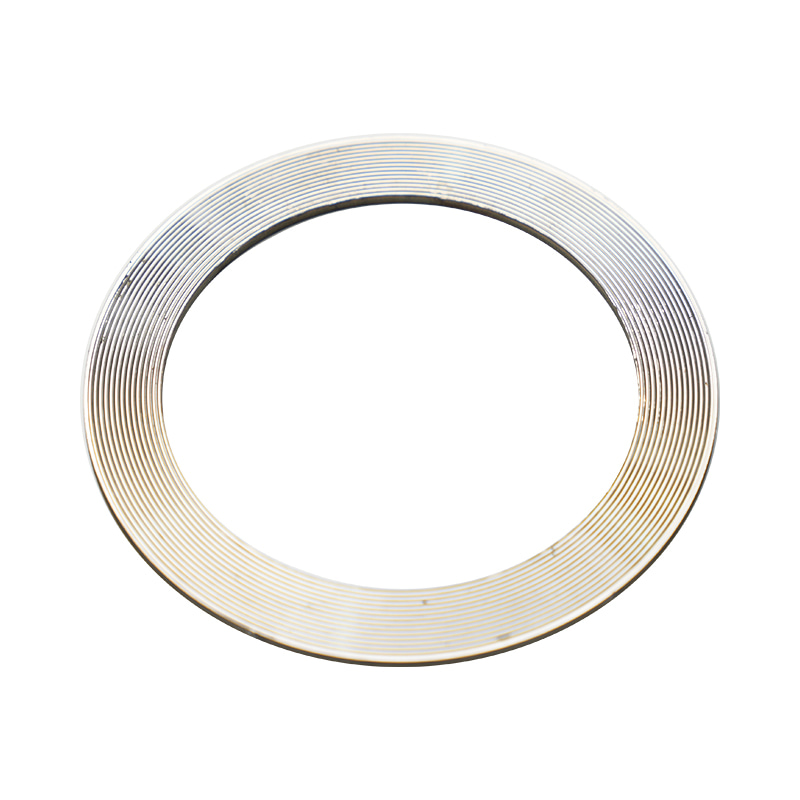
- Spiral Wound Gasket: V-shaped metallic strip alternated with a soft filler (Graphite/PTFE); excellent for cyclic thermal loads.
| Parameter | Metal Gasket Ring (RTJ) | Spiral Wound Gasket (SWG) |
| Pressure Rating | Extremely High (Up to Class 2500+) | Medium to High (Up to Class 1500) |
| Sealing Mechanism | Metal-to-Metal Interference | Compression of Filler Material |
| Reusability | Generally No (Deforms upon seating) | Strictly No |
| Thermal Cycle Recovery | Low (Rigid structure) | High (Resilient spring action) |
2. Maintenance Lifecycle and ROI Analysis
ROI in a refinery is not just about the initial purchase price; it is defined by the metal gasket ring durability for refineries and the prevention of unscheduled downtime. While the spiral wound gasket price vs metal ring usually favors the SWG for standard utility lines, the solid metal gasket ring often provides a better ROI in corrosive hydrogen or hydrocracking units. Reducing refinery downtime with metal gaskets is achieved because solid rings do not suffer from "unwinding" or filler washout—common failure modes in inferior SWGs. At Jintai Sealing, our Nofstein brand utilizes advanced metal gasket ring materials like 316L, Monel, or Inconel to ensure the best metal gasket ring for corrosive environments. By investing in a metal gasket ring during planned maintenance, engineers can avoid the catastrophic costs of a leak-related shutdown.
ROI Sequence for Long-term Maintenance
- Installation Accuracy: Precision machining of the metal gasket ring reduces the risk of initial seal failure.
- Operating Stability: Solid rings maintain integrity despite high-velocity flow and vibration.
- Turnaround Efficiency: Easier inspection of flange grooves during disassembly when using RTJs.
- Material Longevity: Corrosion resistant metal gasket rings extend the mean time between failures (MTBF).
| Cost Factor | Spiral Wound Gasket | Metal Gasket Ring (RTJ) |
| Initial Unit Cost | Lower | Higher |
| Installation Complexity | Low | Moderate (Requires precise alignment) |
| Downtime Risk | Moderate (Potential filler washout) | Very Low (Structural Blowout-proof) |
| Total 5-Year ROI | Good (Standard lines) | Excellent (Critical/High-pressure lines) |
3. Application-Specific Engineering Standards
For specialized pneumatic and hydraulic systems, the Nofstein series offers custom metal gasket ring designs that meet CCS and CiT environmental protection standards. When comparing RTJ vs SWG for oil and gas, engineers must prioritize the ASME B16.20 metal gasket ring standards. Improperly specified gaskets lead to flange face damage, which is significantly more expensive to repair than the cost of a premium seal. Our professional foreign trade group at Jintai Sealing provides expertise on how to install metal gasket rings correctly, ensuring that bolt torque values are calculated based on the specific yield strength of the ring material. This engineering-first approach makes Jintai a preferred partner for major projects in Eastern Europe, Southeast Asia, and Africa.
Conclusion: Determining the Best Seal for Your Refinery
While the spiral wound gasket remains a versatile workhorse for general refinery use, the metal gasket ring stands as the superior choice for high-pressure, critical-path maintenance where ROI is measured in years of leak-free service. By selecting Nofstein brand products from Jiangsu Jintai Sealing Technology Co., Ltd., you are choosing a legacy of innovation, sound quality management, and verified high-performance sealing technology. For critical refinery maintenance, the solid metal ring remains the gold standard for durability and safety.
Frequently Asked Questions (FAQ)
1. Can a metal gasket ring be reused after inspection?
Generally, no. A metal gasket ring is designed to undergo plastic deformation to seal the flange groove. Reusing a deformed ring can lead to leakage and damage to the expensive flange faces.
2. When should I choose a spiral wound gasket over a metal ring?
SWGs are better for applications with frequent thermal cycling or lower pressure classes (Class 150 to 600) where the flange does not have a specialized RTJ groove.
3. What are the best metal gasket ring for corrosive environments?
Materials such as Alloy 400 (Monel), Alloy 625, or Alloy 825 are recommended. Our Nofstein brand specializes in these high-nickel alloys to ensure chemical resistance in refinery service.
4. How to install metal gasket rings correctly to prevent leaks?
Ensure the flange grooves are perfectly clean and free of scratches. Use a calibrated torque wrench and follow a star-pattern tightening sequence to ensure even compression of the ring into the groove.
5. Do Jintai Sealing products meet international environmental standards?
Yes. Our gaskets have passed the CiT test for environmental protection and comply with high-end sealing requirements across the shipping, power, and chemical industries.
Industry References
- ASME B16.20: Metallic Gaskets for Pipe Flanges—Ring-Joint, Spiral-Wound, and Jacketed.
- API Standard 6A: Specification for Wellhead and Christmas Tree Equipment.
- CCS (China Classification Society): Quality System Identification for Marine Sealing.
- Jintai Sealing Technical Lab: "Comparative Deformation Analysis of Nofstein RTJ Series" (2025).

 Home
Home +86 152 4020 4398
 zdjt004@jsjtmf.vip
 No.2 Xingyuan East Road, Yuanzhu Town Industrial Park, Taixing City, Jiangsu Province, China
Copyright © 2024. Jiangsu Jintai Sealing Technology Co., Ltd. All rights reserved. Custom Sealing Gaskets, Sealing Packing, Rubber Products
