


 Eng
Eng 
 русский


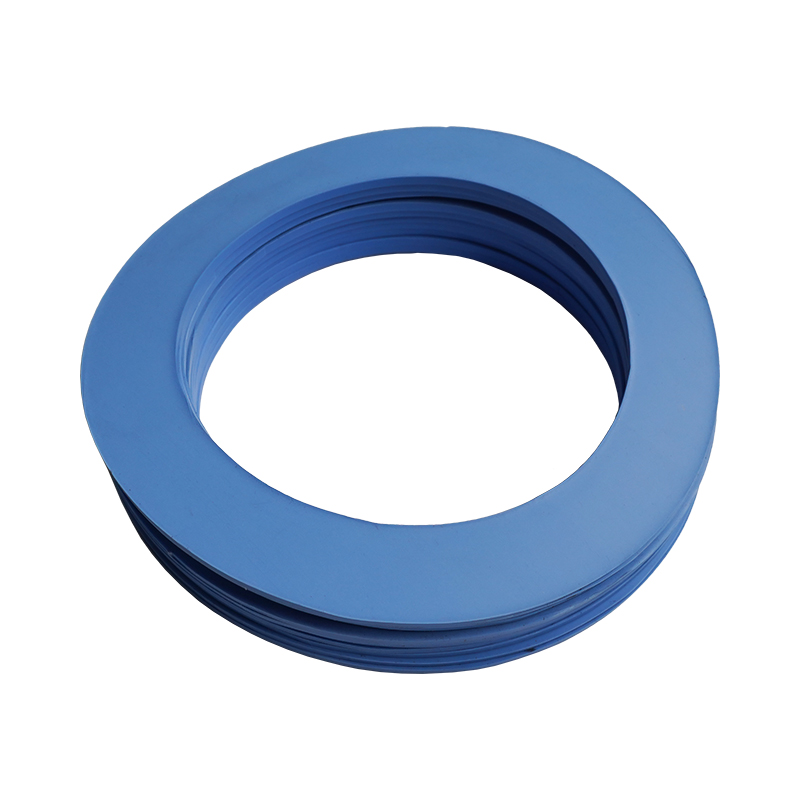
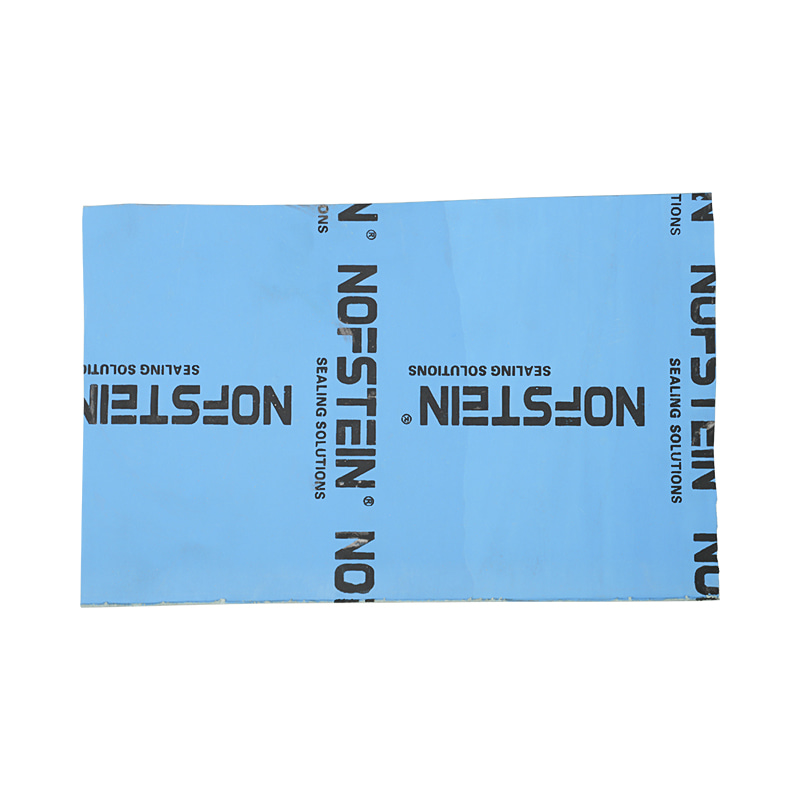
In the demanding landscape of modern engineering, the integrity of a metal gasket seal is paramount to the safety and efficiency of high-pressure syst...
READ MORECATEGORIES
Custom Seals, Gaskets, Rubber Material, Parts Insulation Materials
Seals, Gaskets, Rubber Materials, Parts Insulation Materials are widely used in multiple industries such as automobiles, machinery, electronics and construction. These products can effectively prevent leakage, reduce friction and vibration, and provide excellent resistance to high temperature, corrosion and wear. Our seals and gaskets are made of advanced rubber materials to ensure long-term reliable sealing effects and are suitable for various equipment and environments. The flexibility and elasticity of rubber materials make them highly adaptable in the manufacturing process, and the shapes and specifications can be customized according to different needs.
-
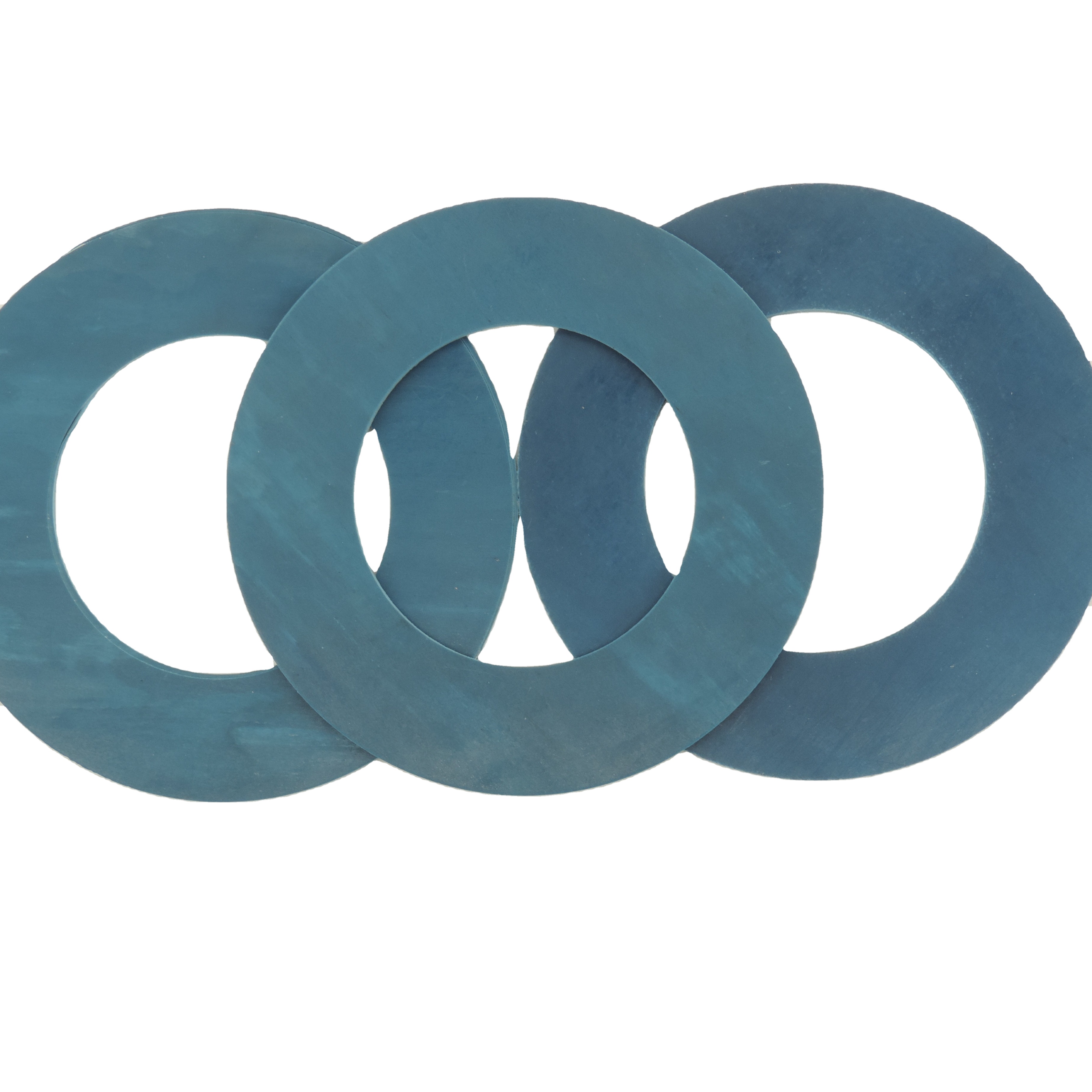
7900/7925/7950 Blue Compressed Aramid Fiber/Nitrile Binder Flange Gasket
Parameters:
Advantage: 1. Good sealing performance greatly reduces users’ production costs. 2. The multifunction...read more -
Expanded PTFE Gasket Material For Flanges

Parameters:
Advantage: 1. Compressibility rate exceeds 60% 2. It can exert tight sealing performance in cast val...read more -
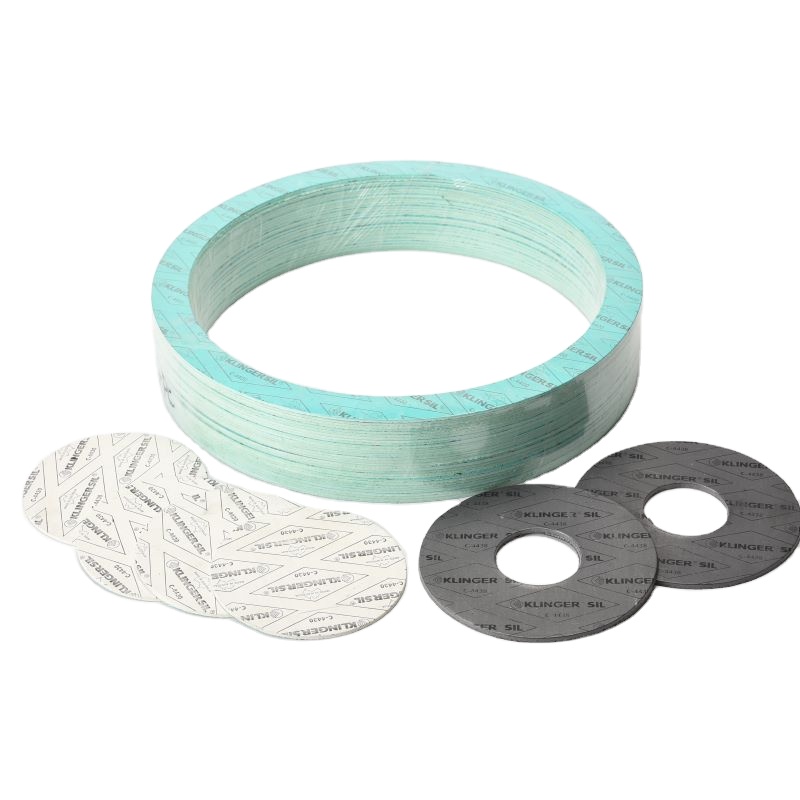
9900/9900N Improved Non Asbestos Filled PTFE Sheet Gasket Material
Parameters:
Element: JINTAl 9900 is evenly mixed with various shapes of inorganic fillers in pure PTFE resin wit...read more -
White -270℃-315℃ Non Metallic Expanded PTFE Ring Gasket
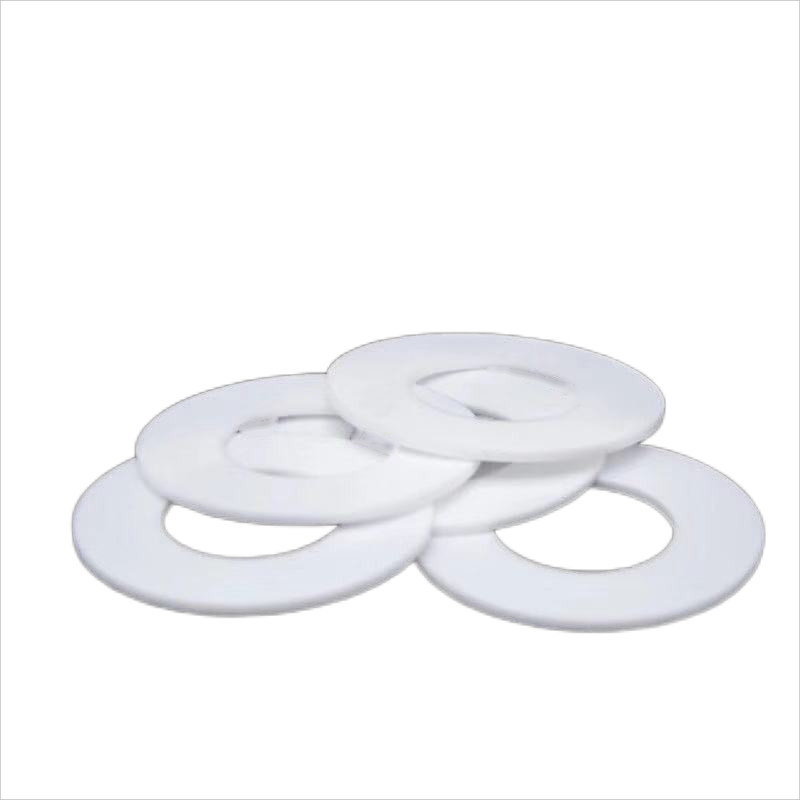
Parameters:
Color White Applicable temperature range -270℃-315℃ Pressure, max. 200bar Dens...read more -
Flexible Graphite Composite Material Reinforced Gasket Flange Gasket
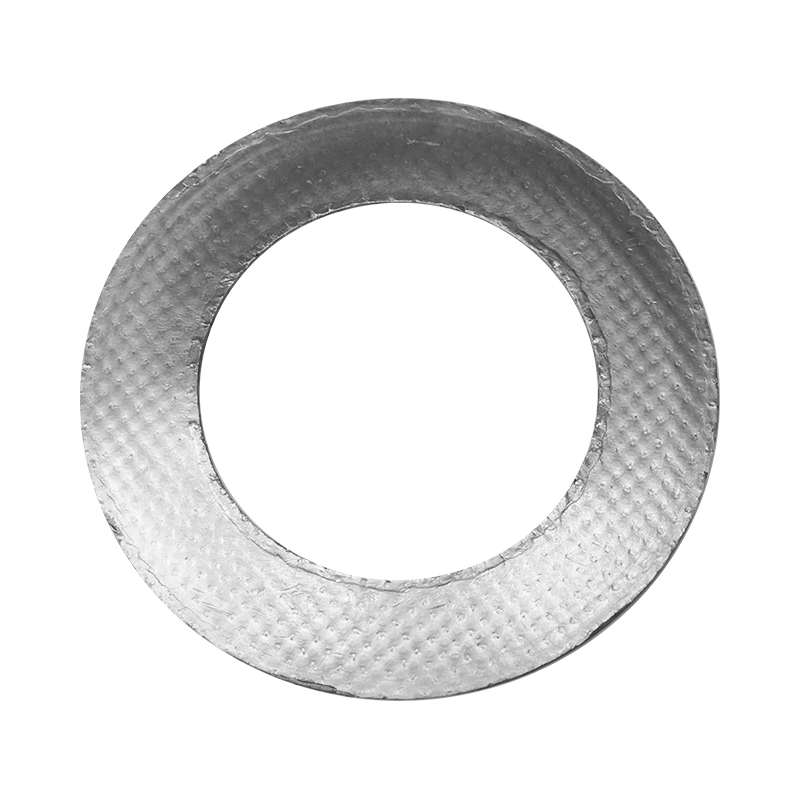
Parameters:
Model Inner core metal material Model Inner Core Jinmin Materials JIINTAI 5600 SS304...read more -
High Temperature Flexible Self Sealing Graphite Gasket With Corrosion
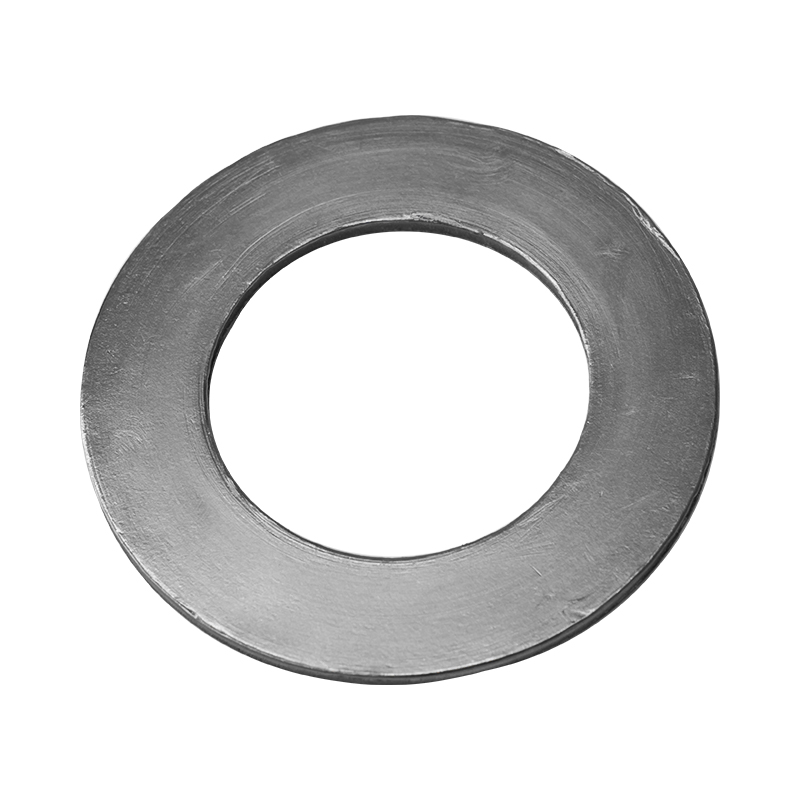
Parameters:
Temperature -4℃-+3000℃ Pressure 2Mpa(Rotary pump) PH Value 0-14 Line speed 2...read more
About Us
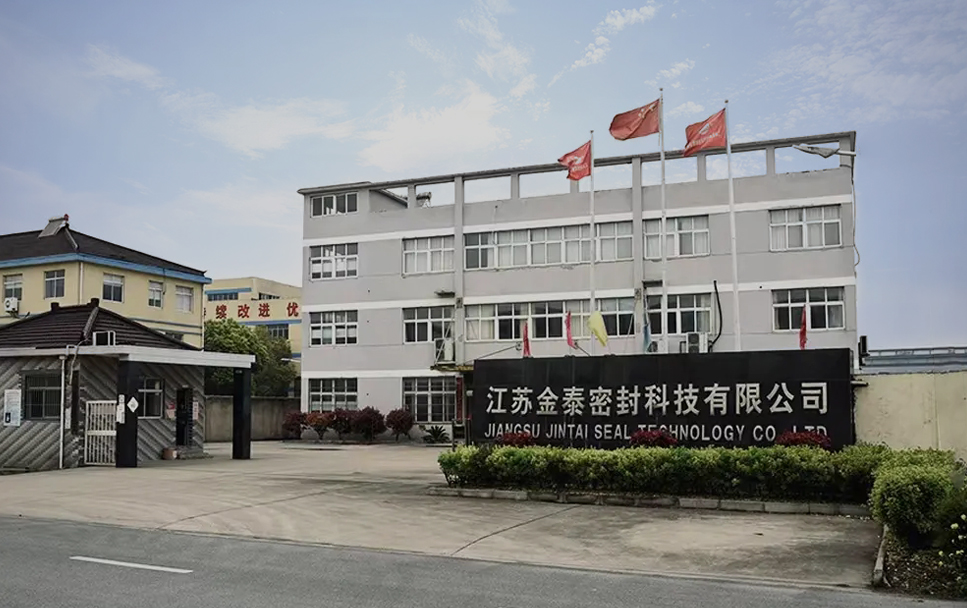
Jiangsu Jintai Sealing Technology Co., Ltd.
Jiangsu Jintai Sealing Technology Co., Ltd. is
China Seals, Gaskets, Rubber Material, Parts Insulation Materials Suppliers and
Custom Seals, Gaskets, Rubber Material, Parts Insulation Materials Exporters. We are a large comprehensive
ODM/OEM Seals, Gaskets, Rubber Material, Parts Insulation Materials sealing technology enterprise, we specialize in researching, manufacturing and selling various types of seals, environment-friendly asbestos-free gaskets, specialized rubber material products and parts insulation materials for pneumatic and hydraulic systems. Moreover, we have formed a complete set with many industries such as shipping, power, iron and steel, chemistry, and machinery for many successive years.
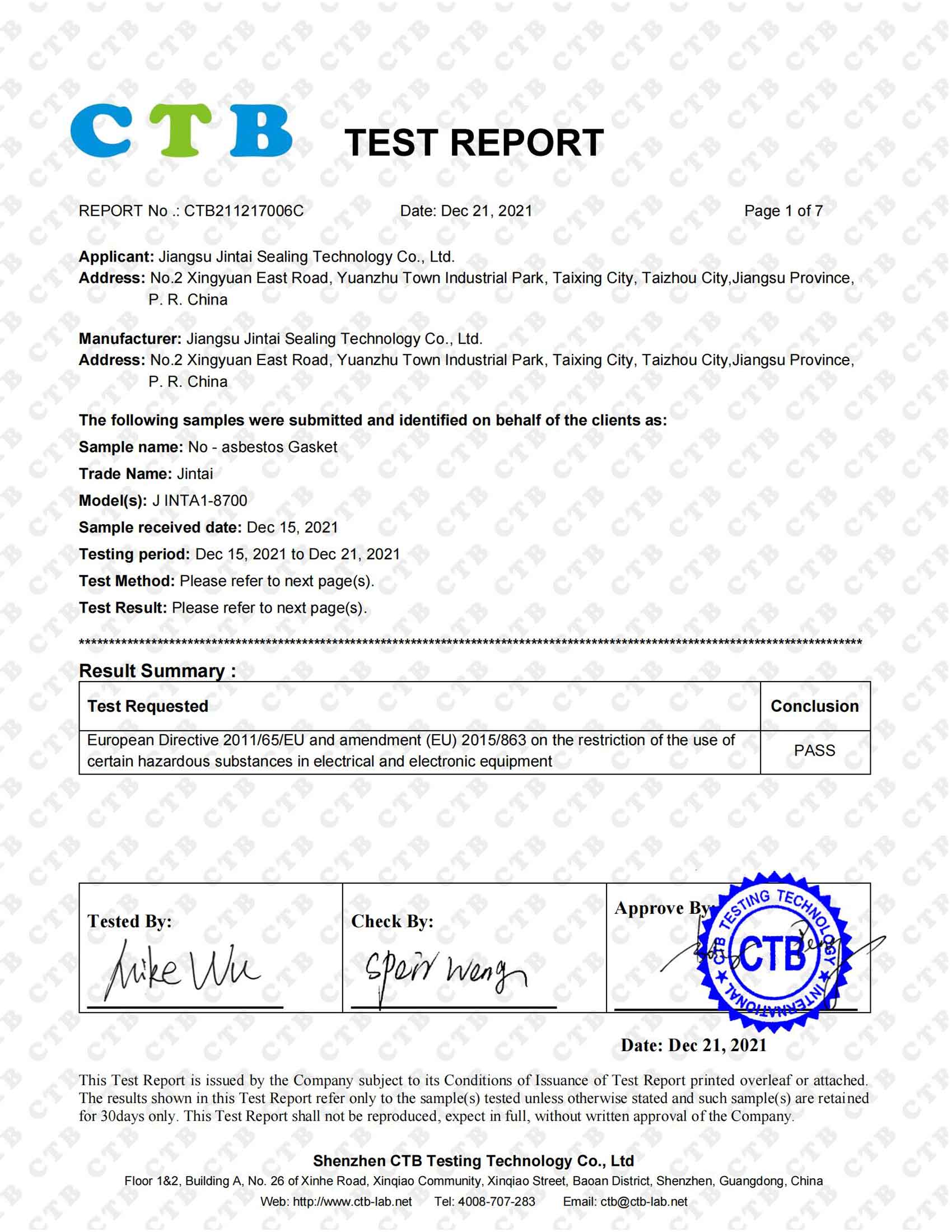
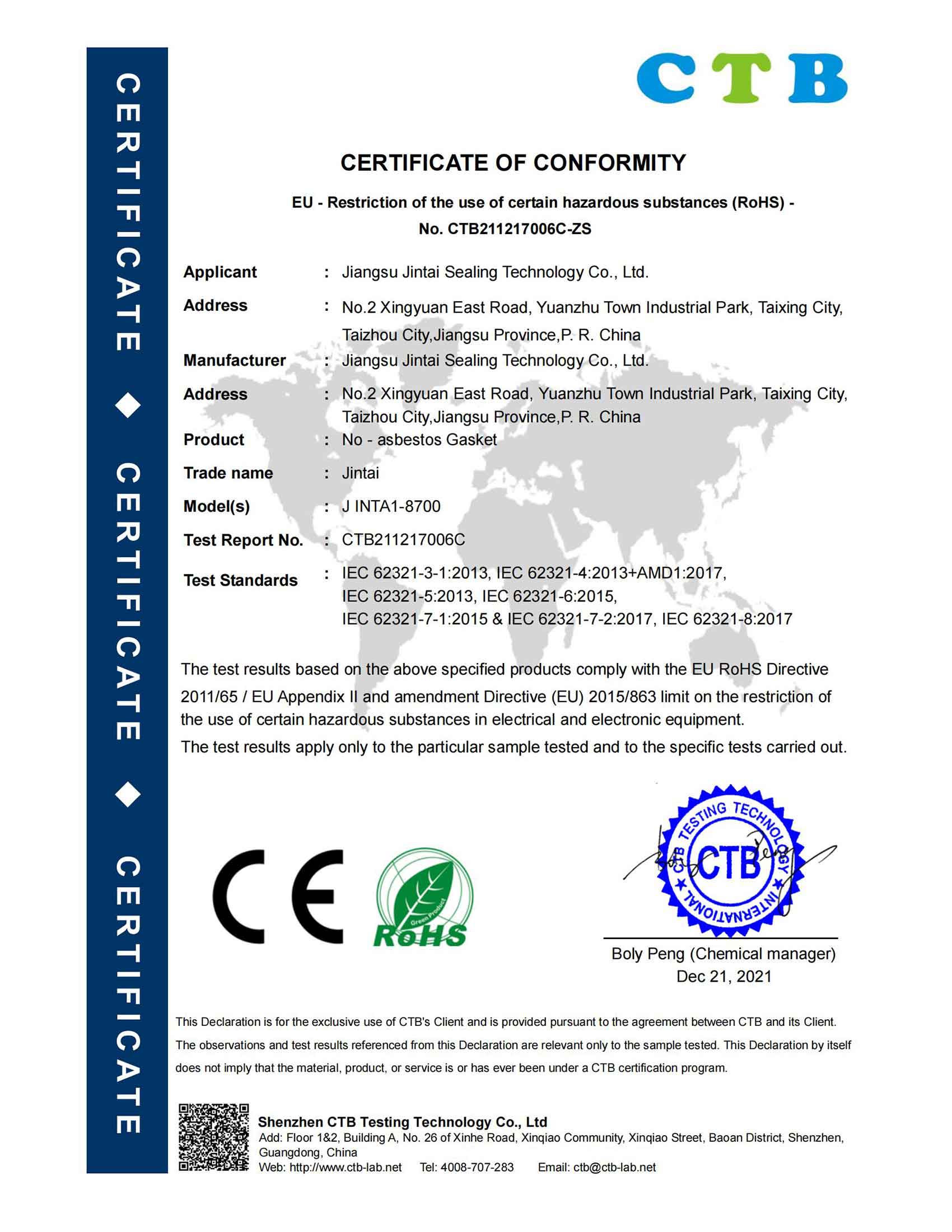
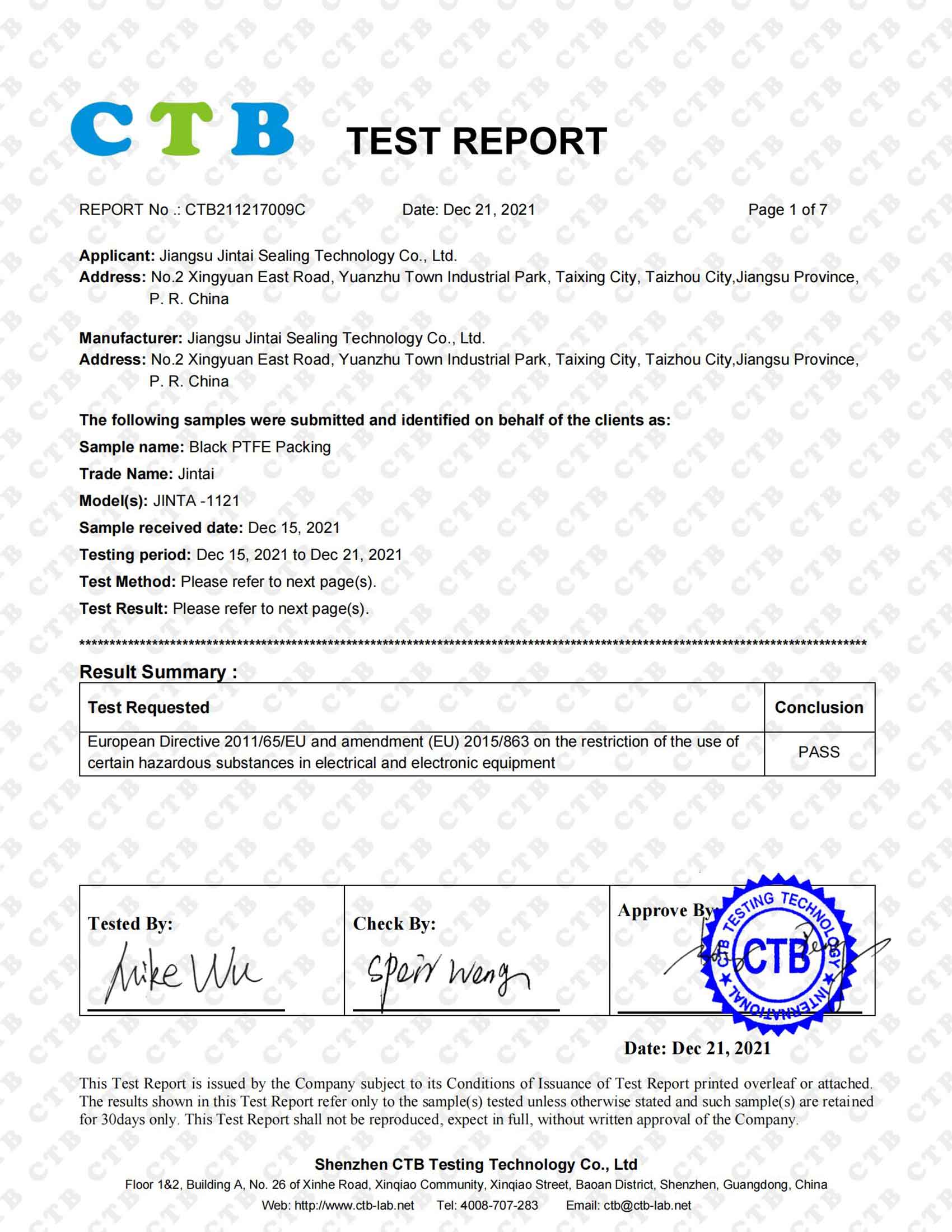
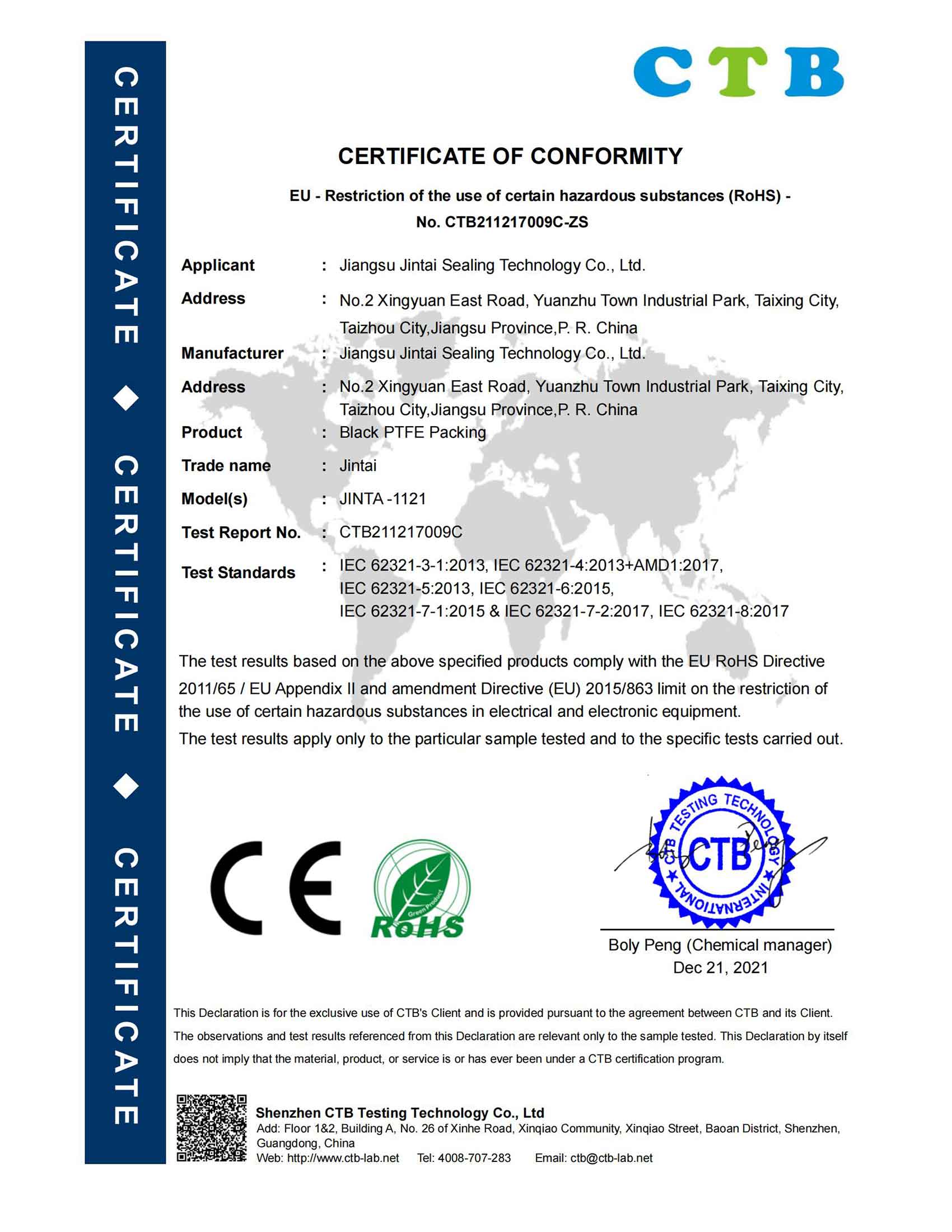
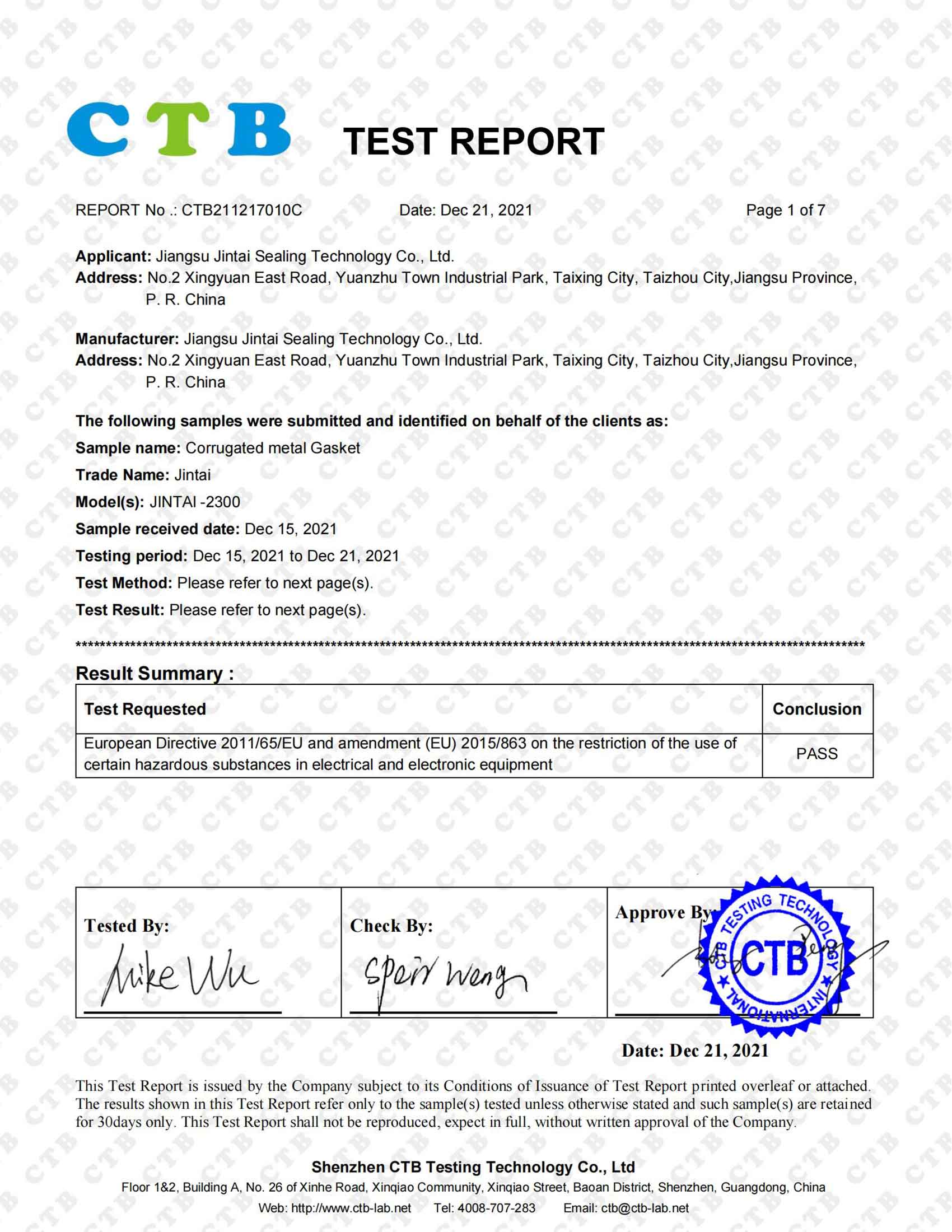
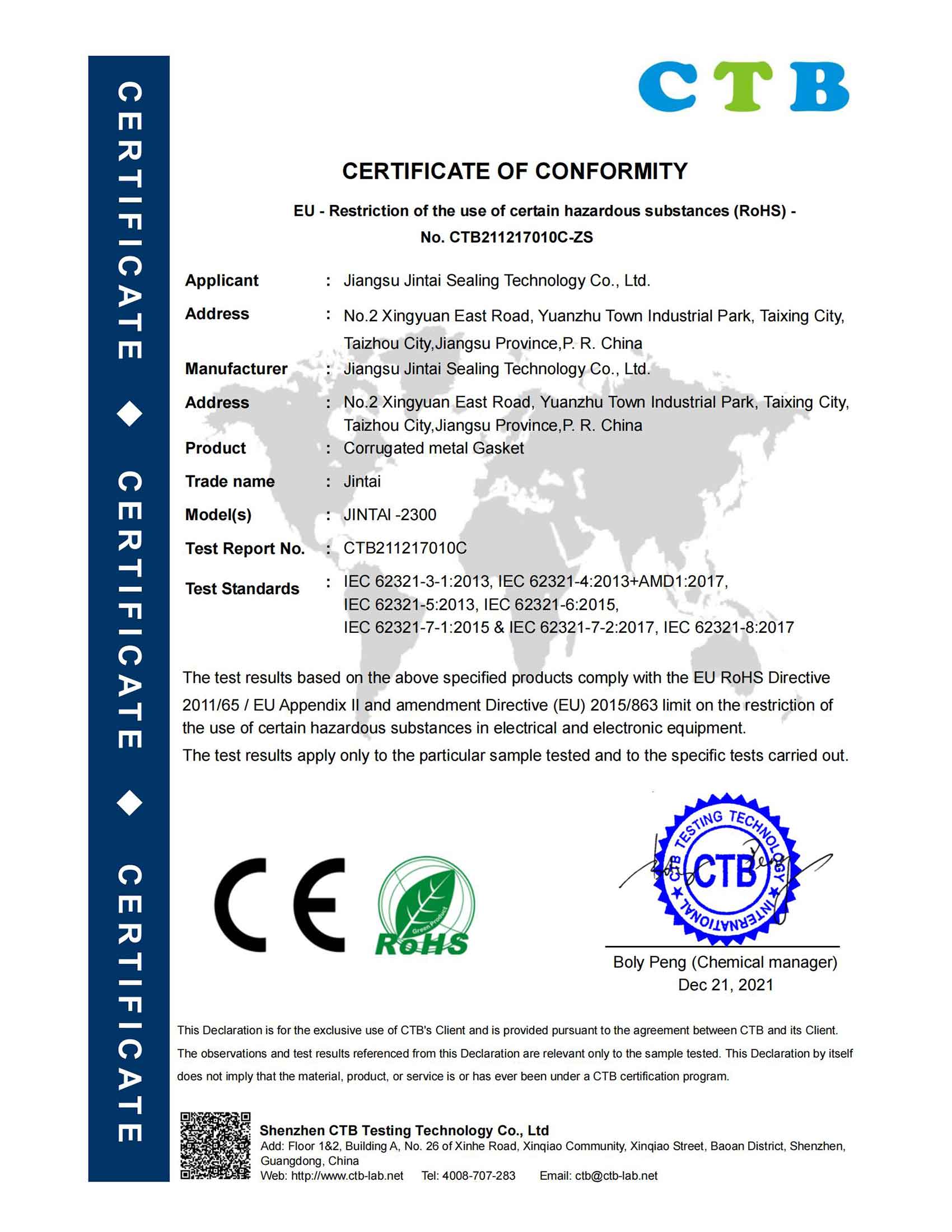
Certificate Of Honor
News
-
-
In the high-pressure, high-temperature environment of modern oil refineries, the integrity of a flange connection is not merely a maintenance concern—...
READ MORE -
In the demanding environments of power generation, steel manufacturing, and chemical processing, valve stem leakage is more than a maintenance headach...
READ MORE -
In the demanding environments of the chemical, petrochemical, and power industries, selecting the appropriate sealing component is critical for preven...
READ MORE -
In high-pressure and high-temperature environments, the mechanical performance of a metal gasket ring is the definitive factor in preventing catastrop...
READ MORE
Seals, Gaskets Industry knowledge
In which industrial fields are seals most widely used? What specific performance requirements do different industries have for seals?
Seals are widely used in many industrial fields. The following are some of the main application fields and their specific performance requirements:
Main application fields
Automotive field
Seals are widely used in the automotive industry, covering almost every key part of the car, such as the engine, gearbox, brake system, cooling system, car doors, windows, etc. Their main function is to prevent the leakage of fluids such as oil, water, and gas to ensure the normal operation and safety of the car.
Mechanical manufacturing industry
In mechanical manufacturing, seals are used in various mechanical equipment, such as pumps, valves, compressors, hydraulic cylinders, pneumatic cylinders, etc., to prevent the leakage of working media (such as oil, water, gas, etc.) and ensure the efficient and stable operation of the equipment.
Petrochemical industry
Pipelines, storage tanks, reactors and other equipment in the petrochemical industry often need to withstand harsh conditions such as high pressure, high temperature, and corrosive media. Therefore, the performance requirements of seals are extremely high to ensure the safe operation of the equipment and prevent environmental pollution caused by media leakage.
Aerospace industry
In the field of aerospace, the application of seals is also crucial. Since aerospace equipment needs to operate in extreme environments (such as high altitude, low temperature, high speed, etc.), seals need to have extremely high reliability, high temperature resistance, low temperature resistance, radiation resistance and other characteristics.
Medical equipment
The seals in medical equipment are mainly used to prevent the leakage of liquid medicine, gas, etc. to ensure the safety and effectiveness of medical equipment. These seals usually need to have non-toxic, odorless, corrosion-resistant, aging-resistant and other characteristics.
Construction field
In the construction industry, seals are mainly used for sealing doors, windows, curtain walls, roofs and other parts to prevent the intrusion of external factors such as wind, rain, noise, etc., and improve the comfort and energy saving of buildings.
Specific performance requirements
Corrosion resistance: In the chemical, petroleum and other industries, seals need to be in contact with corrosive media for a long time, so they must have excellent corrosion resistance.
High temperature resistance: Equipment working in high temperature environments (such as engines, boilers, etc.) requires seals to withstand high temperatures without failure.
Low temperature resistance: Equipment working in low temperature environments (such as aerospace equipment) requires seals to maintain elasticity and sealing performance at low temperatures.
Wear resistance: In situations where frequent movement or friction is required (such as bearings, pistons, etc.), seals need to have good wear resistance to extend their service life.
Pressure resistance: Equipment working in high-pressure environments (such as hydraulic pumps, pressure vessels, etc.) requires seals to withstand high pressure without leakage.
Sealing: All seals need to have excellent sealing performance to prevent leakage of the working medium. This usually requires good fit and sealing force between the seal and the sealing surface.
Elasticity: Good elasticity ensures that the seal can adapt to different shape and size changes during installation and use, thereby maintaining a stable sealing effect.
Aging resistance: Seals used for a long time need to have good aging resistance to resist erosion by environmental factors such as ultraviolet rays and ozone.

 Home
Home +86 152 4020 4398
 zdjt004@jsjtmf.vip
 No.2 Xingyuan East Road, Yuanzhu Town Industrial Park, Taixing City, Jiangsu Province, China
Copyright © 2024. Jiangsu Jintai Sealing Technology Co., Ltd. All rights reserved. Custom ODM/OEM Seals, Gaskets, Rubber Material, Parts Insulation Materials
